8 Myths About Hearing Loss

Key Takeaways
- Hearing loss is more common than most people realize, affecting millions of Americans of all ages, not just seniors.
- Many people don’t notice hearing loss right away because it develops slowly and gradually over time.
- Hearing loss affects more than just your hearing. It can impact your relationships, safety, and overall quality of life.
- It is never too late to seek help. Hearing aids, caption phones, and other assistive devices can make a real difference at any stage.
- Talking to a hearing care professional is the best first step toward better hearing health.
Did you know that hearing loss affects one in three people between the ages of 65 and 74, and nearly half of people over the age of 751? Although many adults accept hearing loss as an unavoidable side effect of aging, few recognize how prevalent the condition is, and fewer realize how many treatments are available.
The truth is, many common beliefs about hearing loss simply aren’t rooted in reality. Far from being harmless, these misconceptions can keep you from taking the steps needed to improve your quality of life.
In this article, we’ll explore the realities of hearing loss and debunk some of the most persistent hearing loss myths to help you make informed decisions about your hearing health.
Hearing Loss Myths Debunked: What Seniors Need to Know
Hearing loss is common as people age, but it doesn’t only affect seniors. Although many people assume age is the only factor, your hearing loss may actually be the result of exposure to loud noises, family history, underlying health conditions, or even some medications.
However, since myths about hearing loss are so common, seniors often delay treatment or miss out on helpful solutions. By addressing these beliefs, we hope to clear the confusion and help seniors live more fulfilling and independent lives.
Understanding Hearing Loss Before We Bust the Myths
Before we dive into the myths, it’s essential to understand what hearing loss is and how it affects people. Hearing loss occurs when there’s a problem in one or more parts of the ear or certain parts of the brain. The two main types of hearing loss are sensorineural (damage to the inner ear or auditory nerve) and conductive (problems in the outer or middle ear).
Age-related hearing loss, or presbycusis, is a gradual process that affects as many as one in three seniors in the U.S. The condition often goes unnoticed initially as certain sounds become quieter, but it tends to worsen if left untreated.
Below, we’ll unravel some of the myths about hearing loss that often prevent people from seeking help.
Myth #1: “Hearing loss only affects the elderly”

One of the most common myths about hearing loss is that it only affects older adults. While age-related hearing loss is more common in seniors, hearing loss statistics tell a different story. In fact, an estimated two or three out of every 1,000 children2 and about 15% of Americans over 183 experience some degree of hearing loss.
Hearing loss can also occur due to factors like noise exposure, illness, or injury, which can affect people of all ages. Young adults and even teenagers may develop noise-induced hearing loss due to prolonged exposure to loud sounds.
This means everyone, not just seniors, should be aware of their hearing health. Research also suggests that seniors shouldn’t ignore the early stages of hearing loss as simply “part of aging.”
Myth #2: “If I had serious hearing loss, I would know”
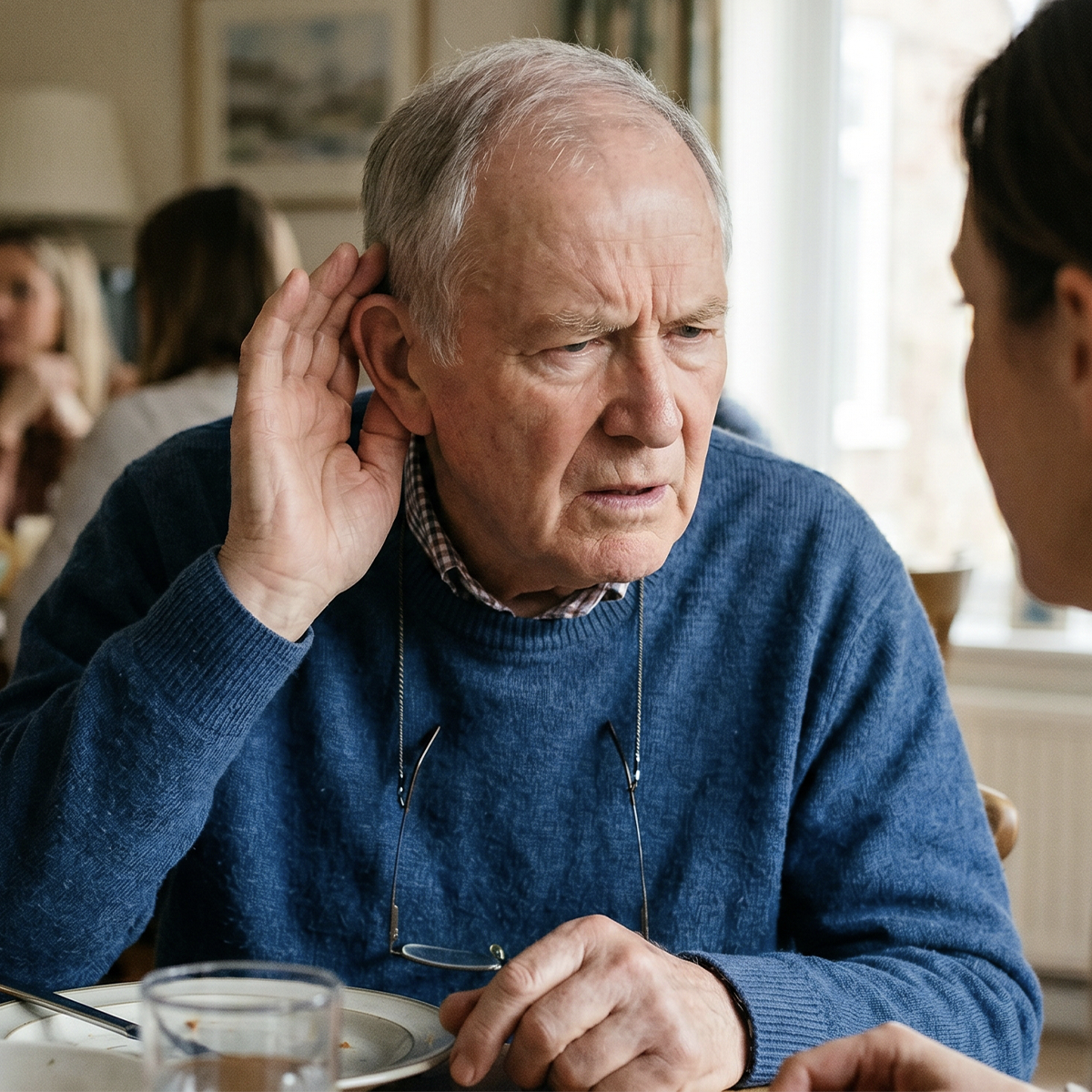
Hearing loss tends to develop slowly over time, making it difficult to recognize. In many cases, individuals simply don’t realize they’re missing certain sounds, especially in noisy environments.
This is why seniors should watch for subtle signs of hearing loss. Common symptoms include having trouble understanding people (particularly in group settings), asking others to repeat themselves, and difficulty hearing phone conversations, among others. If you’re struggling with these situations, it may be time to have your hearing tested.
Myth #3: “Hearing loss is just a normal part of aging, and nothing can be done about it”
While age-related hearing loss is common, you don’t need to endure it in silence. Hearing aids, cochlear implants, and other assistive devices can significantly improve your ability to hear and communicate. Technologies like caption phones can also help individuals who experience difficulty understanding speech over the phone. In fact, with early intervention, many people can lead independent and fulfilling lives despite being hard of hearing.
Myth #4: “Hearing aids will restore my hearing completely”
Many seniors believe that hearing aids will completely restore their hearing to normal levels. Hearing aids simply amplify sound; they don’t cure hearing loss or prevent further hearing decline. As with any medical condition, the best cure is prevention. Taking steps to protect your ears is the best way to avoid further hearing loss.
Myth #5: “I can still hear, I just can’t understand people”

This is one of the more common hearing loss myths! It’s not unusual for people with hearing loss to feel like they can still hear fine but still struggle to understand speech. This is because many seniors lose the ability to hear high-frequency sounds common in speech, making words beginning with soft consonants like s, f, and h sound muffled. High-frequency hearing loss often goes unnoticed since you can still hear background noises like music or traffic.
Myth #6: “Hearing loss only affects my hearing”
An uncomfortable hearing loss fact is that it affects more than just your hearing. Hearing loss doesn’t only affect you, but your friends and loved ones as well. When people need to constantly repeat themselves to be understood, they can become frustrated and withdraw from future interactions. This situation is a common cause of seniors feeling socially isolated.
Additionally, hearing loss can cause seniors to miss expected audio cues, like warnings or instructions. Missing important information can put you in situations that are dangerous to yourself or others.
Myth #7: “It’s too late to do anything about my hearing loss”
Don’t be fooled by this common myth about hearing loss. It’s never too late to make a positive change in your life. Since hearing loss is often gradual, early intervention can often help slow the progression and improve your chances of effective treatment.
Hearing aids, assistive listening devices, caption phones, and cochlear implants can help, even in the later stages of hearing loss. The sooner you address hearing loss, the better the outcomes tend to be.
Myth #8: “Nothing can help hearing loss”
This myth illustrates why learning hearing loss facts is better than relying on assumptions. Nearly all types of hearing loss can be improved with treatment4. Hearing aids, cochlear implants, and caption phones are just a few of the solutions that can help people with age-related hearing loss enjoy social and independent lives.
If you’ve noticed indicators of hearing loss, consult a hearing care professional right away. An expert can diagnose the source and extent of any hearing loss and recommend treatments.
What Next?

Now that you understand common hearing loss myths, the next step is finding solutions that can help you avoid further hearing loss and maintain communication with others. Hearing loss detection and treatment continue to change over time, allowing you to play an active role in your hearing health.
Frequently Asked Questions
What are the most common signs of hearing loss?
Common signs include asking others to repeat themselves often, difficulty following conversations in noisy places, trouble hearing on the phone, and feeling like people are mumbling. If any of these sound familiar, it may be time to have your hearing checked.
Can younger people get hearing loss, or is it only a senior issue?
Hearing loss can affect people of any age. Prolonged exposure to loud sounds, illness, injury, and family history can all contribute to hearing loss in younger adults and even children.
Will a hearing aid restore my hearing back to normal?
Hearing aids improve your ability to hear by amplifying sound, but they do not fully restore hearing or stop further hearing loss. They can, however, make daily communication much easier and more comfortable.
What can I do if I still struggle to understand people even with hearing aids?
Many people find that combining hearing aids with other assistive tools helps. Caption phones, for example, display a written transcript of phone conversations in real time, making it easier to follow along even when speech is hard to understand.
Is it worth treating hearing loss if it has already progressed?
Yes. It is never too late to seek treatment. Most types of hearing loss can be improved with the right tools and support, and taking action sooner generally leads to better results.
Sources:
1Age-Related Hearing Loss (Presbycusis): NIH.gov
2Hearing Loss in Children: CDC.gov