Top 10 Assistive Listening Devices for Seniors with Hearing Loss
Key Takeaways
- Assistive listening devices can be used instead of, or in addition to, hearing aids.
- A few of the top assistive listening devices are caption phones, PSAPs, and TV listening systems.
- It’s not uncommon to use different devices depending on the situation.
- Consider your budget, use cases, and any physical limitations before choosing a device.
- Patience and practice help your loved one adapt to new listening technology.
What Are Assistive Listening Devices?
Assistive listening devices help people hear better in specific situations. Instead of being worn all day, like hearing aids, they are used during certain activities, such as talking on the phone, watching television, or having one-on-one conversations.
Each device has a different role. Some make sounds louder. Others reduce background noise. Many send sound directly to the ear. Some even turn speech into text you can read.
The best assistive listening devices give your loved one more independence. They can combat loneliness, encourage connections, and make everyday tasks easier.
Top Assistive Listening Devices for Seniors
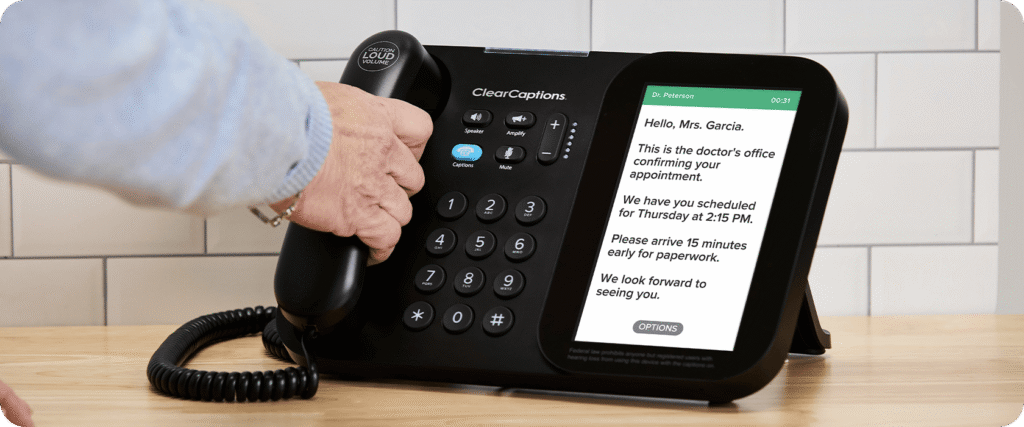
1. Caption phones
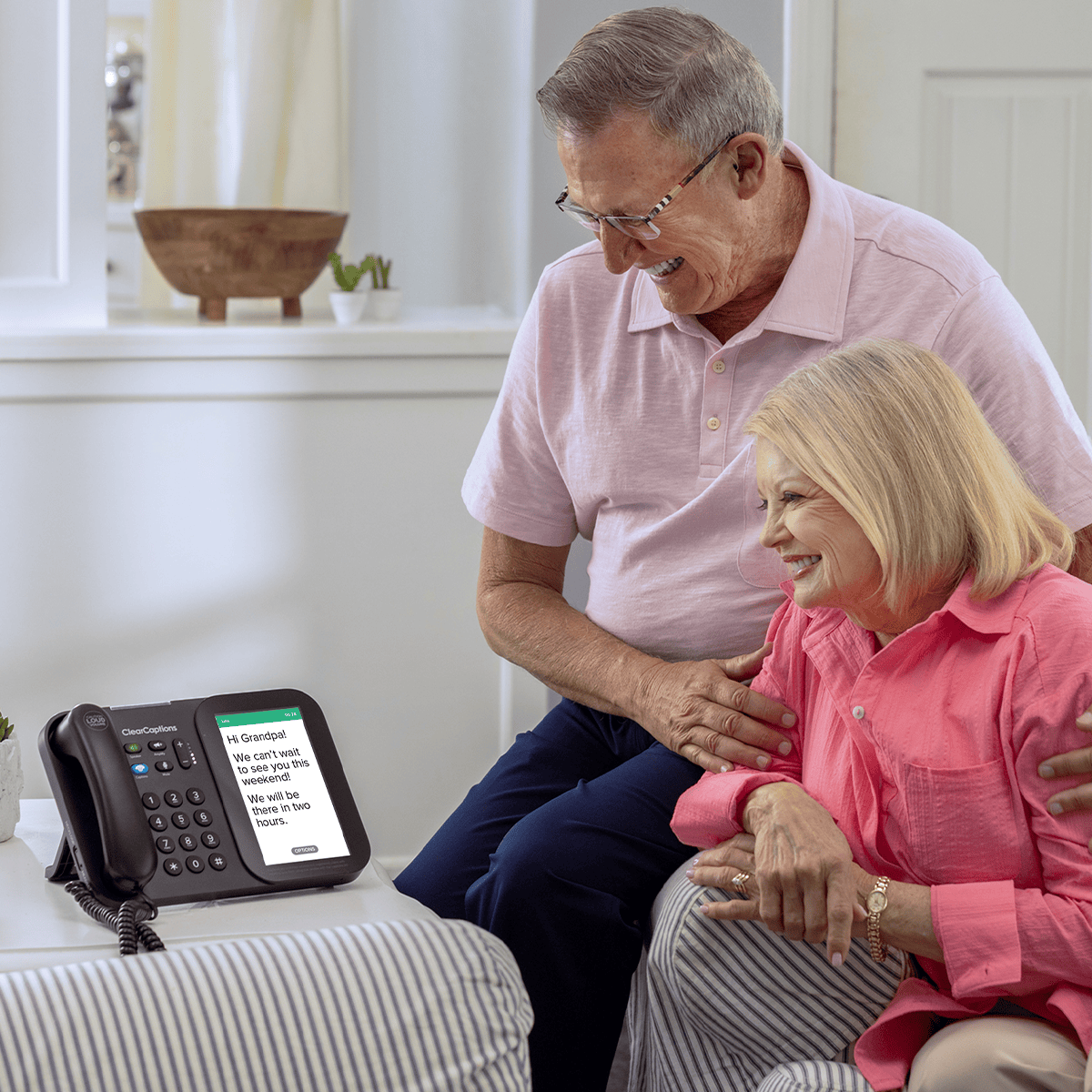
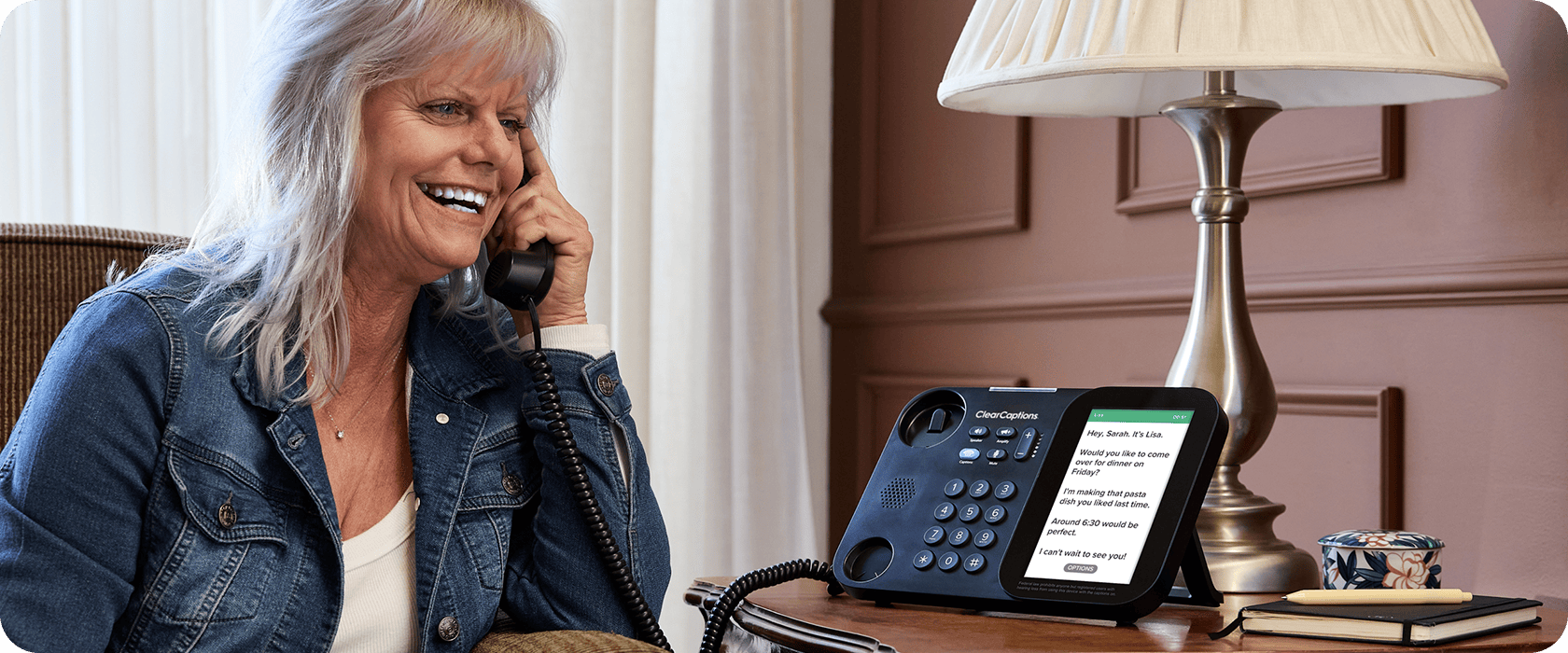
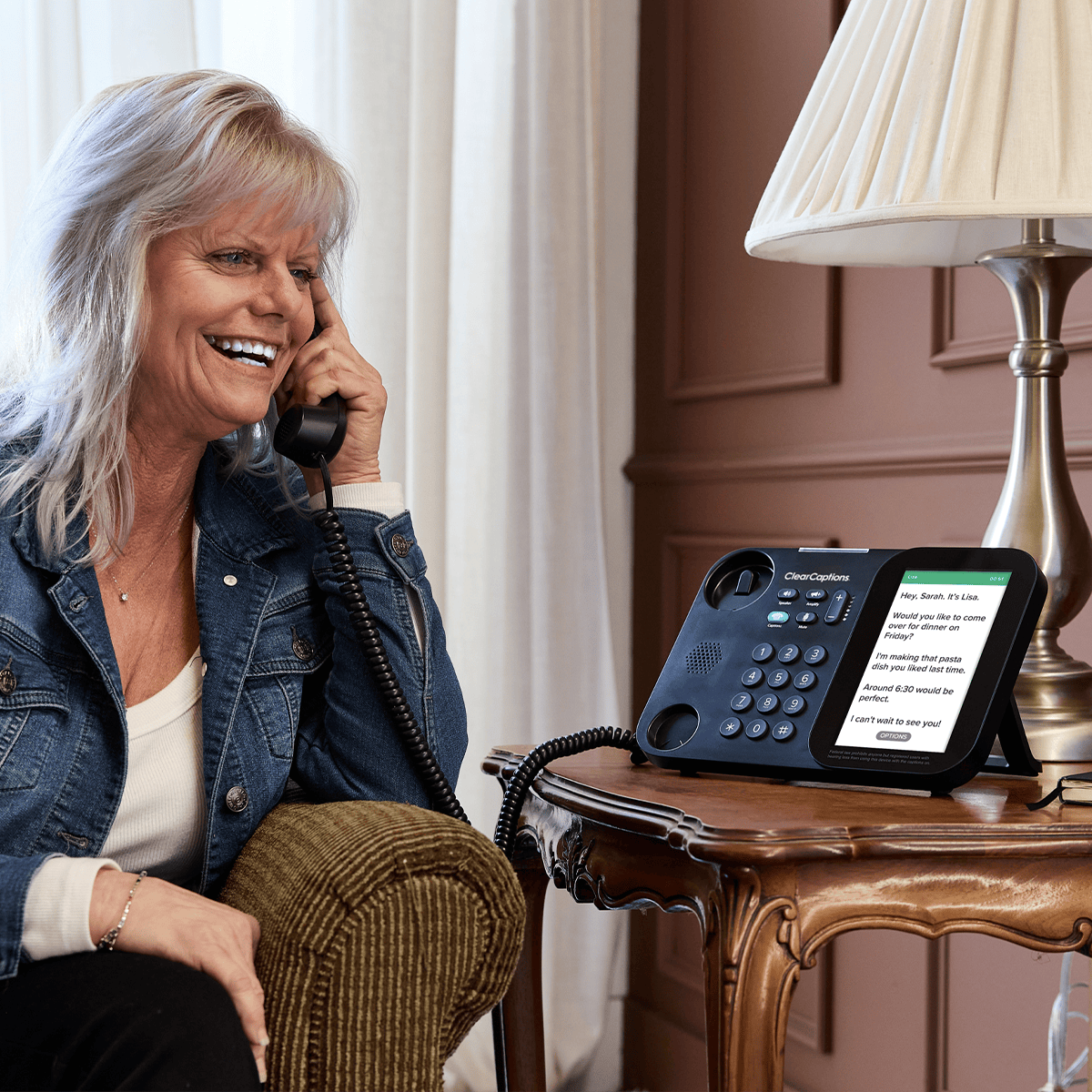
Caption phones provide the right amount of assistance for those who struggle to keep up with phone conversations. Designed specifically for those who are hard of hearing, these special phones display written captions of what the caller says. This combination of hearing the words and reading along makes phone calls much easier.
Thanks to a special federally managed program, Americans with self-certified hearing loss can qualify to receive a ClearCaptions Phone at no cost. These phones are excellent devices for hearing loss that help keep your loved ones connected to friends, family, and medical professionals.
2. Personal sound amplification products (PSAPs)
PSAPs are devices for hearing loss that make sounds louder. Much less expensive than traditional hearing aids, they look very similar and don’t require a prescription.
Since they amplify all sounds, they work best for conversations in quiet settings. Keep in mind that PSAPs aren’t medical devices. For those with moderate to severe hearing loss, hearing aids are usually a better choice, but PSAPs can be a good starting point or backup option.
3. TV listening systems (Radio Frequency & Bluetooth)
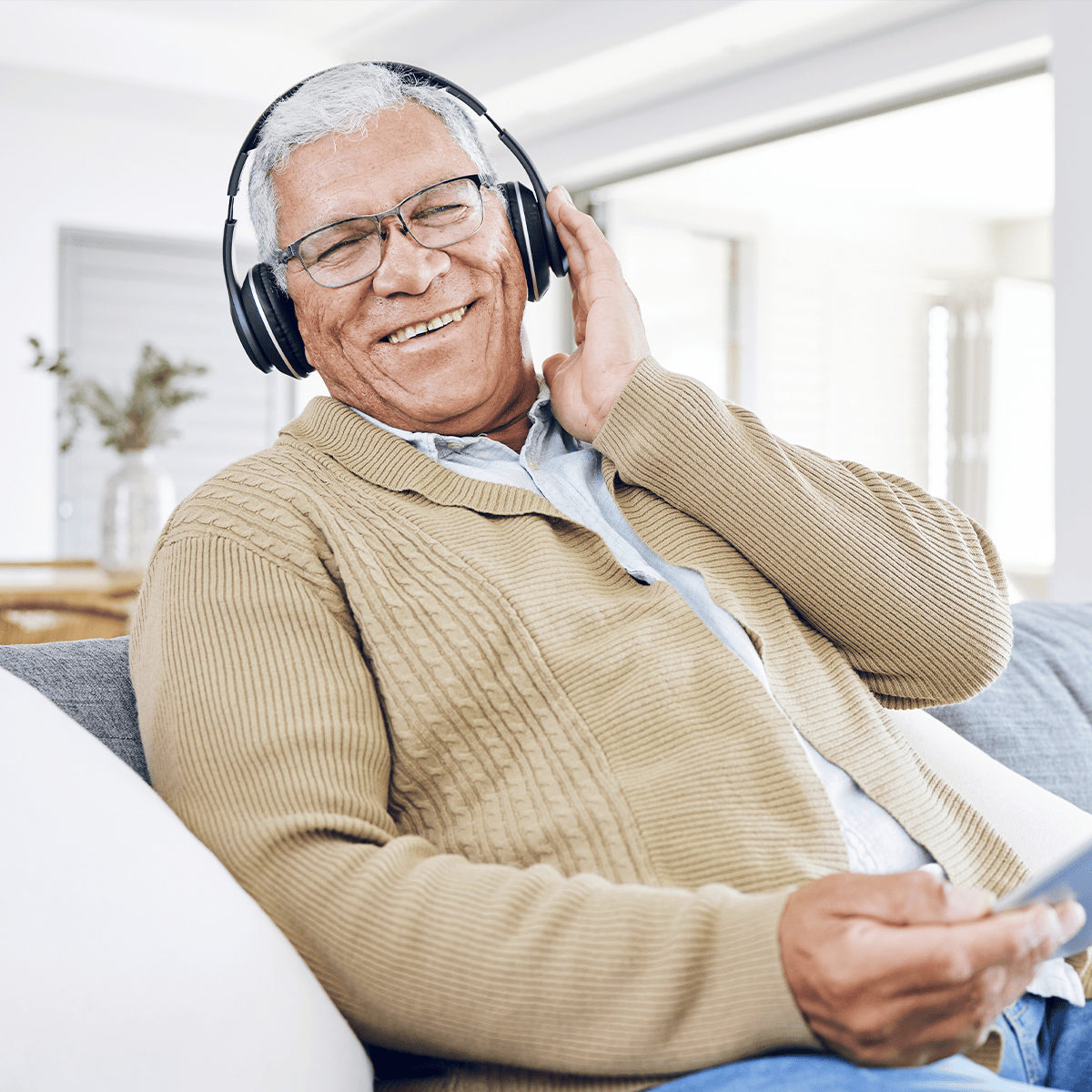
If your loved one wants to watch their favorite TV show without blasting the volume for everyone else in the room, a TV listening system might be the perfect solution. These senior hearing-assistance devices send TV audio directly to headphones or speakers near the listener.
Many TV listening systems can adjust the tone and bass so dialogue can be heard more clearly. Some systems work with hearing aids, and others come with comfortable headphones designed for extended wear.
4. Pocket talkers or personal amplifiers
Pocket talkers are portable devices for hearing loss that work great for one-on-one conversations. These handheld amplifiers have a microphone and connect to earbuds or headphones. The user can place the microphone near the person speaking, and the device will amplify the voice directly into their ears.
5. Smartphone amplifier apps
Modern smartphones include built-in accessibility features for hearing. Exploring which app works best for them could be one of the more cost-effective options.
Apps like Live Transcribe convert speech to text in real-time. Sound Amplifier boosts specific frequencies while reducing background noise. These apps use the phone’s microphone to pick up conversations and play the audio through earbuds or headphones.
6. Hearing loop systems
Hearing loop systems work with hearing aids and help amplify conversations. These systems can be installed in rooms such as living rooms, bedrooms, or community centers to help your loved ones process important conversations more effectively.
Many public places, such as theaters and churches, now have hearing loop systems. Portable loop systems are available for home use. Keep in mind that they only work with compatible hearing aids. Before setting one up in the home, be sure it works with their existing devices.
7. Bluetooth streaming accessories
Bluetooth streaming accessories act like a bridge between audio sources and assistive listening devices. They can be connected to phones, tablets, and TVs, and programmed to feed the sound directly to your loved one’s hearing aids or headphones.
Many modern hearing aids include Bluetooth capability, and streaming accessories enhance this function. They allow seniors to take phone calls, listen to music, or watch TV directly through their hearing aids.
8. Alerting & notification devices (vibration, lights)
Alerting devices help with important sounds that might otherwise be missed, like emergency alerts. These senior hearing assistance devices use flashing lights, vibrations, or extra-loud alerts. They notify users about doorbells, phone calls, smoke alarms, and alarm clocks. Many systems connect multiple devices throughout the home for complete coverage.
9. Wireless earbuds with live listen features
Modern wireless earbuds offer surprising benefits as devices for hearing loss. Apple AirPods and similar earbuds include “Live Listen” features that turn the connected iPhone into a microphone, wirelessly transmitting the conversation to the earbuds.
Since they are less noticeable than traditional assistive listening devices, many seniors feel more comfortable wearing them in public.
10. FM & infrared listening systems
FM and infrared systems are professional-grade assistive listening devices. These systems work over long distances and through walls, but require a little more setup than other devices.
Both systems work in specific environments. FM systems work well for outdoor activities or large spaces, while infrared systems are better suited for private conversations or home theaters.
How to Choose the Right Assistive Listening Device
Choosing from so many options can feel overwhelming. Here are some steps to follow to help you choose the best assistive listening devices.
- Identify the specific situations where your loved one struggles most. Is it phone calls? Television? Conversations in noisy restaurants? Different devices solve different problems.
- Consider your loved one’s comfort with technology. Choose a device that matches their comfort level. Think about what you can help with during setup versus what they’ll need to operate independently.
- Budget matters, too. Some devices, like caption phones or smartphone apps, can be used at no cost. Other systems can cost several hundred dollars.
- Consider any physical limitations, too. Arthritis might make it challenging to use tiny buttons. Vision problems require larger, clearer controls. If your loved one plans to wear the device for several hours, you’ll also need to consider their comfort level.
If you are confused about which option is best for you, talk to your loved one’s doctor or audiologist. They can recommend devices that work with existing hearing aids. They might know about assistance programs or discounts. Professional guidance helps you avoid expensive mistakes.
Tips for Caregivers: Helping Seniors Adapt to New Devices
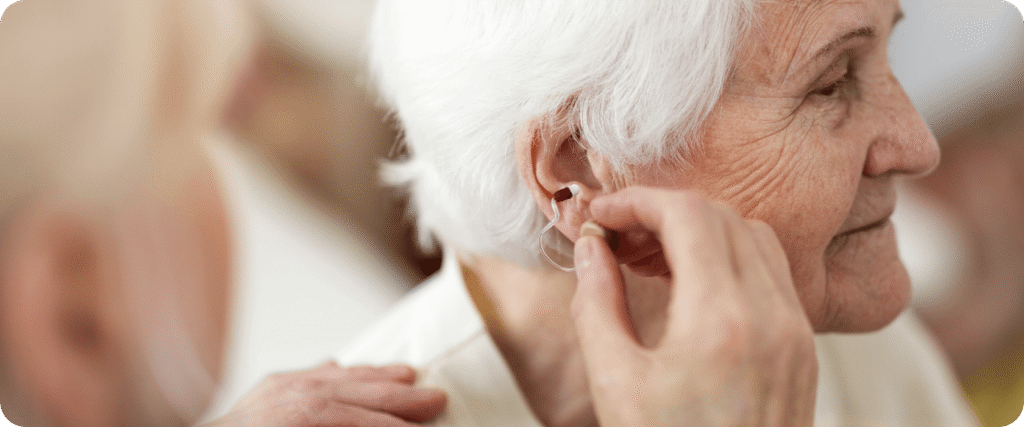
Assistive listening devices are beneficial, but they also come with a learning curve. Here are some tips to help make the process easier:
- Introduce the new device with patience and understanding. Many seniors feel frustrated or embarrassed about their hearing loss and might resist using devices at first. Your supportive approach makes all the difference.
- Practice together during calm, quiet times. Run through the steps several times. Write down simple instructions with large print. Include pictures if helpful. Keep instructions near the device for easy reference.
- Celebrate small wins. Positive reinforcement encourages continued use. Point out how much clearer conversations sound, or remind them of shows they can now enjoy on their own.
- Be patient with setbacks. Hearing loss often comes with emotional challenges, so listen to their concerns. Adjust settings if needed. Sometimes, a volume tweak or cushion change makes the device much more acceptable.
- Stay involved but encourage independence. Help with initial setup and training, but step back as your loved one gains confidence. The goal is confidence and independence.
Frequently Asked Questions
Do assistive listening devices work as well as hearing aids?
Assistive listening devices and hearing aids serve different purposes. Many people use both together. Hearing aids provide general hearing support, while assistive devices enhance specific challenging situations. For mild hearing loss, some people find assistive devices sufficient on their own. For moderate to severe hearing loss, hearing aids prescribed by an audiologist usually work better as the primary solution.
Does Medicare cover assistive listening devices?
No, Medicare typically doesn’t cover hearing aids or most assistive listening devices. However, some exceptions exist. Medicare may cover devices deemed medically necessary after illness or injury. Some optional Medicare Advantage plans, also known as Medicare Part C, will cover hearing aids.
What’s the difference between a caption phone and an amplified phone?
Amplified phones simply make sounds louder. Caption phones provide text captions of the conversation on a display screen. This allows individuals with hearing loss to both listen and read what’s being said. This dual approach makes phone conversations much more accessible.
Which assistive listening device is best for watching TV?
TV listening systems designed specifically for television work best. RF wireless headphones or Bluetooth TV streamers top the list of senior hearing assistance devices for TV watching because they send audio directly to the listener without disturbing others.