How to Improve Hearing: Essential Tips and Solutions for Seniors

Key Takeaways
- Age-related hearing loss is common and gradual, but there are real steps you can take to slow its progression and protect what hearing you have.
- Physical and mental health all play a role in how to improve hearing naturally.
- Regular hearing tests and professional care, including earwax removal and hearing aids, can make a meaningful difference.
- Simple changes at home and the right assistive technology can help you communicate with more confidence.
- If your hearing loss requires captioned calls, the ClearCaptions Phone is available at no cost to qualified individuals through a federally managed program.
Hearing loss is one of the most common health challenges older adults face. According to the National Institute on Deafness and Other Communication Disorders, about one in three people between the ages of 65 and 74 has hearing loss, and nearly half of those older than 75 have difficulty hearing.
But don’t let those stats get you down; know that you have options. Some very basic habits can support your hearing health, and the right medical care and assistive technology can help you stay connected, even as hearing changes over time.
If you’ve ever asked yourself, “What can I do to improve my hearing” this guide walks through what you can do, starting with understanding why hearing changes with age.
Understanding Age-Related Hearing Changes
Hearing loss that comes with age is called presbycusis. It develops slowly, often over many years, so many people do not notice it until it has progressed. You might find yourself asking others to repeat themselves more often, struggling to follow conversations in noisy rooms, or missing words on the phone.
The cause is usually damage to the tiny hair cells inside the inner ear. These cells pick up sound waves and send signals to the brain. Once damaged, they do not grow back. Loud noise exposure over a lifetime, certain medications, and underlying health conditions can all speed up this process.
Understanding age-related hearing loss is the first step toward understanding how to improve hearing. While you cannot fully reverse damage that has already happened, you can take steps to protect your hearing going forward and address the impact it has on your daily life.
How to Improve Hearing Naturally
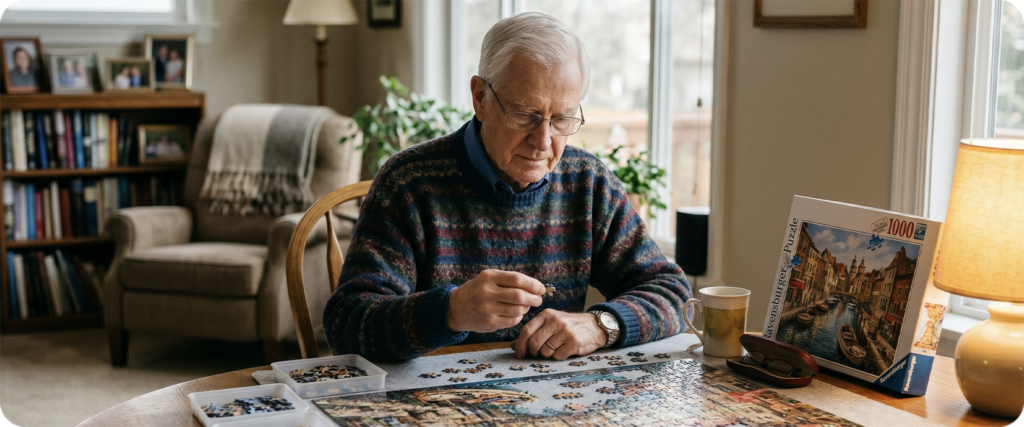
You can support your hearing health with everyday habits. These will not undo existing damage, but they can help protect the hearing you have and support the health of your auditory system over time.
Feed your ears (diet and nutrition)
Certain nutrients support the health of the inner ear and may help slow the progression of age-related hearing loss. Research suggests that magnesium, folate, and vitamins A, C, and E all play a role in protecting your hearing.
If you’ve ever wondered what foods improve hearing, know that many foods support hearing health, including leafy greens like spinach and kale, bananas, nuts, seeds, fish, and berries. A diet that reduces inflammation, similar to the Mediterranean diet, has also been associated with better hearing outcomes in older adults.
Staying well-hydrated matters, too. Dehydration can affect circulation throughout the body, including to the delicate structures of the inner ear.
Keep moving (exercise and circulation)
Good blood flow supports hearing health. The inner ear depends on a steady supply of oxygen-rich blood, and regular physical activity keeps that circulation strong.
Walking, swimming, cycling, and other low-impact aerobic exercises are great options for older adults. Research has linked regular exercise to a lower risk of age-related hearing decline. Even a 30-minute walk most days can make a difference.
Exercise also helps manage blood pressure and blood sugar levels, both of which are connected to hearing health. High blood pressure and diabetes are both known risk factors for hearing loss. All of these physical factors matter in how to improve hearing in old age.
Brain training for your ears
Hearing is as much about the brain as it is about the ear. Your brain processes the sounds your ears pick up, and keeping it active can help maintain that processing ability over time.
Activities like reading, solving puzzles, learning new skills, and having regular conversations all support cognitive function. Some research suggests that staying mentally engaged may help reduce the risk of cognitive decline associated with untreated hearing loss.
Staying socially connected matters, too. Isolation can speed up cognitive decline, and communication keeps your brain engaged with the sounds and language around you.
Medical Interventions for Better Hearing
Lifestyle habits are a good foundation, but professional medical care is often necessary for meaningful improvement. Here are the key medical steps to consider if you want to improve your hearing in old age.
Schedule regular hearing tests
A hearing test is the best way to understand what is happening with your hearing. Audiologists recommend that adults over 60 get a hearing evaluation at least every one to two years, or sooner if you notice changes.
A hearing test can identify the type and degree of hearing loss, which helps determine the best path forward. Early detection gives you more options. Waiting too long can make it harder to adjust to hearing aids or other devices.
If you have not had a hearing evaluation recently, scheduling one is a smart first step for anyone learning how to improve hearing in old age.
Safe earwax removal
Earwax buildup is a surprisingly common cause of muffled hearing in older adults. As we age, earwax tends to become drier and harder, making it less likely to clear on its own.
Never use cotton swabs to clean your ears. They push wax deeper into the ear canal, which can make the problem worse. Instead, talk to your doctor about safe removal options, such as softening drops or professional irrigation.
Treating earwax buildup is one of the simplest ways to improve hearing for people who have noticed a sudden or gradual change in clarity.
Exploring hearing aids
Hearing aids are one of the most effective tools available for managing age-related hearing loss. Today’s models are smaller, more powerful, and more comfortable than ever before. Many connect directly to smartphones via Bluetooth™, allowing users to stream audio, adjust settings, and more.
There are several styles available, from behind-the-ear models to smaller in-ear options. An audiologist can help you find the right fit based on your hearing profile, lifestyle, and preferences.
Hearing aids require an adjustment period. Most people find that their brain adapts to amplified sound over a few weeks. Sticking with it and working closely with your audiologist makes a big difference in long-term satisfaction.
How to Improve Hearing Communication Immediately

Some changes make a meaningful difference right away, without waiting for a medical appointment or new device.
Optimize your environment
Background noise is one of the biggest barriers to clear communication for people with hearing loss. A few simple changes can help:
- Turn off the TV or radio when having a conversation.
- Move to a quieter room when taking a phone call.
- Face the person you are talking with so you can see their facial expressions and lip movements.
- Ask others to speak clearly and at a moderate pace rather than shouting.
- Use good lighting so you can read visual cues.
These adjustments will not fix hearing loss, but they reduce the effort it takes to follow conversations and can meaningfully improve your day-to-day experience.
Hearing assistive technologies that help
Assistive technology can fill in communication gaps that hearing aids alone do not always address. For phone calls in particular, this can be a major challenge. Many people with hearing loss find phone conversations especially difficult because there are no visual cues to rely on.
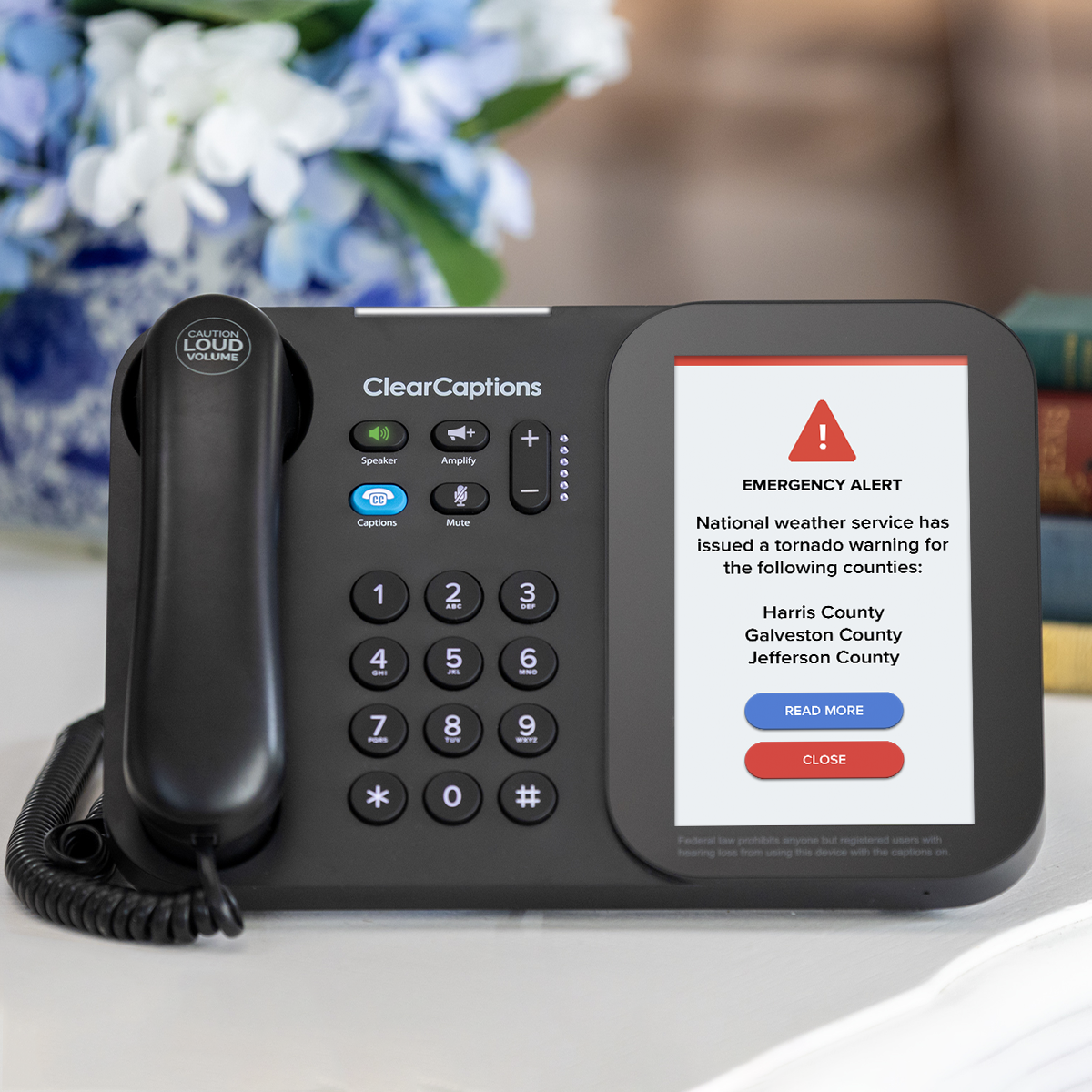
Caption phones display the words your caller says as text on a large screen, so you can read and hear the conversation at the same time. The ClearCaptions Phone is one example. Funded through a federally managed program, it is available at no cost to qualified individuals with hearing loss.
ClearCaptions has served customers across all 50 states since 2011 and is the largest provider of federally funded telephone captioning in the country. To learn more about eligibility, visit clearcaptions.com.
Hearing loss does not have to mean missing out on the conversations that matter most. With the right steps, tools, and support, you can protect your hearing health and stay connected with the people you love.
Frequently Asked Questions
What can I do to improve my hearing?
Most age-related hearing loss cannot be reversed, because it is caused by permanent damage to the hair cells in the inner ear. However, some hearing loss is temporary. A buildup of earwax, ear infections, or fluid in the ear can all muffle hearing in ways that are treatable. If you notice a sudden or unexplained change in your hearing, see your doctor to rule out a correctable cause. For long-term hearing loss, the focus shifts from reversal to management, which includes hearing aids, assistive devices, and strategies to improve communication.
What foods improve hearing?
Foods rich in magnesium, folate, and antioxidant vitamins support the health of the auditory system. Leafy greens like spinach and kale, fish, bananas, nuts, and berries are all good choices. A balanced, anti-inflammatory diet supports circulation to the inner ear, which is important for maintaining hearing function over time.
What vitamins are good for hearing health?
In addition to what foods improve hearing, Certain vitamins (A, C, and E) act as antioxidants that may help protect the inner ear from oxidative stress. B vitamins, especially folate (B9) and B12, support circulation and nerve function in the auditory system. Incorporating these vitamins is a natural solution for how to improve hearing. Magnesium has also been studied for its protective effects on hearing, particularly in relation to noise-induced damage. As always, speak with your doctor before starting any new supplement, especially if you are managing other health conditions or taking medications.
Are there exercises to improve hearing?
Physical exercise improves blood flow throughout the body, including to the inner ear, and may help support hearing health over time. Aerobic activities like walking, swimming, and cycling are especially beneficial. There are also auditory training exercises, sometimes called “listening exercises,” that can help your brain better process the sounds it receives. These are often used alongside hearing aids to improve speech understanding in difficult listening environments. Ask your audiologist if auditory training might be a good fit for you.