The Hidden Connection: Poor Sleep Quality and Hearing Loss Risk
Key Takeaways
- There is a connection between hearing loss and sleep apnea.
- Poor sleep quality makes it harder for your body to repair your inner ear.
- Tinnitus (ringing in the ears) can both cause sleep problems and be worsened by lack of sleep.
- Improving sleep quality may help protect your hearing.
- Treating sleep disorders, such as sleep apnea, may help prevent or slow the progression of hearing loss.
The Connection Between Sleep and Hearing Loss
Poor sleep can affect almost every area of your life. In fact, many studies show that there is a strong connection between sleep and hearing health.
It is particularly important for you to pay attention to this connection. As you age, both sleep disorders and hearing loss become more common. Understanding how these conditions interact can help you protect both your sleep quality and your hearing health.
What the Research Shows

In recent years, studies have shown that there is a strong connection between sleep apnea and hearing loss. A recent Journal of Clinical Sleep Medicine study found that sleep apnea was associated with a 31% increased risk of high-frequency hearing loss and a 90% increased risk of low-frequency hearing loss.
Another study from the Henry Ford Health System revealed that people with insomnia often had a higher risk of tinnitus and other hearing issues. A lack of sleep makes it harder for the body to recover from daily noise exposure.
How Poor Sleep Damages Your Hearing
Good, quality sleep is important for several reasons. One of the biggest is that it gives your body the ability to repair itself. Without proper sleep, it can be hard for your body to rest and recover from the stress of daily living.
The tiny hairs in your inner ear are no exception and benefit from the nighttime rest. When your sleep is disrupted, it also disrupts the repair process.
Common Sleep Problems That Affect Hearing
Can sleep apnea cause hearing loss? Can lack of sleep cause tinnitus? Let’s talk more about some of the most common sleep problems that negatively affect your hearing health.
Sleep Apnea
When someone experiences apnea, their oxygen levels drop during their sleep. This drop can damage the small blood vessels inside your ears. Over time, this reduced blood flow can permanently affect your hearing structures.
Insomnia
Insomnia, or difficulty falling or staying asleep, affects the way your body recovers after a long day. Your hearing health depends on that ability to recover, so when it doesn’t happen, it can cause hearing issues.
Tinnitus and Sleep
A lack of sleep can make tinnitus, or the cricket sound in your ears, feel more intense or noticeable. On the other hand, that constant buzzing in your ears can also make it hard for you to fall asleep, creating a frustrating cycle of poor sleep and worsening tinnitus symptoms.
Protecting Your Hearing Through Better Sleep
Luckily, there are steps you can take to protect your hearing health and improve your sleep quality.
- Get screened for sleep apnea: If you snore loudly, wake up gasping, or feel excessively tired during the day despite sleeping a whole night, talk to your doctor about sleep apnea testing.
- Treat existing sleep disorders: Using a CPAP machine for sleep apnea or appropriate treatments for insomnia can help improve your sleep quality and hearing health.
- Monitor your hearing: Scheduling regular hearing checks or noticing signs of hearing loss can help you catch concerns early. The earlier you address health issues, the better.
- Get help for tinnitus: If you experience ringing or buzzing in your ears, speak with a hearing care professional about management strategies that can help both your tinnitus and your sleep.
Sleep Hygiene Best Practices for Seniors
Improving your sleep habits can lead to improved overall health, including better hearing. Here are some things you can do to get better sleep:
- Maintain a regular sleep schedule.
- Keep your bedroom cool, quiet, and dark to create a sleep-friendly environment.
- Limit fluids before bedtime to reduce nighttime bathroom trips.
- If tinnitus disrupts your sleep, consider buying a white noise machine.
The Reverse Connection: Can Hearing Loss Cause Sleep Apnea?
Just as poor sleep can impact hearing, hearing loss can significantly affect sleep quality. Untreated hearing loss can cause anxiety or stress, making it harder to fall asleep.
Tinnitus can also become an even bigger problem at nighttime. When everything is quiet, the noises of tinnitus can become more noticeable.
For those with hearing aids, properly managing your devices at night is important. While some models are designed to be worn at all times, most should be removed at night. If you are concerned about missing emergency alarms, try different smart home devices that use vibration or flashing lights instead of noises you might not hear.
Reclaim Your Rest and Your Connections
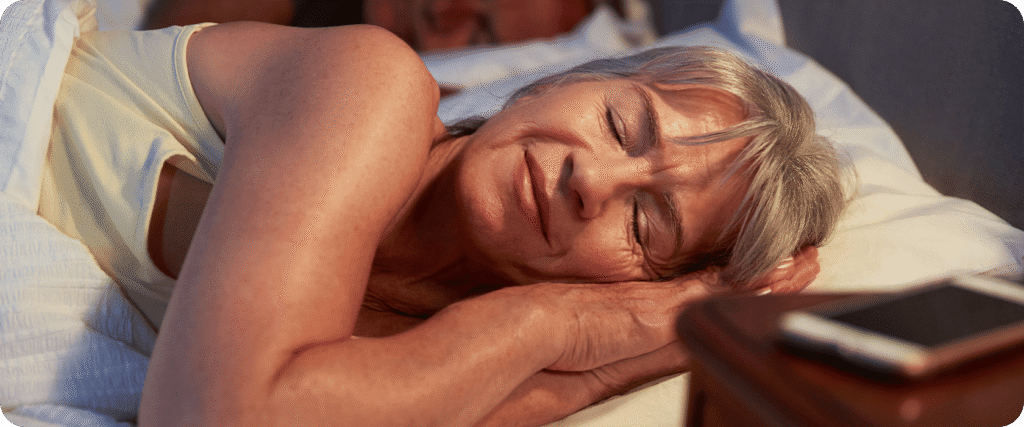
While there is a strong connection between hearing loss and sleep apnea, as well as other sleep disorders, there are steps you can take to improve both your sleep and your hearing health.
If you’ve been experiencing issues, talk to your healthcare providers about screening for both sleep disorders and hearing loss. With proper care and attention, you can protect your hearing health and enjoy more restful nights for years to come.