The Hidden Side Effects of Untreated Hearing Loss in Seniors
Key Takeaways
- Regular hearing screenings should be part of senior healthcare routines.
- A higher risk of dementia and depression is a side effect of untreated hearing loss.
- Early treatment can prevent the unwanted consequences of hearing loss.
Many seniors with hearing loss may delay or avoid seeking treatment. While age-related hearing loss is common, it isn’t a guarantee, and ignoring the warning signs can impact your overall health in surprising ways.
Why Hearing Loss in Seniors Is Often Overlooked
Hearing loss typically happens over time. The brain adapts to these slow changes, making the progressing condition easy to overlook.
Even seniors who recognize their own hearing loss may resist getting help because they believe hearing loss is just a normal, unavoidable part of aging. Others may worry about being judged or learning that their condition is worse than it actually is.
The Obvious vs. The Hidden: Beyond Communication Challenges
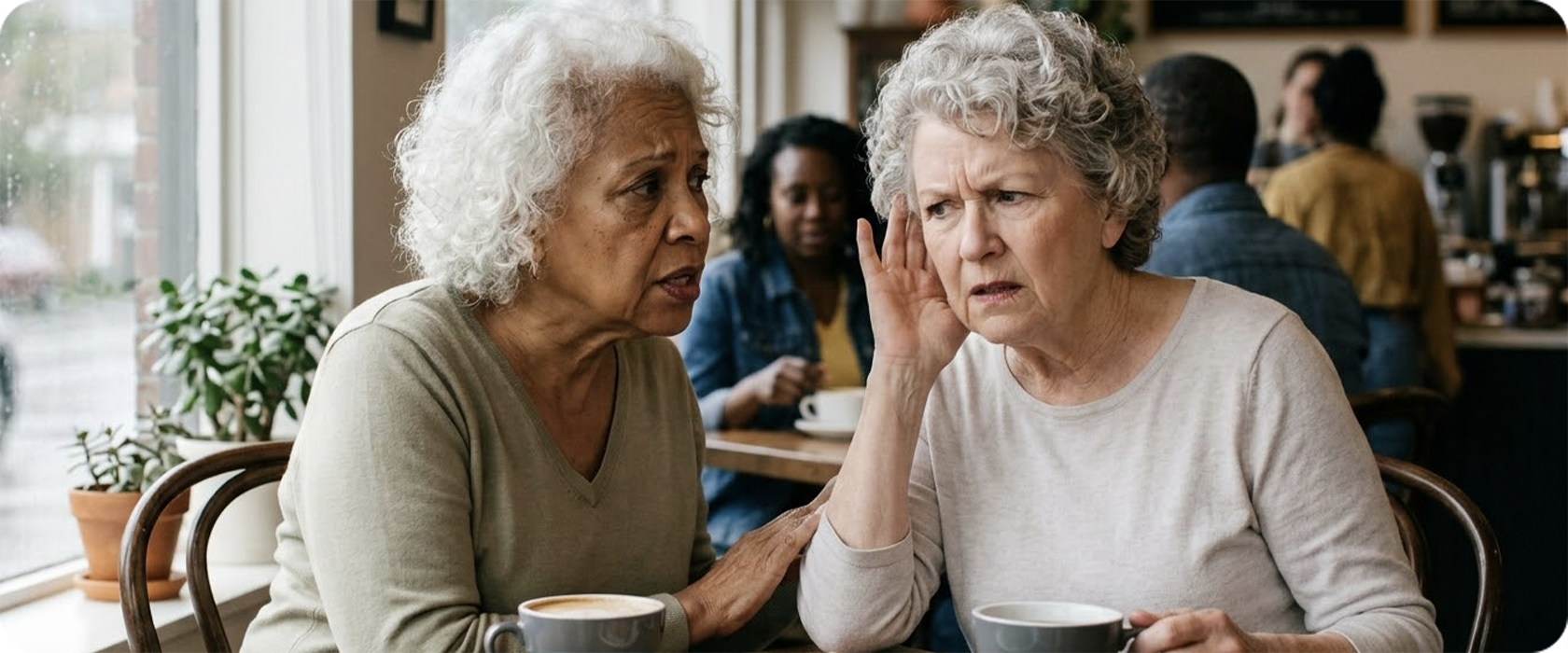
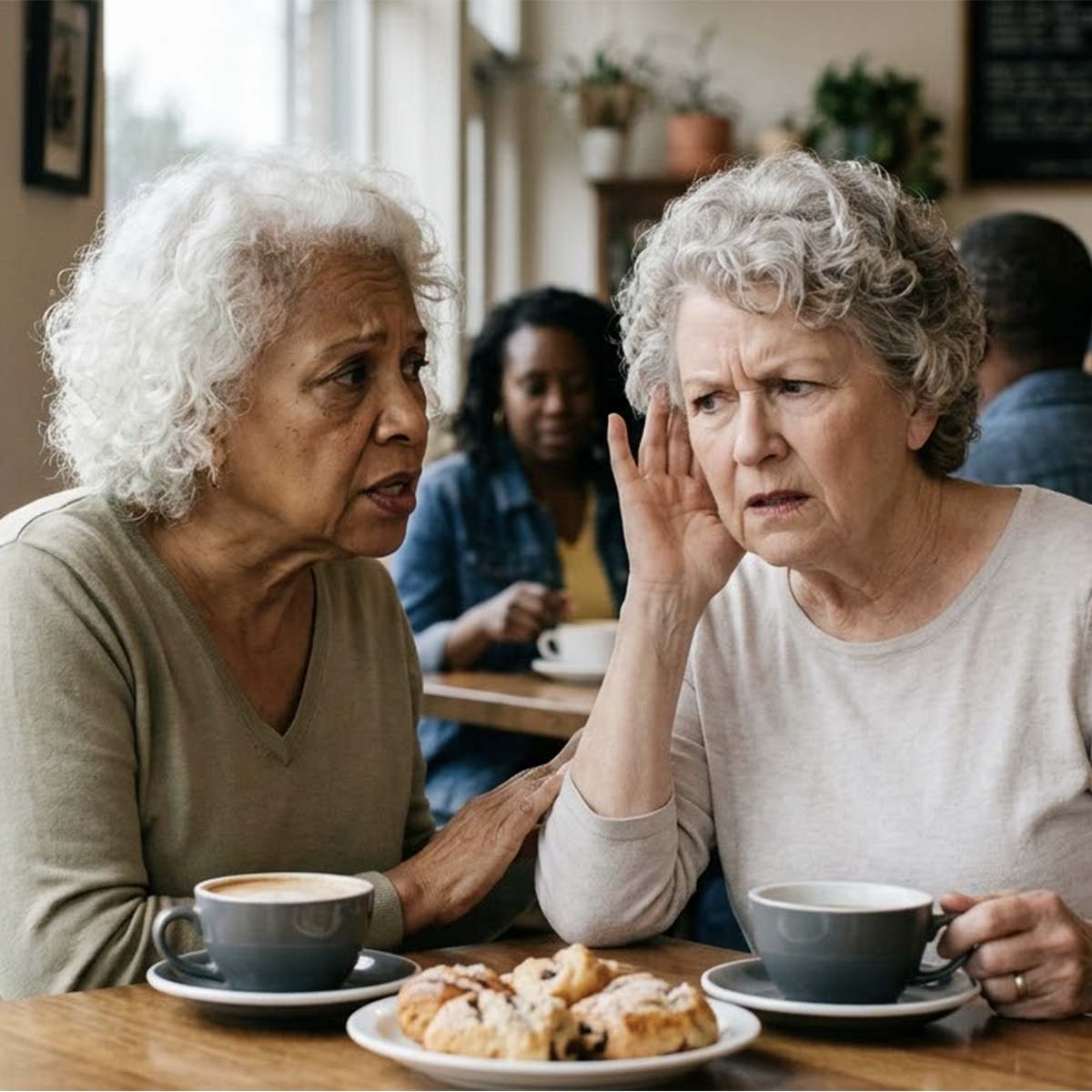
The most obvious signs of hearing loss include asking people to repeat themselves, turning up the TV volume consistently, and having difficulty following conversations.
But there are also other hidden effects of hearing loss, including a decline in balance, cognitive function, and emotional health. Recognizing these less obvious effects is an important step for seniors to understand that hearing loss is about much more than just improving communication.
The Health Risks of Hearing Loss in Seniors
In addition to negatively affecting hearing health, other health risks of hearing loss include:
- Brain health risks: Studies show that hearing loss can increase the risk of dementia by up to five times.
- Physical safety risks: Problems with hearing can triple the risk of falls and prevent seniors from recognizing potential dangers in their surroundings.
- Heart health: The same conditions that cause heart problems, like high blood pressure and diabetes, can damage the blood vessels in the ear.
- Mental health impact: The effects of hearing loss on mental health include higher rates of depression, anxiety, and feelings of isolation.
Hearing Loss and Brain Health

One of the most concerning results of hearing loss is its effect on brain health. Hearing loss forces the brain to work overtime to try to understand what people are saying. This extra effort takes resources away from memory and thinking.
Hearing loss can also lead to structural changes within the brain. When the parts of the brain that process sound and speech aren’t used as frequently as they should be, it can cause them to shrink.
Social isolation is another side effect of untreated hearing loss. When hearing becomes difficult, many people withdraw from conversations and social activities. This removes important brain stimulation and can lead to mental health challenges.
Side Effects of Untreated Hearing Loss
In addition to negatively affecting brain health, additional side effects of hearing loss include:
- Safety concerns: Failing to hear smoke alarms, doorbells, or approaching vehicles can create dangerous situations.
- Sleep problems: Research shows a connection between hearing loss and poor sleep quality.
- Loss of independence: As seniors manage their hearing loss, they may become more dependent on caregivers for daily activities and social interaction.
Daily Challenges Seniors Face With Hearing Loss
There are also daily side effects of untreated hearing loss that affect their quality of life, including:
- Communication difficulties: Frustration in understanding everyday speech can often lead to avoiding social situations, which can increase feelings of loneliness.
- Increased fatigue: Straining to hear and follow conversations throughout the day can affect your energy levels.
- Loss of enjoyment: Simple activities like watching TV or sharing a meal become more challenging.
The Long-Term Consequences of Hearing Loss
Without proper treatment, hearing loss often worsens over time:
- Accelerated cognitive decline: Studies show that untreated hearing loss speeds up cognitive changes by 30-40%.
- Increased caregiver burden: Without being able to communicate properly, seniors often become more dependent on their caregivers for tasks they used to be able to complete independently.
- Higher healthcare costs: The health problems associated with untreated hearing loss can lead to more doctor visits, medications, and even hospitalizations.
- Reduced quality of life: The combined effects often result in decreased enjoyment of life and lower overall well-being.
Signs You Might Notice in a Loved One
Look out for these warning signs of hearing loss, both for yourself and those you love:
- Consistently turning up the TV or radio volume very loud
- Frequently asking people to repeat themselves or having trouble following conversations
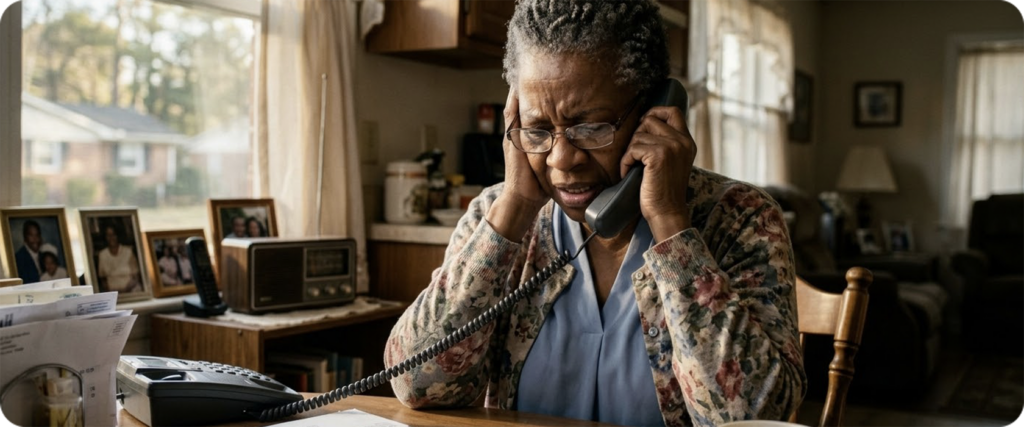
- Problems hearing on the phone
- Difficulty hearing in noisy environments
- Withdrawing from social situations
- Balance problems or increased falls
If you notice these signs, it’s time to discuss your hearing health or your loved one’s hearing health with a doctor.
What Causes Hearing Loss in Seniors?
Hearing loss primarily results from age-related decline. As we age, the delicate hair cells in the inner ear that help us hear can weaken over time.
But not all hearing loss is age-related. Other causes, such as genetics, prolonged exposure to loud noise, and underlying health conditions like diabetes, high blood pressure, and ear infections, may be to blame. Even certain medications can contribute to hearing loss in older adults.
In some cases, the health risks of hearing loss can include failing to recognize it as a symptom of another health condition.
How Common Is Hearing Loss in Older Adults?
Hearing loss is common in seniors, with nearly one-third of people aged 65 to 74 experiencing some form of hearing loss. This number rises to about one-half of individuals aged 75 and older.
According to the Hearing Loss Association of America, approximately 65% of Americans aged 50 and older (over 21 million people) have difficulty hearing.
Why Many Seniors Delay Hearing Loss Treatment
Although hearing loss is common for seniors, many individuals delay seeking treatment. In fact, of adults over 70 who could benefit from hearing aids, more than 70% have never used them. Some seniors may not recognize the early signs of hearing loss and dismiss it as a normal part of aging. Others may be embarrassed to wear hearing aids or fear the financial cost of treatment.
Many seniors are unaware of the side effects of untreated hearing loss, such as an increased risk of falls. Additionally, denial or the inability to accept physical changes can keep seniors from taking action.
Hearing loss often progresses slowly, so the changes may not seem significant at first. However, by hesitating to address the issue, seniors can experience more severe hearing loss over time.
Treatment Options for Hearing Loss in Seniors

Early intervention is the best treatment for hearing loss. Whether you suspect hearing loss or not, scheduling a hearing exam is the first step toward protecting your hearing health. Hearing exams are quick, non-invasive, and often provided at no cost to you.
Seniors have several convenient options for addressing age-related hearing loss:
- Hearing aids (prescription and over-the-counter)
- Caption phones
- Pocket talkers
- TV amplifiers and assisted listening devices
- Hearing loops
For severe hearing loss, cochlear implants may be an option.
How to Live Independently with Hearing Loss
Simple ways to protect your hearing health include creating a hearing-friendly environment by watching TV with captions, talking to your doctor about hearing aids, and using a ClearCaptions Phone to stay connected to friends and family.
Of course, proactive treatment is always best. The sooner you address your hearing loss, the better the outcomes will be. Research shows that people who get hearing aids sooner have better results than those who wait longer.
Scheduling regular hearing exams can allow you to monitor your hearing loss and receive treatment options based on up-to-date medical advances.
Frequently Asked Questions
What happens if hearing loss is left untreated?
If left untreated, hearing loss can lead to serious health problems, including faster cognitive decline, increased risk of dementia, higher rates of depression and anxiety, social isolation, and increased risk of falls.
Does hearing loss affect balance?
Yes, hearing loss affects balance. Research shows that even mild hearing loss can triple the risk of falls.
What are the emotional outcomes of hearing loss in seniors?
Hearing loss can make you feel frustrated when struggling to follow everyday conversations or embarrassed because you misheard something or needed it repeated. These are common early indicators of hearing loss, which cause many seniors to withdraw from activities and relationships they previously enjoyed. Social isolation can have severe emotional and mental health consequences; if you find yourself withdrawing from conversations, schedule an ear exam to find treatment.
Sources