Whooshing Sound in Ear: What It Means and When to Act

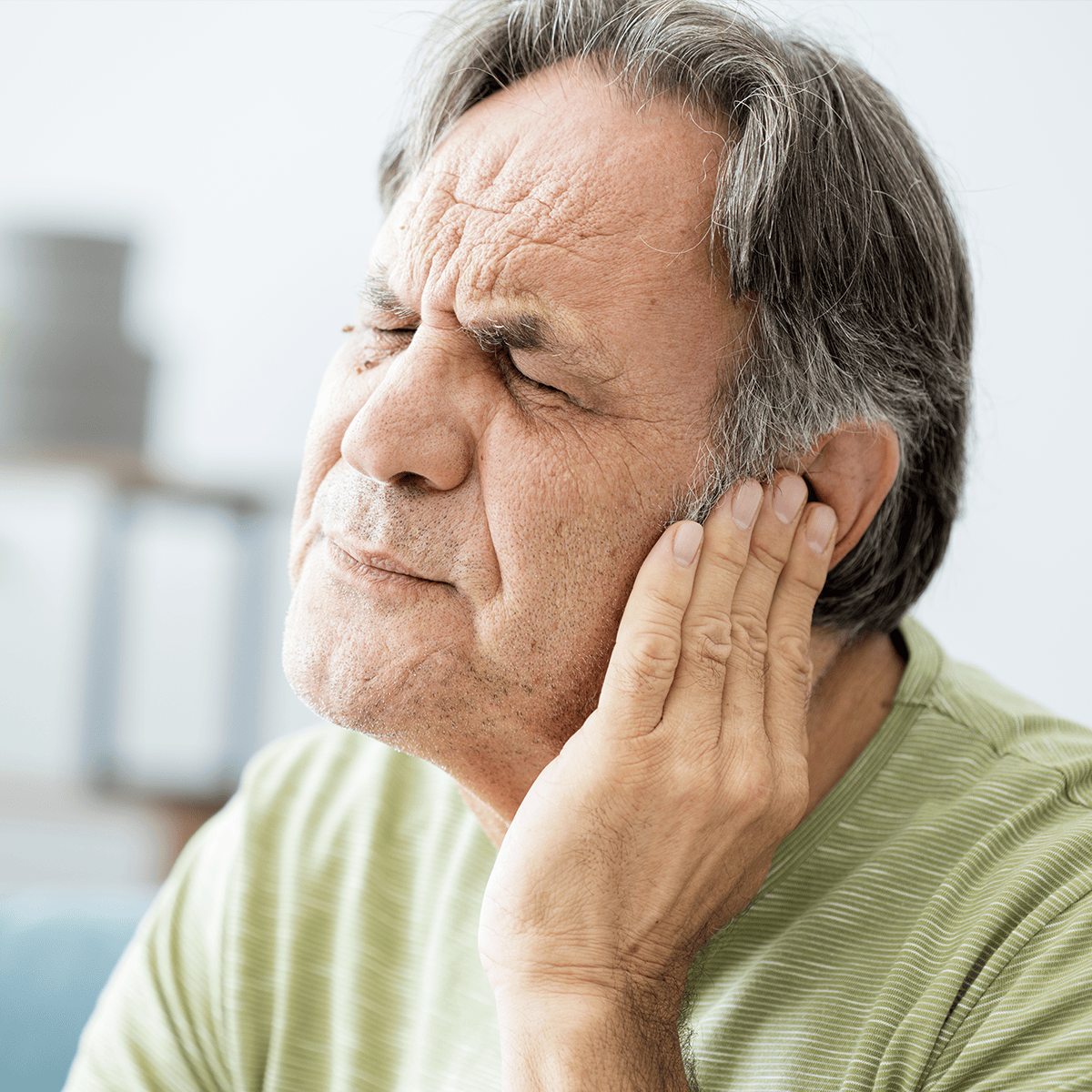
Key Takeaways
- A whooshing sound in the ear is often called pulsatile tinnitus because it typically pulses in rhythm with your heartbeat.
- Common causes include age-related changes in blood vessels, high blood pressure, earwax buildup, and certain medications.
- While usually not dangerous, a whooshing sound should be evaluated by a doctor, especially if it’s sudden, affects only one ear (pulsatile tinnitus in one ear only), or comes with other symptoms.
- How to treat whooshing sound in ear focuses on addressing the underlying cause, which might include managing blood pressure, removing earwax, or adjusting medications.
- Hearing support tools such as captioned phones can help maintain communication clarity when hearing changes occur.
If you’ve ever heard a rhythmic whooshing sound in ear that seems to match your heartbeat, you’re not alone. This experience can be unsettling, especially when it happens at night or in quiet moments. Unlike a steady ringing, buzzing sound in ear, or crackling sound in ear that many people associate with tinnitus, a whooshing noise in ear often has a distinct quality that makes it feel different.
The good news is that while a whooshing sound in your ear deserves attention, it’s often manageable with the right approach. Understanding what causes these sounds and knowing how to stop the whooshing sound in ear can help you take control of your hearing health and maintain your quality of life.
What Is That Whooshing Sound in Your Ear?
The medical term for a whooshing, pulsing, or rhythmic sound in your ear is pulsatile tinnitus. Unlike regular tinnitus, which typically produces a steady ringing, buzzing, or hissing sound, pulsatile tinnitus creates a rhythmic noise that often matches the beat of your heart.
Many people describe this sound in different ways. You might hear a “whoosh-whoosh” that pulses steadily, a swishing sound like water flowing through pipes, or even a thumping sensation. Some people notice it most when they’re lying down at night, while others hear it throughout the day.
The key difference between pulsatile tinnitus and other types of tinnitus is that pulsatile tinnitus usually relates to blood flow near your ear structures. Regular tinnitus typically stems from nerve-related issues in the hearing system. This distinction matters because it affects how doctors diagnose and treat the condition.
Common Causes of Whooshing Sounds in Ear

Several factors can create that distinctive whooshing sound in your ear. Let’s explore the most common causes.
Age-related hearing changes
As we get older, the blood vessels near our ears can change in ways that affect what we hear. The walls of these vessels may become less flexible, or the blood flow through them may become more turbulent. These changes can create sounds that your inner ear picks up and interprets as whooshing or pulsing noises.
The small bones in your middle ear may also change position slightly with age, making you more sensitive to the sound of blood flowing through nearby vessels. This is similar to how you might suddenly notice the ticking of a clock that’s been in your room for years.
Blood flow and circulation issues
High blood pressure is one of the most common causes of pulsatile tinnitus. When blood pressure rises, blood moves through your vessels with more force, creating sounds that can be loud enough for you to hear. This is why some people notice their whooshing sound gets worse during stressful periods or after physical activity.
Other circulation-related causes include:
- Hardening of the arteries, which can narrow blood vessels and create turbulent flow
- Increased blood flow during pregnancy or thyroid conditions
- Blood vessel abnormalities near the ear, such as a kinked or narrowed vessel
- Conditions affecting the jugular vein, which runs close to the ear structures
Earwax buildup
Something as simple as earwax can cause a whooshing sound. When earwax accumulates against your eardrum, it can make you more aware of sounds inside your body, including blood flow. The wax acts like an amplifier, making internal sounds seem much louder than they normally would.
This cause is particularly common among older adults because earwax tends to become drier and harder with age, making it more likely to build up and cause problems.
Medications
Certain medications can contribute to pulsatile tinnitus or make it more noticeable. Aspirin and other nonsteroidal anti-inflammatory drugs (NSAIDs) are known culprits when taken regularly or in high doses. Some blood pressure medications, antidepressants, and antibiotics may also play a role.
If you’ve recently started a new medication and then noticed a whooshing sound, this connection is worth discussing with your doctor.
Other medical conditions
Several other health conditions can cause pulsatile tinnitus:
- Anemia, which causes your heart to work harder to deliver oxygen
- Intracranial hypertension (increased pressure in the skull)
- Tumors near the ear or brain (though this is rare)
- Middle ear infections or fluid buildup
- Temporomandibular joint (TMJ) disorders
Is a Whooshing Sound in the Ear Dangerous?
For most people, a whooshing sound in the ear isn’t immediately dangerous. However, it serves as your body’s way of signaling that something has changed and deserves attention.
The sound itself typically won’t harm you, but the underlying cause might need treatment. For instance, if high blood pressure is causing the whooshing sound, addressing it is important for your overall health, not just for quieting the noise.
That said, certain warning signs suggest you should seek prompt medical attention. These include a sudden onset of whooshing that appears without explanation, whooshing accompanied by dizziness or loss of balance, hearing loss in addition to the whooshing sound, or severe headaches along with the ear symptoms.
When Should You See a Doctor?

You should schedule an appointment with your doctor if you notice a persistent whooshing sound in your ear, especially if it lasts more than a few days or interferes with your sleep or daily activities.
Seek medical care more urgently if you experience:
- A whooshing sound that starts suddenly after a head injury
- Pulsatile tinnitus in one ear only, particularly if it’s new
- Whooshing accompanied by vision changes or severe headaches
- The sound along with weakness, numbness, or difficulty speaking
- Dizziness or loss of balance with the whooshing sound
Even if you don’t have these urgent symptoms, any persistent change in your hearing deserves evaluation. Your primary care doctor can start the assessment and may refer you to an ear, nose, and throat specialist (ENT) or an audiologist for further testing.
How Is Pulsatile Tinnitus Diagnosed?
Diagnosing the cause of a whooshing sound involves several steps. Your doctor will start with a thorough medical history, asking about when you first noticed the sound, whether it’s constant or comes and goes, and what makes it better or worse.
A physical examination follows, during which your doctor will look in your ears, check your blood pressure, and listen to the blood flow in your neck using a stethoscope. Sometimes doctors can actually hear the whooshing sound themselves this way, which provides valuable diagnostic information.
Depending on what the initial evaluation reveals, your doctor might order additional tests. These could include hearing tests to assess your overall hearing function, blood tests to check for anemia or thyroid problems, or imaging studies like an MRI or CT scan to look at the blood vessels and structures around your ear.
The diagnostic process might feel lengthy, but each step helps narrow down the cause so your doctor can recommend the most effective treatment.
Treatment Options and Management Strategies
Treatment for pulsatile tinnitus focuses on addressing the underlying cause. The approach your doctor recommends will depend on what’s creating the whooshing sound.
Medical treatments
How to treat pulsatile tinnitus depends on the cause. In cases of high blood pressure, managing it through medication and lifestyle changes often reduces or eliminates the whooshing sound. This might involve working with your doctor to find the right blood pressure medication or adjusting your current dosage.
For earwax buildup, professional removal typically provides immediate relief. Your doctor can safely remove the wax using special instruments, irrigation, or suction. Never try to remove earwax yourself with cotton swabs, as this often pushes wax deeper and can damage your ear.
If a medication is causing or worsening your symptoms, your doctor might adjust the dose or switch you to an alternative. However, never stop taking prescribed medication without consulting your healthcare provider first.
In rare cases where a structural abnormality or blood vessel problem is identified, procedures or surgery might be necessary. These situations are uncommon and typically involve specialists who focus specifically on these conditions.
Lifestyle modifications
Several lifestyle changes can help manage pulsatile tinnitus:
Reduce salt intake. Excess sodium can increase blood pressure and make whooshing sounds more noticeable. Aim to keep your daily sodium below 2,300 milligrams, or lower if your doctor recommends it.
Manage stress. Stress raises blood pressure and can make you more aware of the whooshing sound. Regular relaxation practices like deep breathing, gentle exercise, or activities you enjoy can help.
Limit caffeine and alcohol. Both substances can affect blood flow and may worsen pulsatile tinnitus in some people. Try reducing your intake to see if it makes a difference.
Stay hydrated. Proper hydration helps maintain healthy blood flow and can prevent earwax from becoming too dry and impacted.
Exercise regularly. Moderate physical activity improves circulation and helps manage blood pressure. However, avoid exercises that involve straining or holding your breath, as these can temporarily worsen the whooshing sound.
Sound therapy and masking
When the whooshing sound bothers you, particularly at night, using background noise can help. A fan, white noise machine, or soft music can make the pulsatile tinnitus less noticeable by giving your brain other sounds to focus on.
Many people find that they notice the whooshing sound most in quiet environments. Creating a gentle background sound in your home, especially in your bedroom, can significantly improve your comfort and sleep quality.
Communication solutions when hearing becomes challenging
If you’re experiencing pulsatile tinnitus along with other hearing changes, maintaining clear communication with family and friends becomes especially important. The combination of a persistent whooshing sound and age-related hearing loss can make phone conversations particularly challenging.
Captioned phone services like ClearCaptions can provide valuable support during this time. These specialized phones display captions of what the other person is saying, allowing you to read along as you listen. This can be especially helpful when internal sounds, like whooshing, make it harder to catch every word.
Many people find that having captions available reduces the stress and fatigue that can come from straining to hear through tinnitus or other hearing challenges.
Frequently Asked Questions
Is a whooshing sound in one ear dangerous?
A whooshing sound in one ear deserves medical evaluation, especially if it’s a new symptom. While pulsatile tinnitus in one ear only isn’t automatically dangerous, it’s less common than hearing the sound in both ears, and doctors want to rule out certain conditions that can cause one-sided symptoms. These might include a blood vessel abnormality near one ear or a structural issue affecting just one side. The good news is that most causes, even when affecting only one ear, are treatable. Schedule an appointment with your doctor so they can determine what’s causing the sound and recommend appropriate care.
What does it mean when I hear my heartbeat in my ear?
Hearing your heartbeat in your ear is the defining characteristic of pulsatile tinnitus. This happens when you become aware of blood flow through vessels near your ear structures. The sound pulses in rhythm with your heart because you’re literally hearing the blood moving through vessels with each heartbeat. While this can feel strange or concerning, it’s usually due to common conditions such as high blood pressure, age-related changes in blood vessels, or earwax buildup. The key is determining why you’ve become aware of this blood flow when you previously didn’t notice it.
Can anxiety or stress cause a whooshing sound in the ear?
Anxiety and stress can contribute to pulsatile tinnitus in several ways. When you’re stressed or anxious, your blood pressure temporarily rises, which can increase blood flow turbulence and make whooshing sounds more noticeable. Stress also tends to heighten your awareness of bodily sensations, including sounds that might have been present but not bothersome before. Additionally, anxiety can cause muscle tension in your neck and jaw, which might affect blood flow near your ears. While stress management alone may not eliminate pulsatile tinnitus, it often helps reduce its intensity and makes it less bothersome. If you notice your whooshing sound worsens during stressful periods, this suggests that stress management should be part of your treatment approach.
Will the whooshing sound in my ear ever go away?
Whether a whooshing sound goes away depends entirely on its cause. If it’s due to a temporary condition like earwax buildup, an ear infection, or a medication side effect, treating these issues often eliminates the sound. For causes related to blood pressure, successfully managing it may reduce or eliminate the whooshing. However, if the sound results from permanent changes in blood vessels or hearing structures, it might persist even with treatment. The good news is that even when the sound doesn’t disappear completely, most people find that it becomes less noticeable over time as their brain learns to tune it out. Treatment also focuses on reducing the volume and impact of the sound on your daily life. Many people who initially found pulsatile tinnitus very bothersome report that after several months, they barely notice it anymore, even if it’s still technically present.