Can You Wear Headphones With Hearing Aids? 5 Key Tips
Key Takeaways
- You can wear headphones with hearing aids, but the right style and fit are essential.
- Over-ear headphones typically work better than earbuds for those who wear hearing aids.
- Bluetooth-enabled hearing aids offer direct streaming without the need for traditional headphones.
- Alternative solutions to headphones: neck speakers and TV listening systems.
- Proper volume levels protect remaining hearing from further damage.
Headphones + Hearing Aids: Can They Work Together?
The question of wearing headphones with hearing aids is one that comes up frequently. Many older adults assume these two devices can’t work together, but the good news is that they can. All it takes is the proper setup and a few considerations to successfully use both at the same time.
There are two types of hearing aids: behind-the-ear (BTE) and in-the-ear (ITE). Some headphones are compatible with both, but it’s important to understand how different headphone styles interact with each type.
What works perfectly for one person might be uncomfortable for another. With a little trial and error and some patience, you can find the right headphones compatible with your hearing aids.
How Headphones Interact With Hearing Aids

Headphones produce sound in various ways, and each method affects hearing aids differently.
Why fit and style matter
Fit and style play a big role in whether you can wear headphones with hearing aids. For example, with behind-the-ear hearing aids, the space above the outer ear is occupied by the hearing aid. There simply is no room for headphones that also need to sit in that space.
In-the-ear and completely-in-canal hearing aids sit inside the ear canal itself. Earbuds competing for the same space often won’t fit properly. Even when they physically fit, they may push the hearing aid deeper or dislodge it entirely.
The best headphones for hearing aid users take these challenges into account. They feature larger, deeper ear cups that don’t squeeze hearing aids. Some models include cutouts or extra padding explicitly designed for hearing aid accommodation. The headband pressure also matters. Too much force pushes everything uncomfortably against the head and ears.
Sound delivery basics
How sound reaches the ear changes when hearing aids are introduced. Hearing aids already amplify and process environmental sounds, including sounds from headphones.
This process works well in some situations. The hearing aid’s customized amplification applies to headphone audio just as it does to any other sound.
However, it can also cause problems. Volume becomes tricky to balance between the headphone and the hearing aid. This could affect sound quality or cause hearing-aid feedback with headphones.
5 Things to Consider Before Using Headphones With Hearing Aids
The good news is that it is entirely possible to find the right headphones to improve everyday life. Here are some tips for using headphones with hearing aids.
1. Choose the right headphone style for your hearing aid type
Matching headphone style to hearing aid type is the foundation of success. Keep this in mind when shopping for new headphones:
- Behind-the-ear hearing aids generally work best with over-ear headphones that have large, cushioned ear cups.
- On-ear headphones press against the outer ear and typically cause problems with behind-the-ear hearing aids.
- For in-the-ear hearing aids, over-ear headphones still rank among the best options.
- Earbuds rarely work with in-the-ear hearing aids because there isn’t enough space in the ear canal.
The key is to try different styles to see what you can handle comfortably.
2. Watch for feedback and whistling
Experiencing hearing aid feedback with headphones is a common complaint. That high-pitched whistling sound occurs when the hearing aid’s speaker-amplified sound is picked up by its microphone, creating a loop.
You can minimize this by adjusting the headphones carefully. Move them slightly forward or backward to find a sweet spot without whistling. If you can’t get the feedback to stop, try turning down the hearing aid volume slightly.
3. Comfort and pressure on the ear
Even the best headphones for hearing-aid users can cause discomfort if worn for too long or fitted too tightly.
Look for headphones with comfortable cushioning, such as memory foam or soft fabric. The cushion depth matters too. Deeper cushions provide more space for hearing aids without pressing them into the head.
Weight distribution impacts comfort over time. Lighter headphones with well-padded headbands distribute pressure more evenly and are designed to prevent strain and fatigue.
4. Bluetooth and wireless options
Bluetooth technology revolutionizes how people with hearing aids consume audio. Many modern hearing aids include built-in Bluetooth connectivity, turning the devices into wireless headphones.
This solution eliminates the need for traditional headphones entirely. It also improves sound quality and eliminates the risk of feedback or discomfort, since you will only need to wear one hearing device.
5. Safety + volume considerations
It’s important to be mindful of volume safety when using headphones with hearing aids. The combination of the two can be very loud, and it can be hard to realize just how loud it is, especially if your hearing loss affects your perception.
To prevent causing more damage, set volume limits on devices when possible. Start with volume at 50% or lower and increase gradually only as needed. Remember, if others around you can hear sound leaking from the headphones, the volume is too high.
Using headphones for extended periods can also affect hearing. Take regular breaks and follow the 60/60 rule. Listen at no more than 60% volume for no more than 60 minutes at a time.
Best Headphones for Hearing Aid Users
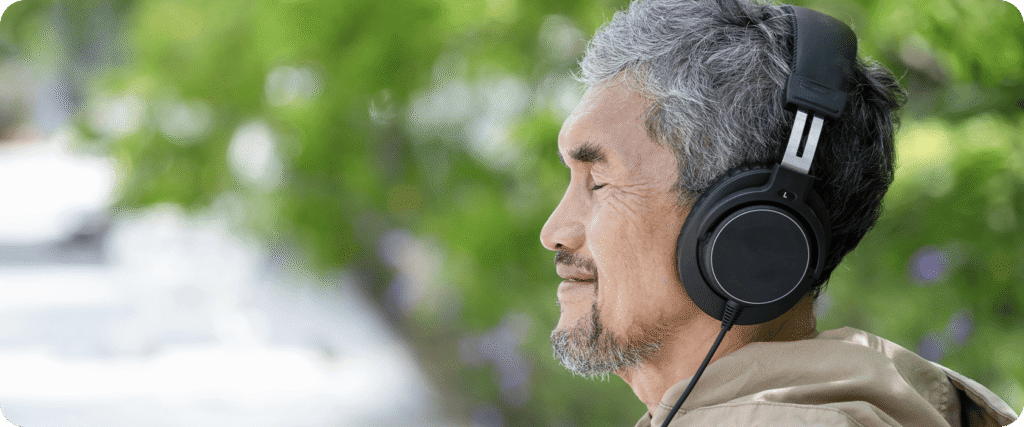
As you shop around, you’ll find many options for headphones compatible with hearing aids. The key is to find the pair that works for your needs and preferences.
Consider these tips for using headphones with hearing aids before picking out a pair:
- Over-ear headphones with large ear cups are often the best headphones for hearing aid users. Look for ear cups described as “generous” or “spacious.” Brands specifically marketed to people with hearing loss often incorporate hearing-aid-friendly designs.
- Wireless neck speakers are another option. These wearable speakers drape around the neck and direct sound upward toward the ears. They don’t touch the ears at all, eliminating fit and feedback issues.
- TV-specific wireless headphone systems designed for hearing loss often accommodate hearing aids better than general consumer headphones. These include features like extra-large ear cups, lightweight construction, and simple controls.
Alternative Solutions When Headphones Aren’t Working
Sometimes, despite best efforts, headphones and hearing aids simply don’t cooperate comfortably. Fortunately, several alternatives help seniors enjoy audio content without headphones.
- Wireless TV listening systems that transmit to a personal speaker work great. You can adjust your volume with a nearby speaker, while others hear the regular TV sound.
- Room loop systems in living areas send sound directly to your hearing aids. Many public places now have these systems, and they are also becoming more common in homes.
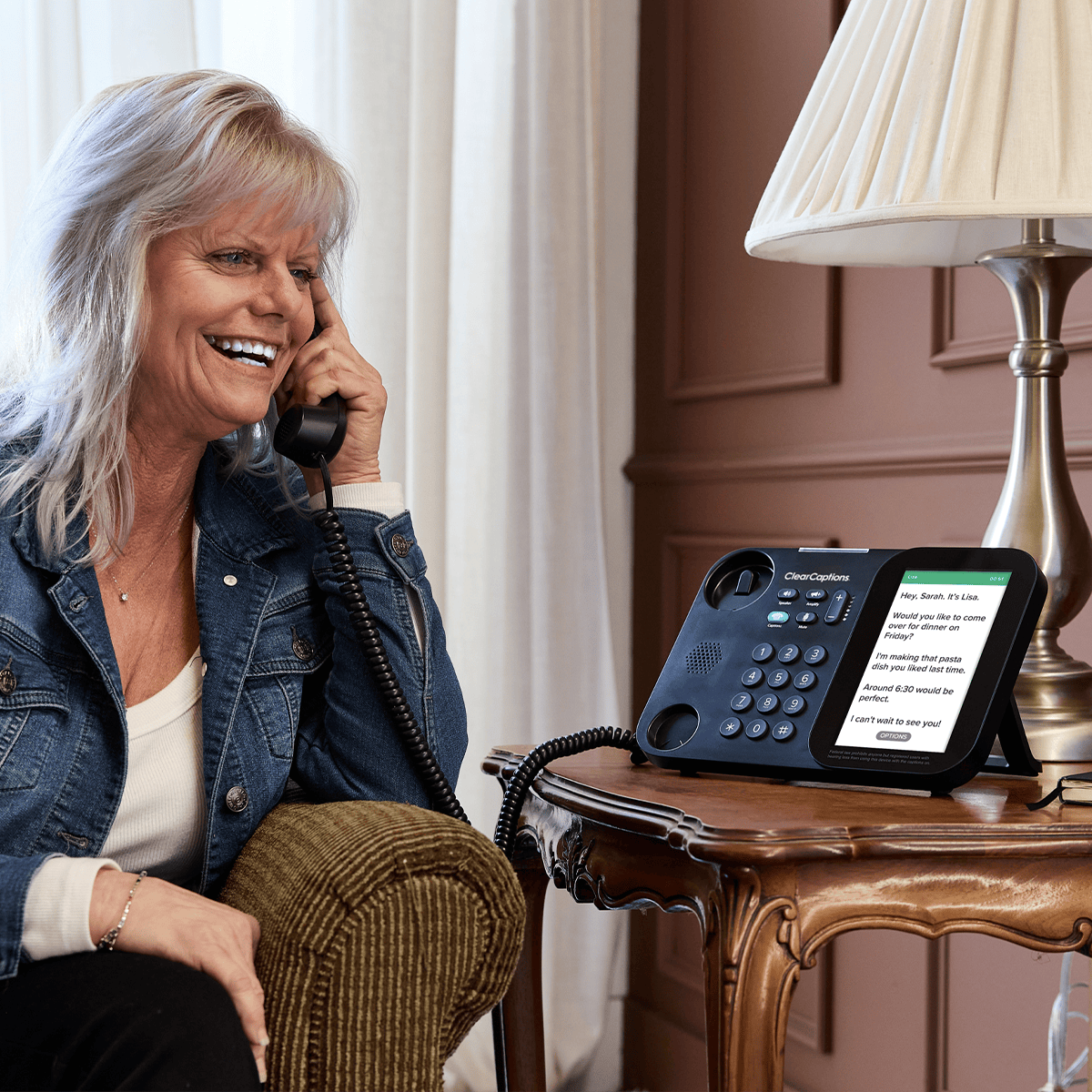
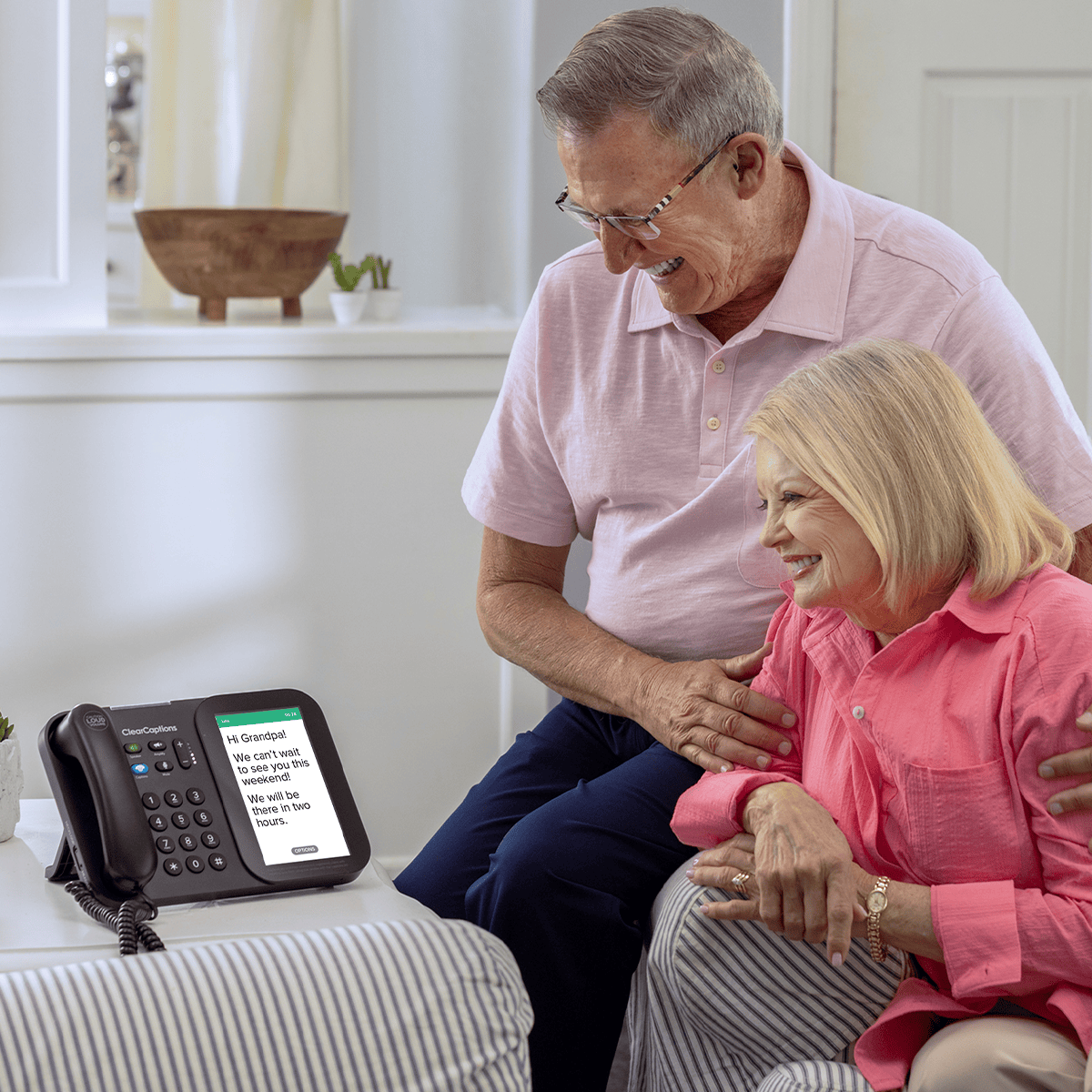
- For phone conversations specifically, caption phones offer superior solutions to headphones. ClearCaptions provides these caption phones to eligible individuals at no cost, offering a combination of visual and audio support to make phone conversations accessible and enjoyable.
How ClearCaptions Supports Better Communication
The ClearCaptions Phone makes communication easy without requiring headphones or adjustments to hearing aids.
Our phones provide word-for-word captions of phone conversations on a large, easy-to-read screen. You can both listen and read what callers say, ensuring that you never miss a word, even if you don’t have the best headphones for hearing aid users.
Frequently Asked Questions
Can you wear over-ear headphones with hearing aids?
Yes, in most cases, over-ear headphones are the best headphones for hearing-aid users. The key is choosing models with large, deep ear cups that create enough space for both your ear and the hearing aid.
Why do my headphones whistle when I’m wearing my hearing aids?
That whistling sound is called feedback, and it happens when the amplified sound from your hearing aid’s speaker is picked up by its microphone, creating a loop. To reduce hearing-aid feedback with headphones, try adjusting the headphones or reducing your hearing-aid volume.
Are Bluetooth headphones better for people with hearing aids?
Bluetooth headphones can work well, but the real game-changer is Bluetooth-enabled hearing aids themselves. Modern hearing aids with built-in Bluetooth receive audio directly from phones, tablets, and TVs, eliminating the need for separate headphones.
What are the best headphones for someone with hearing loss?
The answer depends on whether the person wears hearing aids and what type they use. For hearing aid users, over-ear headphones with large, cushioned ear cups work best.