Creative Hobbies That Keep Seniors Social and Engaged
Key Takeaways
- Creative hobbies for seniors can help combat isolation and loneliness, while also providing cognitive stimulation.
- Skill-building activities, such as gardening and cooking, provide a sense of purpose while fostering community.
- Caregivers can help find the best creative activities for seniors in their communities.
Why Social Creative Hobbies Matter for Senior Health
Creative hobbies for seniors are more than just a way to pass the time; they offer a valuable outlet for self-expression and personal growth. They’re also a fun and engaging way to improve cognitive function, reduce depression rates, and boost physical fitness.
For seniors facing challenges like hearing loss, they also provide a structured setting that can be easier to navigate than casual conversations. The shared activity and reduced pressure of continuous dialogue provide an outlet for those who might otherwise withdraw from social settings due to communication difficulties.
As a caregiver, you play a crucial role in encouraging your loved one to participate in creative activities for seniors. When you help them find enjoyable activities, you also help them establish meaningful routines, achieve a sense of accomplishment, and form vital human connections that contribute to healthy aging.
Arts and Crafts That Build Community
Here are some of the best creative hobbies for seniors.
Group Art Classes and Workshops
Painting, drawing, and mixed-media classes are among the best hobbies for seniors. Typically offered in community or senior centers, these classes accommodate various skill levels, making them accessible to even those who have never considered themselves “artistic.”
Pottery and Sculpting
Working with clay offers unique benefits. The movement of the clay engages sensory perception and fine motor skills, offering cognitive and creative benefits.
Clay work also encourages natural conversation as participants sit around tables working on their projects. The focus on the material creates quiet moments mixed with natural conversation, making it ideal for individuals who find constant talking tiring.
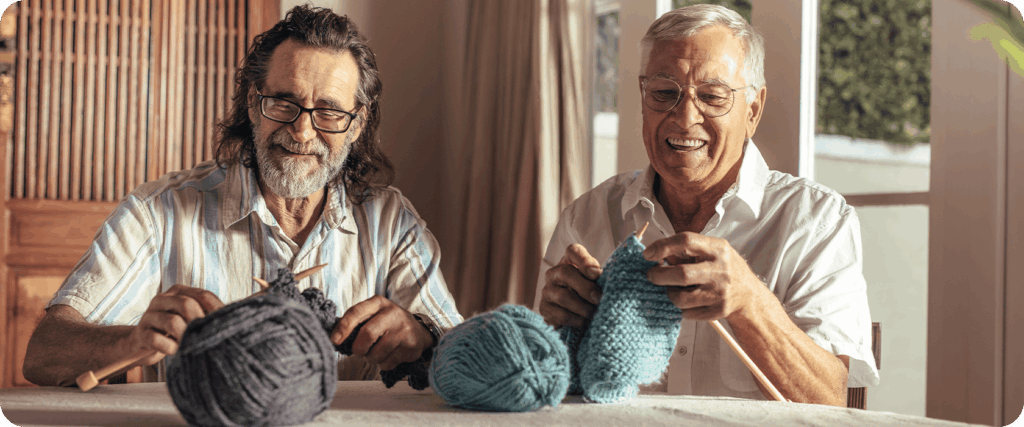
Knitting and Crocheting
Knitting circles and crochet groups combine the meditative aspects of needlework with the warmth of community. The environment also encourages seniors to connect and form deeper friendships.
Some groups will also give back to their community by creating items for hospitals, shelters for those experiencing homelessness, or international relief organizations. This turns a creative outlet into a meaningful contribution that your loved one will be proud of.
Making Communication Easier in Creative Groups
For seniors with hearing challenges, group activities can sometimes feel overwhelming. Assistive technologies, like hearing aids or amplifiers, make them more accessible and enjoyable. Many creative workshops, especially those geared toward seniors, will also provide visual communication support to ensure that the activities are fully accessible to everyone, regardless of hearing ability.
Performance and Literary Arts

Other creative hobbies for seniors include participating in performance opportunities or joining book clubs. These hobbies offer a creative outlet and a supportive community.
Book Clubs and Writing Groups
The meaningful discussions that come from book clubs extend far beyond the benefits of social connection. They also offer the added benefit of cognitive and intellectual stimulation.
Creative writing groups take this a step further. Encouraging seniors to tell their own stories provides an outlet for self-expression while building confidence. Writing has the potential to become a new passion, and families benefit from hearing stories about their loved ones that they may have never heard before.
Music and Singing Groups
Few activities unite people as effectively as music. Choirs and instrumental groups fuel both the brain and the soul. Even for those with limited mobility, participating in music activates multiple brain regions and triggers positive emotional responses.
For seniors with memory challenges, music often remains accessible even when other cognitive functions decline. Familiar songs can trigger memories and provide moments of clarity and connection that might not otherwise be experienced.
Theater and Drama Groups
Senior theater companies are gaining increasing popularity. These unusual hobbies for seniors create strong social circles while also providing cognitive stimulation through memorization and emotional expression.
If the person in your care prefers watching theater over performing, help them find a community center that offers group outings to performances and other cultural experiences.
Hands-On and Skill-Building Hobbies
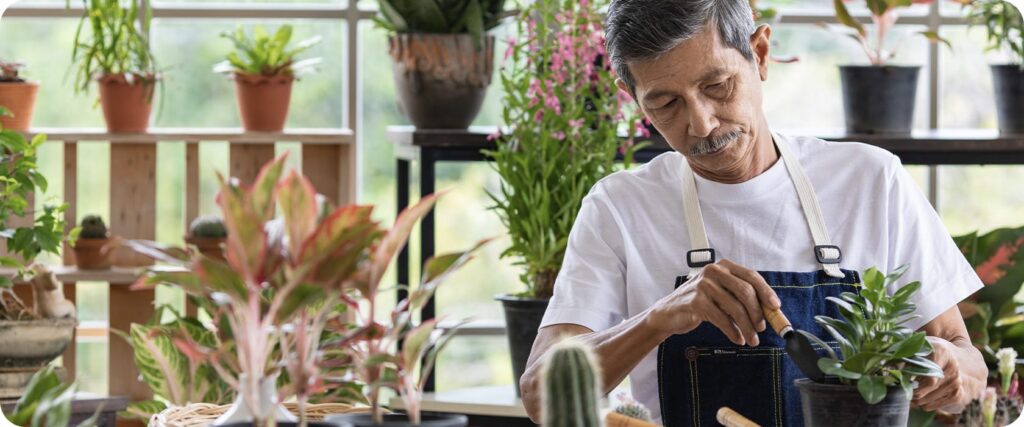
Consider encouraging activities that involve working with their hands if they enjoyed those in the past.
Gardening and Horticulture Groups
Community gardens and plant exchange groups are among the best hobbies for seniors, as they combine physical activity with the satisfaction of nurturing plant life. For seniors with mobility challenges, consider using container gardens or raised beds to make gardening more accessible and manageable.
Volunteering
Service-oriented creative activities for seniors offer a sense of purpose while fostering community connections. Volunteering with an organization like Foster Grandparents or SCORE gives your loved one the opportunity to share their learned wisdom with a new generation while developing new relationships outside their usual social circles.
Cooking and Culinary Arts
Many people enjoy gathering to share their favorite recipes and traditional dishes. That’s why cooking clubs and recipe exchange groups make some of the best hobbies for seniors. It’s a delicious way to find connections and build new support networks.
Finding the Perfect Creative Community
Creative communities are important in every stage of life, but especially for seniors. Help your loved one find the right group by exploring the options at your local senior center, community college, or public library. Many offer trial sessions or drop-in options that allow participants to try new creative hobbies for seniors without making a serious time commitment.
Virtual options have also expanded dramatically, making participation possible even for those with mobility or transportation challenges. Many online social groups are specifically designed for seniors and their interests.
Remember that finding the right creative community often takes time. A class that doesn’t resonate doesn’t represent failure. It’s simply part of the exploration process that leads to finding the perfect fit.