A Caregiver’s Guide to Holiday Safety for Seniors
Key Takeaways
- Holiday safety for seniors requires proactive planning to reduce fall risks, fire hazards, and health emergencies.
- A senior home safety assessment before the holidays can help identify dangers before they become a serious problem.
- Safe decorating means avoiding ladders, securing cords, and choosing stable decorations.
Why Holiday Safety is Critical for Seniors
The holidays create unique challenges for older adults. Busy schedules, houseguests, and decorations disrupt familiar routines. These changes increase the risk of accidents, especially for those who thrive on consistency.
Increased Risk Factors During the Holiday Season
The busy holiday season creates additional risk factors, especially for seniors. Some typical risks include:
- Holiday decorating, such as climbing ladders to hang lights, moving furniture for guests, and lifting heavy decorations
- Fatigue from extended socializing or emotional stress
- Alterations to home layouts to accommodate decorations
- Changes to schedules and routines leading to missed or unusual medication doses
- Winter weather, including colder temperatures and ice on roads and walkways
Common Holiday Accidents Affecting Seniors
While the holiday season can be fun and festive, it can also come with an increased possibility for accidents, such as:
- Increased fall risks due to decorations, extension cords, or winter weather
- Kitchen burns from holiday cooking
- Fire emergencies due to unattended candles, overloaded electrical outlets, dried-out Christmas trees, or cooking fires
- Carbon monoxide poisoning from gas ovens, fireplaces, or space heaters running for extended times
- Cuts from broken ornaments, package opening, and food preparation
Pre-Holiday Home Safety Assessment
Conducting a thorough senior home safety assessment before the holidays can help prevent these accidents. Walk through the home with fresh eyes, looking for hazards that familiar surroundings might hide.
Creating a Room-by-Room Safety Checklist
Start with a home safety checklist for seniors that covers every area. This should include:
- Ensure safe lighting and visibility – Install accessible light switches, nightlights, and good lighting near staircases, hallways, and entryways; mark steps with contrasting tape.
- Clear pathways and reduce hazards – Remove clutter, secure rugs, run electrical cords along walls, and ensure furniture is stable.
- Maintain bedroom safety essentials – Keep a phone, flashlight, and emergency contact list next to the bed.
- Verify structural safety – Check that lighting is adequate, pathways are clear, and furniture/rugs are secure throughout living areas.
- Document maintenance needs – Note any necessary repairs identified during safety checks.
Lighting and Visibility Improvements
Safety tips for seniors often emphasize the importance of adequate lighting throughout the home. Installing brighter bulbs or adding motion-sensor nightlights in hallways, bathrooms, and bedrooms can help improve lighting and reduce risks.
You should also keep flashlights in strategic areas around the home, just in case a winter storm knocks out the power. This will help calm any anxiety while also improving visibility.
Decluttering and Clear Pathways
As you prepare your list of holiday safety tips, don’t forget to declutter and clear pathways by:
- Removing unnecessary furniture
- Organizing items seniors use daily within easy reach
- Eliminating clutter, such as stacks of newspapers, piles of laundry, and collections of items
- Securing or removing loose rugs
- Organizing electrical cords or using a cord management system
Safe Holiday Decorating for Seniors
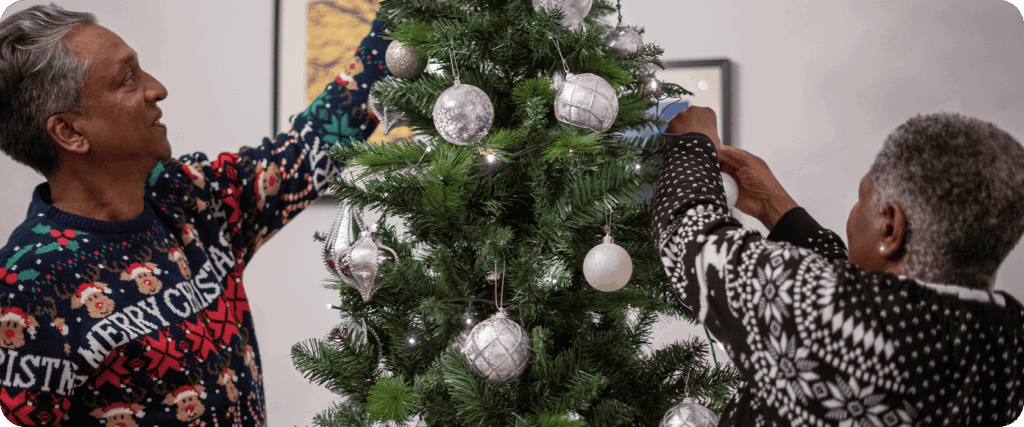
Holiday decorations bring cheer but can also create hazards. Safe decorating requires thoughtful planning and assistance.
Seniors should never use ladders alone. Hanging lights, topping trees, and decorating high spaces require help from younger family members. Even small step stools can be dangerous for those with balance issues.
You should also ensure that all decorations, including Christmas trees, are properly secured. Avoid placing fragile items where they might fall and shatter.
Preventing Kitchen Accidents
One of the best parts of the holidays is the delicious food, but holiday cooking can increase the risk of kitchen accidents and fall hazards. Whether your loved one enjoys baking delicious cookies or making hearty meals, encourage them to use timers for everything and wear clothing with tight-fitting sleeves to avoid accidents.
Keeping flammable items, such as dish towels, pot holders, or paper products, away from the stove and only using pot holders or oven mitts if they’re in good condition are other great ways to avoid accidents.
Being proactive by keeping a fire extinguisher in the kitchen or cleaning up spills immediately will also help prevent kitchen accidents this holiday season.
Fall Prevention Strategies
Falls cause the majority of senior injuries. Focus on preventing fall risks this holiday season by installing grab bars in strategic locations, like bathrooms, bedrooms, and hallways.
You can also encourage your loved one to wear supportive shoes, instead of slippers or socks, around the house. Using assistive devices, such as canes or walkers, can also help improve mobility.
Regular vision, hearing, and health checkups can also help prevent falls. Poor vision and hearing affect balance and awareness. You can also use this time to review medications and dosages to ensure your loved one is as happy and healthy as can be.
Fire Safety Essentials
Did you know that house fires peak during the holiday season? That’s why so many holiday safety guides for seniors include fire prevention and preparedness.
Ensure you’re prepared for the busy season by installing smoke and carbon monoxide detectors on every floor. Be sure to test them monthly and replace their batteries at least twice a year.
If space heaters are used to stay warm, ensure they maintain at least three feet of clearance around them and never leave them running unattended.
Medication Management and Health Safety
Holiday disruptions shouldn’t affect medication routines. Stay on schedule with the help of phone alarms and pill organizers.
Be sure to share an updated medication list with family members who might need it during emergencies. This list should include all medication names, dosages, and the names of the prescribing doctors.
Staying hydrated and being mindful of alcohol consumption during holiday gatherings can also help reduce medication risks and maintain medication effectiveness.
Creating a Safe Home Environment
The best way to be safe this holiday season is to maintain a safe home environment year-round. Follow these safety tips for seniors to get started:
- Arrange furniture to create wide, clear pathways
- Label medications and household products clearly
- Install lever-style door handles instead of knobs
- Setup easy-to-use communication devices, such as caption phones, so seniors can easily call for help when needed
Bathroom Safety: A Critical Focus
Bathrooms present major fall risks. Wet surfaces and quick movements create dangerous combinations.
Installing items such as grab bars, non-slip mats, adequate bathroom lighting, and raised toilet seats can help prevent many falls and associated health risks. Keeping the space clean and dry will also help keep seniors safe in their homes.
Holiday Safety Considerations
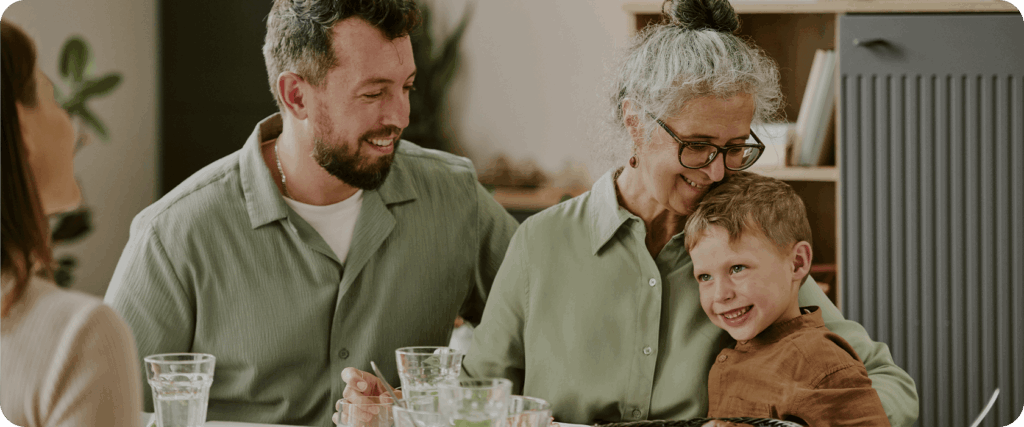
You should also consider how to best manage guests during the holidays. Incredibly busy households can create confusion and additional hazards.
Limit the number of simultaneous visitors and brief them about your safety considerations. Large crowds overwhelm seniors, creating chaotic environments where accidents are more likely to occur.
Always remember to schedule rest periods. Holiday exhaustion is a real concern, so ensure seniors get regular breaks from socializing and other activities.
Staying Warm and Comfortable
Winter’s cold temperatures can pose significant health risks, especially for seniors who struggle to maintain their body temperature.
Help them stay safe and warm by keeping their indoor temperatures at a minimum of 68-70 degrees. Seniors are more susceptible to hypothermia than younger adults, so encourage them to dress in layers and use space heaters when necessary.
Preventing Winter Hazards
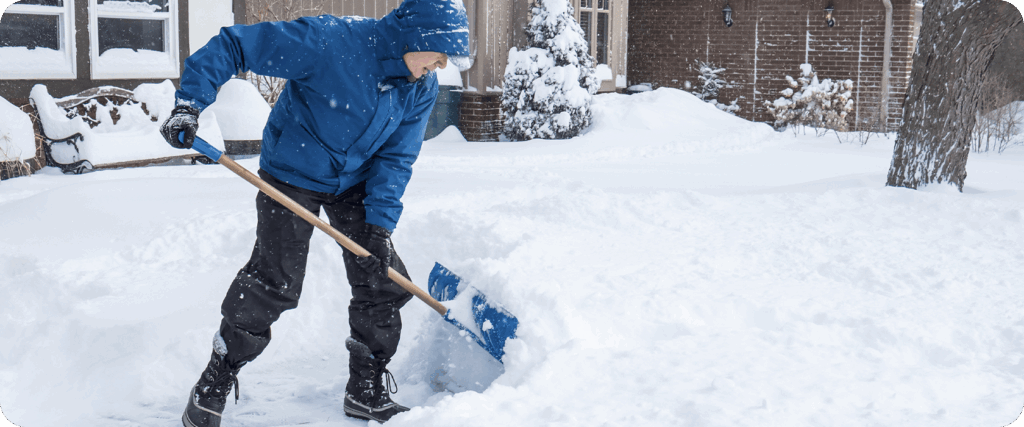
Everyone knows that snow and winter conditions can cause some serious issues. Make sure your holiday safety tips address weather-related risks, such as:
- Clearing walkways of snow or ice immediately
- Installing outdoor handrails on steps and walkways
- Improving outdoor lighting with motion-sensor lights
You can also encourage them to stay inside during bad weather and postpone non-essential errands when conditions are dangerous.
Post-Holiday Safety Considerations
Safety shouldn’t end after the celebrations are over. Here are some post-holiday safety tips to help keep their home as safe as possible:
- Remove decorations carefully and help pack them away
- Return all furniture to its original place to restore a familiar layout
- Throw away wrapping paper and boxes immediately so they don’t become tripping hazards
- Check that all holiday lights and appliances are unplugged and properly stored
Frequently Asked Questions
How can I make my elderly parents’ home safer for the holidays?
Conduct a senior home safety assessment before celebrations begin. Walk through the home looking for tripping hazards, poor lighting, and obstacles in walkways. Remove all clutter and install brighter lighting. You should also help them with holiday decorating so they aren’t tempted to do dangerous things like climb ladders or attempt to reach high places.
How can I make holiday decorations safer for an elderly person with limited mobility?
You don’t have to trade your holiday spirit for safety. Instead, focus decorations in easily accessible areas. Concentrate on tabletops, mantels, and walls rather than high places that require ladders or floor areas that create tripping hazards.
What are the most common holiday safety hazards for seniors?
Falls represent the biggest danger. Kitchen accidents, fire hazards, and medication errors are other holiday safety concerns caregivers need to be aware of.
How can I tell if my elderly parents’ home is a fall risk?
Walk through the home, conducting a home safety checklist for seniors. Look for signs like dim lighting, loose rugs, or clutter on the floor. Also consider uneven flooring, loose carpet, or damaged floor surfaces. Fixing these issues can make your parents’ home safer.