How Hearing Loss Impacts Mental Health


Key Takeaways
- Untreated hearing loss can lead to social isolation, anxiety, and depression in older adults.
- Nearly 40% of people with age-related hearing loss experience significant anxiety, and hearing loss raises the risk of depression by roughly 35% compared to people without hearing loss.
- Social withdrawal is one of the most serious effects of hearing loss. When phone calls and conversations feel like a struggle, many people gradually stop participating in daily life.
- Staying connected matters for brain health. Research shows that treating hearing loss early reduces the risk of cognitive decline by nearly half in older adults.
- Hearing aids, cochlear implants, assistive listening devices, and the ClearCaptions Phone can all help you stay in the conversation.
Many of us experience hearing loss as we get older, but that doesn’t make it any easier to deal with. Constantly nodding along when you didn’t catch the sentence, straining to hear over the phone, or asking a loved one to repeat themselves again and again becomes exhausting. Over time, all that extra effort wears on your ability to stay connected to the people who matter most.
This article explains how hearing loss can affect mental health, why those changes happen, and what can help. When you know what to look for and what options are available, it can feel easier to take the next step toward protecting yourself.
The Emotional Effects of Hearing Loss

Hearing loss rarely just affects your ears; it can reshape your day-to-day life. When hearing slips, normal speech can suddenly sound like mumbling, turning everyday conversations into high-effort listening tasks. Phone calls that once brought joy and connection can leave you feeling drained and frustrated.
When communicating takes up this much energy, pulling back often feels like the easiest way to cope. You might find yourself staying quiet at family dinners, skipping phone calls, or letting someone else answer when the phone rings. While it’s a completely understandable change in behavior, isolating yourself can impact your mental health and emotional well-being. Recognizing this pattern, however, is the first step toward getting back to the moments and people you love.
Anxiety
Nearly 40% of people with age-related hearing loss experience ongoing anxiety at roughly 1.8 times the rate of people without hearing loss. That stress often comes from working so hard to catch every word. Trying to follow a conversation in a noisy room, worrying about missing something at a doctor’s appointment, or feeling unsure on a phone call can leave you feeling tense and worn out.
Depression
Research shows that people with untreated hearing loss are roughly 35% more likely to experience depression than those who hear well. When conversations become harder, people often take part in fewer activities and spend less time with others. This can lead to loneliness, which directly affects emotional health as we age.
Trouble sleeping
Tinnitus is a ringing, buzzing, or humming sound in the ears that can come with hearing loss. It may be especially noticeable at night, when the house is quiet and there are fewer distractions. When sleep suffers, everyday stress can feel harder to manage, which can affect both mood and energy. For more on how hearing and sleep affect each other, see our article on sleep problems and hearing loss.
Memory and brain health
We often think hearing happens only in the ears, but the heavy lifting is actually done by the brain. When hearing loss goes untreated, your brain has to work overtime just to piece together missing sounds. This extra effort, what experts call “cognitive load,” drains mental energy away from memory, focus, and clear thinking.
When you add social isolation to the mix, the rate of cognitive decline can speed up. This connection was made clear in a massive review of 50 studies involving 1.5 million people, which linked untreated hearing loss directly to an increased risk of dementia. But there is reassuring news: landmark research shows that using hearing aids can cut the risk of cognitive decline nearly in half for at-risk older adults. The biggest takeaway here is that taking care of your hearing can also protect your memory and brain health.
What Causes Hearing Loss?
Most people will experience some level of hearing loss as they get older. Knowing what may be causing those changes can help you decide what to do next.
Hearing loss due to age
Age-related hearing loss happens gradually as the tiny hair cells inside the inner ear wear down over time. These hair cells convert sound into signals your brain can process, and they do not grow back once damaged. This type of hearing loss is permanent, but it is very manageable with the right support.
Hearing loss due to noise exposure
Years of working around loud equipment, listening to high-volume audio, or spending time in loud environments can damage inner-ear hair cells over time. This type of hearing loss often comes with tinnitus as well.
Health-related hearing loss
Everyday health factors can also affect how well you hear. A buildup of earwax is a common and easily corrected cause. Ear infections, high blood pressure, and certain medications can all have an effect on hearing. If your hearing has changed alongside a new diagnosis or a change in medication, make sure to mention it to your doctor.
Signs it may be time for a hearing exam
Common signs of hearing loss include trouble following conversations in groups or busy places, asking loved ones to repeat themselves often, turning the TV volume higher than others prefer, missing higher-pitched sounds like doorbells, and noticing a constant ringing or buzzing in your ears. If any of these signs sound familiar, schedule a hearing exam with an audiologist.
How to Manage Hearing Loss

Hearing loss can be managed, and there are several options that can help you stay connected, confident, and independent.
Hearing aids
Hearing aids amplify sound and make speech clearer in everyday settings. Today’s devices are small, comfortable, and easy to use, with options like rechargeable batteries and connections to your mobile phone. An audiologist can fit a device specifically to your hearing needs. Over-the-counter hearing aids approved by the FDA are also available for mild to moderate hearing loss at a lower cost than prescription devices.
Cochlear implants
For severe hearing loss where hearing aids provide limited benefit, cochlear implants offer another path. These surgically implanted devices bypass the damaged parts of the inner ear and stimulate the auditory nerve directly, allowing the brain to perceive sound. An ear specialist can evaluate whether this option fits your situation.
Assistive listening devices and the ClearCaptions Phone
Assistive listening devices help make sound clearer in specific environments, such as TV amplifiers for your living room or loop systems for large gathering spaces like churches or meeting halls.
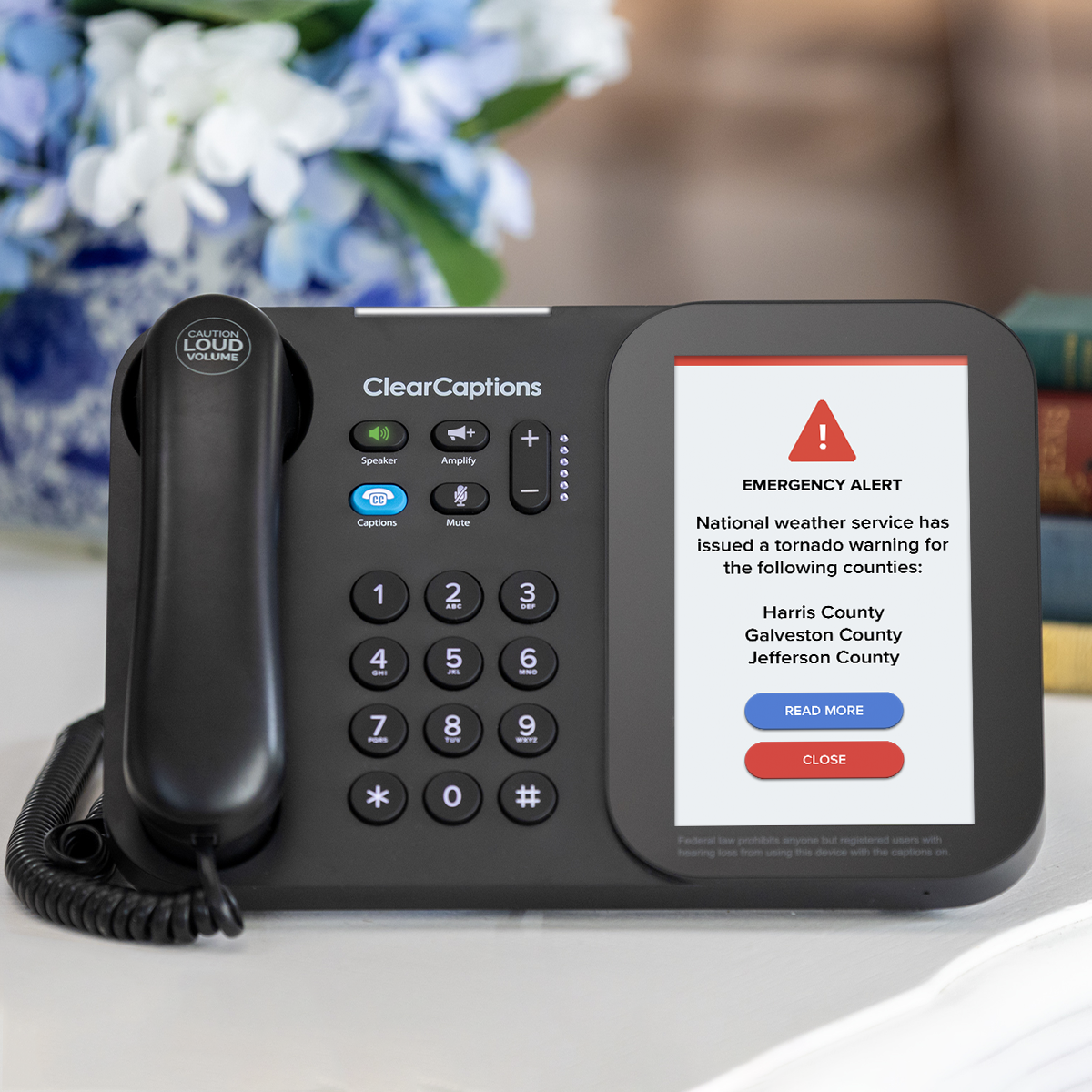
For phone calls, the ClearCaptions Phone can make it easier to keep in touch with family, friends, and doctors. As you talk, captions of what your caller says appear on a large, easy-to-read screen, so you can read along while you listen. If you have started avoiding calls because they are hard to follow, this kind of support can make daily conversations feel easier again.
The ClearCaptions Phone and captioning service are available at no cost to qualified individuals through a federally managed program. To find out if you qualify, call 1-866-996-1498 or visit clearcaptions.com/sign-me-up.
Hearing loss does not have to mean stepping away from the people and conversations that matter to you. With the right tools and support, it’s possible to feel more confident, more connected, and more present within your day-to-day life.
Frequently Asked Questions
Can hearing loss cause depression?
Yes. People with untreated hearing loss are roughly 35% more likely to experience depression than those with normal hearing. When conversations become too difficult, many people pull back from social activities, which deepens loneliness and raises depression risk.
Does treating hearing loss support brain health?
Yes. When hearing loss goes untreated, the brain works harder to process speech, leaving fewer resources for memory and focus. A large randomized trial found that hearing aids reduced cognitive decline risk by 48% in older adults with untreated hearing loss. Staying socially connected through clear communication also supports long-term brain health.
What is tinnitus?
Tinnitus is a ringing, buzzing, or humming sound in the ears when no outside sound is present. It often happens along with hearing loss and can make sleep and concentration more difficult. Learn more in our article on sleep problems and hearing loss.
What are the early signs of hearing loss?
Common signs include difficulty following conversations in noisy settings, frequently asking others to repeat themselves, turning the TV up louder than others prefer, and noticing persistent ringing or buzzing in the ears. A hearing exam with an audiologist is a good next step if these sound familiar.
What is a caption phone?
A caption phone is a home phone designed for people with hearing loss. It displays captions of what your caller is saying on a built-in screen as you talk, so you can read along with every word. The ClearCaptions Phone is available at no cost to qualified individuals with hearing loss through a federally managed program.