Sleep Problems and Hearing Loss: What You Need to Know

Key Takeaways
- Sleep apnea and hearing loss are connected through reduced blood flow to the inner ear
- Common sleep issues for seniors include insomnia, sleep apnea, and circadian rhythm changes
- Hearing aids should generally not be worn while sleeping for comfort and device longevity
- Addressing both sleep problems and hearing health improves overall well-being
Sleep and hearing health share a connection that many people don’t realize exists. If you’re experiencing difficulties with either sleep or hearing, understanding how they relate to each other can help you take better care of both. As we age, changes in sleep patterns become more common, and these changes can affect our hearing in surprising ways. Learning what can cause sleeping issues and how they connect to hearing loss is an important first step toward better health.
What Can Cause Sleeping Issues for Seniors?
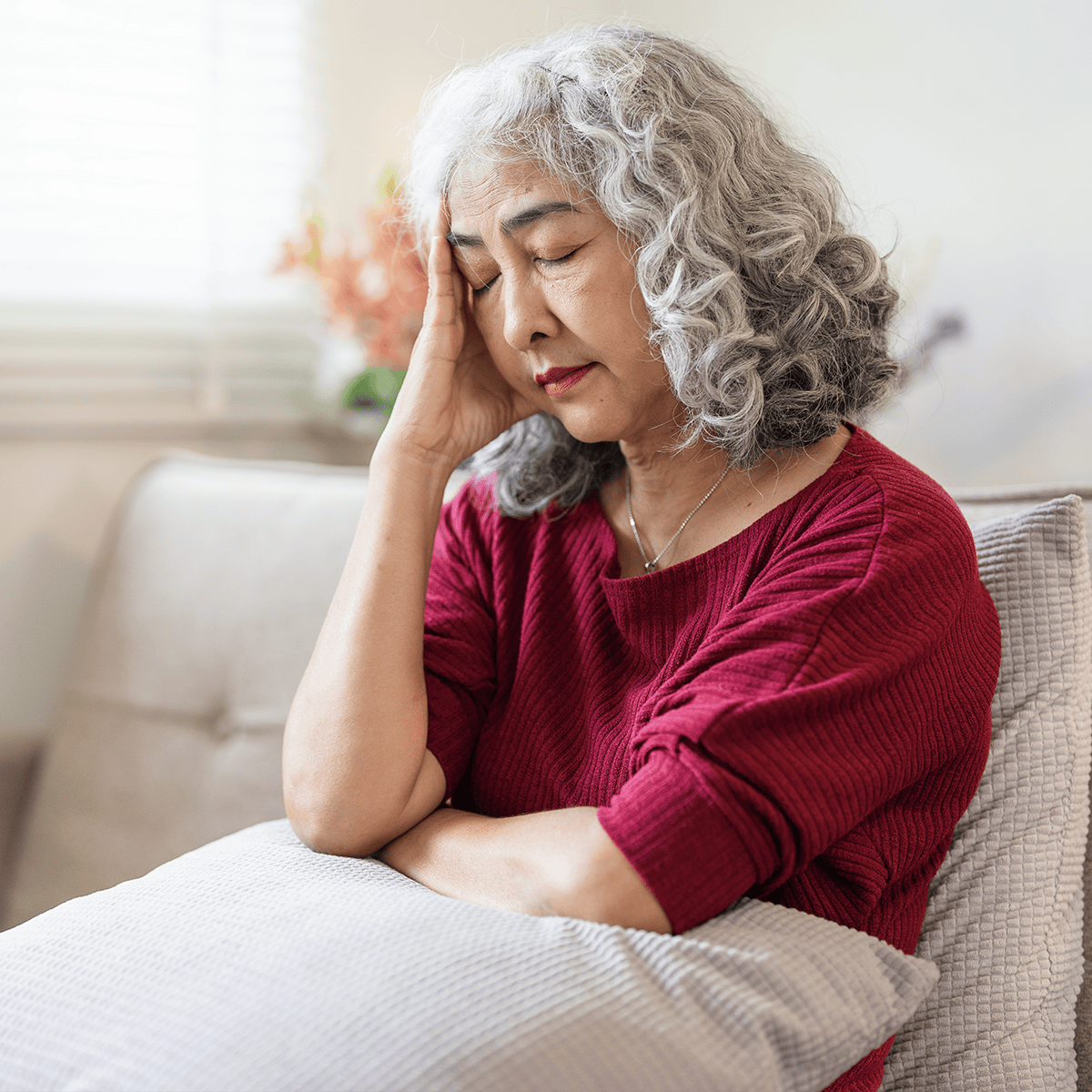
Sleep problems affect up to 50% of seniors. Understanding what can cause sleeping issues helps you identify solutions and know when to seek help.
Common causes include:
- Age-related changes: Less time in deep sleep, more time in light sleep stages, and more frequent nighttime awakenings
- Medical conditions: Chronic pain, arthritis, heart disease, diabetes, and frequent nighttime bathroom trips
- Medications: Some antidepressants, decongestants, and blood pressure medications can interfere with sleep
- Mental health: Depression and anxiety make it harder to fall asleep or stay asleep
- Poor sleep habits: Irregular bedtimes, too much daytime napping, evening caffeine or alcohol
- Circadian rhythm shifts: Your internal clock changes with age, making you tired earlier and waking you earlier
Can Sleep Apnea Cause Hearing Problems?
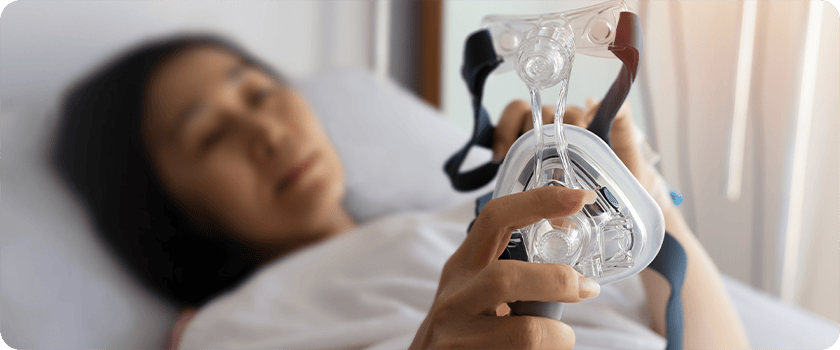
Research shows a connection between sleep apnea and hearing loss. Many seniors ask, “Can sleep apnea cause hearing problems?” While the relationship isn’t simple cause-and-effect, the two conditions share important links that can significantly impact your health.
Sleep apnea causes repeated pauses in breathing during sleep. These breathing interruptions reduce oxygen levels in your blood. Your inner ear contains delicate hair cells that need steady oxygen-rich blood flow to work properly.
When sleep apnea repeatedly reduces oxygen throughout the night, it can damage these sensitive structures through oxidative stress, inflammation, and reduced blood flow that limits nutrient delivery to the ear.
A 2016 study of more than 16,000 participants found significant connections. People with sleep apnea had 26% higher odds of high-frequency hearing loss, 127% higher odds of low-frequency hearing loss, and 29% higher odds of combined-frequency hearing impairment compared to those without sleep apnea.
Additionally, years of exposure to loud snoring can contribute to noise-induced hearing loss. The severity matters: moderate sleep apnea affects high-frequency hearing and speech understanding, while severe sleep apnea impacts hearing across all frequencies.
Treating sleep apnea with CPAP therapy can prevent further hearing damage, though it typically won’t reverse existing hearing loss. This makes early detection and treatment of both conditions important.
Understanding the Connection Between Sleep and Hearing Loss
The connection between sleep and hearing works both ways. Sleep problems can worsen hearing difficulties, and hearing loss can interfere with quality sleep. Many people wonder, “Can sleep apnea cause hearing problems?” The answer involves understanding how these conditions influence each other.
When you don’t sleep well, your brain works less efficiently. This makes it harder to process sounds and follow conversations, especially in noisy environments. Fatigue also makes it difficult to concentrate on what people are saying.
Conversely, hearing loss can create sleep difficulties. The stress and mental fatigue from straining to hear throughout the day can make it harder to fall asleep at night. Tinnitus (ringing in ears) becomes more noticeable in quiet nighttime environments and can keep you awake.
Can You Sleep With Hearing Aids?
Many people wonder, “Can you sleep with hearing aids?” While you might think keeping hearing aids in at night would help you hear important sounds like alarms, audiologists and hearing aid manufacturers generally recommend removing hearing aids before sleeping. Here’s why:
- Comfort: Hard materials press uncomfortably into your ear when lying on your side
- Device damage: Hearing aids can fall out, get lost in bedding, or create feedback noise
- Battery drain: Nighttime is the ideal time to charge or conserve battery life
- Ear health: Your ears need time to breathe; extended wear can trap earwax and cause infections
Your proper nighttime routine should include wiping them clean with a soft, dry cloth, opening the battery door for non-rechargeable models to allow moisture to evaporate, and storing them in a dehumidifier or drying container (or placing rechargeable models in their charging station).
What about safety concerns?
If you worry about not hearing alarms at night, several solutions exist. Specialized alert systems designed for people with hearing loss provide loud sounds, flashing lights, or bed-shaking vibrations when detecting smoke alarms, doorbells, or phone calls. Smart home systems can also create visual or tactile alerts.
If you accidentally fall asleep with your hearing aids in, don’t panic. Occasional overnight wear won’t cause immediate damage. Simply remove them when you wake, clean them properly, and avoid making this a regular habit.
Improving Both Sleep and Hearing Health
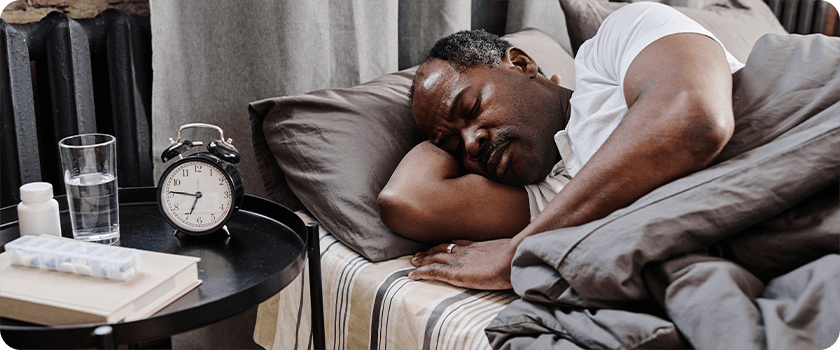
Taking care of both your sleep and hearing health creates positive effects that reinforce each other. If you wear hearing aids, remember that you shouldn’t sleep with hearing aids in at night, as proper device care supports both your ear health and sleep quality.
If you snore loudly, gasp for air during sleep, or feel excessively tired during the day, talk to your doctor about sleep apnea. A sleep study can diagnose the condition, and treatment with CPAP therapy can protect both your overall health and your hearing.
Maintain good sleep hygiene by keeping consistent sleep and wake times, creating a cool and dark bedroom, and limiting evening caffeine and alcohol. Regular exercise helps promote better sleep, though avoid vigorous activity close to bedtime.
Get annual hearing tests to detect changes early, when hearing care solutions work most effectively. Work with your healthcare team to control chronic conditions like diabetes, high blood pressure, and heart disease, as these affect both sleep quality and hearing health.
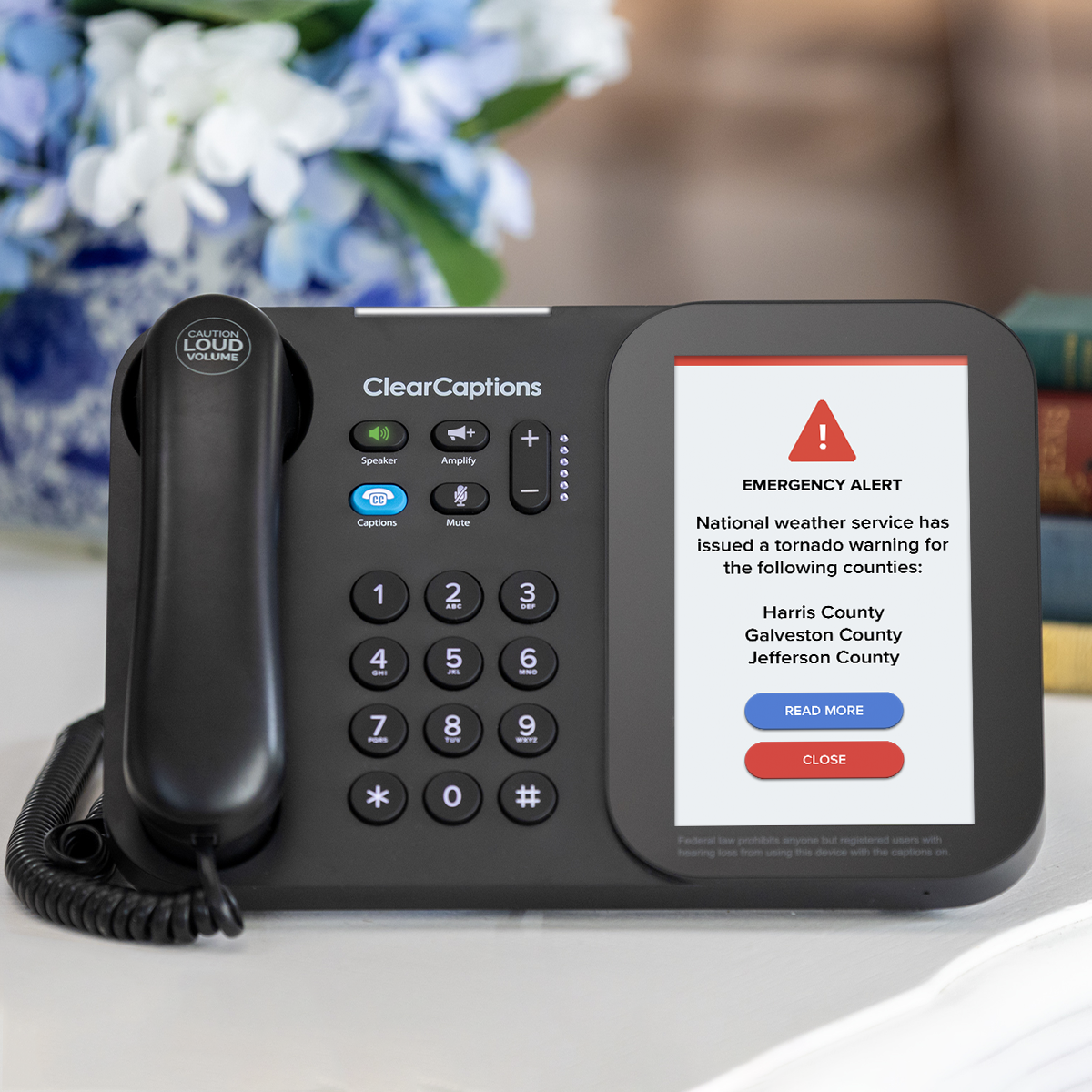
The ClearCaptions Phone provides an additional tool for clear communication, displaying captions of what callers say so you never miss important conversations with family, friends, or healthcare providers.
When to Seek Professional Help
Consult healthcare providers when sleep problems or hearing difficulties persist. Understanding what can cause sleeping issues helps you have informed conversations with your doctor about potential solutions.
Warning signs for sleep problems:
- Regularly taking more than 30 minutes to fall asleep
- Waking multiple times nightly and having trouble falling back asleep
- Feeling unrefreshed despite adequate time in bed
- Daytime sleepiness that interferes with activities
Warning signs for hearing concerns:
- Frequently asking people to repeat themselves
- Difficulty following conversations in noisy settings
- Needing higher TV or radio volume than others find comfortable
- Noticing ringing or buzzing in your ears
Your primary care physician can coordinate referrals to sleep specialists and audiologists. Addressing both conditions together often yields better results than treating either one alone.
Frequently Asked Questions
Can sleep apnea cause hearing problems?
While sleep apnea doesn’t directly cause hearing loss, research shows a strong association between the two conditions. Sleep apnea reduces oxygen-rich blood flow to the inner ear, which can damage the delicate hair cells responsible for hearing over time. People with sleep apnea have significantly higher rates of hearing loss compared to those without the condition. Treating sleep apnea can prevent further hearing damage.
Should I wear my hearing aids while sleeping?
No, audiologists generally recommend removing hearing aids before sleeping. Sleeping with hearing aids can cause discomfort, increase earwax buildup, drain batteries unnecessarily, and risk damaging the devices. Your ears need time to rest and breathe. If you’re concerned about hearing important sounds at night, consider specialized alert systems that provide visual or vibrating notifications instead.
What can cause sleeping issues in older adults?
Multiple factors contribute to sleep problems in seniors. Age-related changes reduce deep sleep and make you wake more easily. Medical conditions like chronic pain, heart disease, and the need to urinate frequently disrupt sleep. Some medications have stimulating effects. Depression, anxiety, poor sleep habits, and natural shifts in circadian rhythms also commonly cause sleeping issues. A healthcare provider can help identify specific causes and recommend appropriate treatments.
Does treating sleep apnea improve hearing loss?
Treating sleep apnea with CPAP therapy or other interventions can prevent further hearing damage by restoring normal oxygen levels during sleep. However, treatment typically won’t reverse hearing loss that has already occurred. This makes early detection and treatment of sleep apnea important for protecting your hearing health and preventing additional damage.