The Power of Music: Supporting Hearing and Memory in Older Adults

Key Takeaways
- There are many benefits of music therapy for seniors, including improving mood and reducing anxiety.
- Familiar songs can trigger positive memories and help those with dementia connect to their past.
- Listening to music can help protect hearing health.
- No musical talent is needed to help seniors benefit from music.
How Music “Tunes Up” the Aging Brain
Music has a special kind of magic. It can evoke a range of emotions, from happiness and excitement to sadness and calm. Music for seniors is about more than just being entertained. It can also serve as a powerful tool to enhance memory, hearing, and overall well-being.
When seniors listen to familiar songs, something wonderful happens in their brains. Even those who struggle to remember recent events may suddenly recall the lyrics to songs from their youth.
In addition to stirring up memories, listening to music can also help:
- Improve focus and attention
- Boost mood and reduce feelings of depression
- Lower stress and anxiety levels
- Help with physical movement and coordination
- Promote better sleep
Music therapy for seniors doesn’t have to be complicated. Even simple activities, such as listening to favorite songs for 30 minutes a day, can make a significant difference in understanding and protecting their hearing health.
Music’s Role in Combating Memory Loss

One of the most remarkable benefits of music therapy for seniors is its ability to enhance memory. This is especially true for those with dementia or Alzheimer’s disease. Music from a person’s youth (ages 15-25) tends to stick in their memory better than anything else.
Even if your loved one struggles with everyday conversation, listening to familiar or favorite songs can help them:
- Remember lyrics and sing along
- Recall details about their past connections to the music
- Show improved mood and awareness
- Communicate more clearly for a while after the music stops
Since music-related memories are stored in parts of the brain that are less affected by memory loss, music therapy for dementia is incredibly valuable. Even in late stages of memory loss, people often respond to music when other approaches fail. This provides caregivers with a way to connect when words alone are insufficient.
The Surprising Link: Music and Hearing Health
As a caregiver, you’ve probably noticed that sometimes the person in your care struggles with their hearing. This is incredibly common.
While music can’t fix hearing loss, it may help in several ways:
- Brain training: Music helps the brain practice making sense of sounds, working the muscles in the brain.
- Sound awareness: Regular music listening keeps hearing pathways active and engaged.
- Background noise practice: When music involves different instruments, it forces the brain to separate important sounds from background noise, which is a common challenge for those with hearing loss.
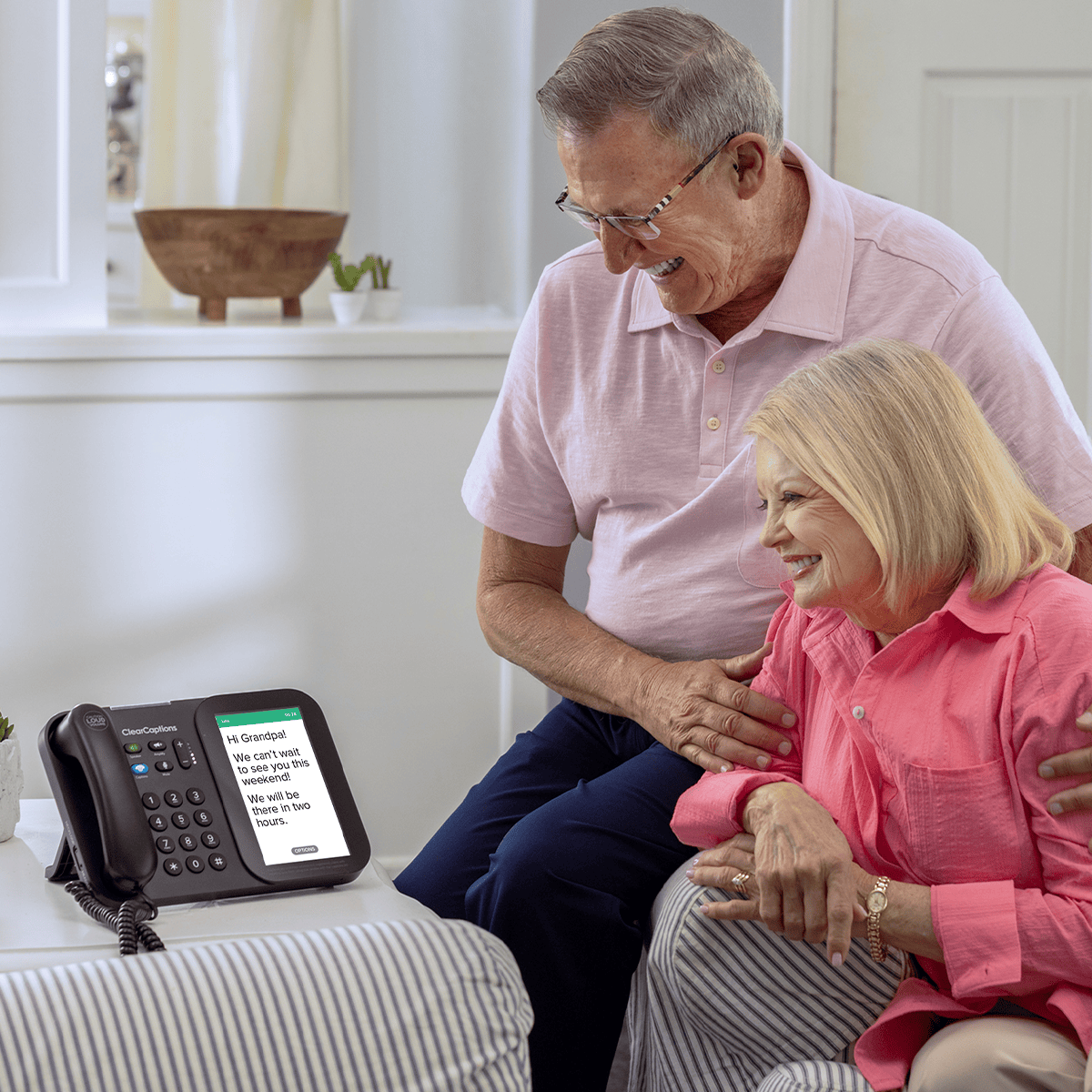
- Motivation for hearing devices: Seniors who enjoy music may be more likely to use hearing aids or caption phones so they can fully enjoy music and conversations.
Practical Music Activities for Caregivers
The best part about music for seniors is that it doesn’t take much to be successful. Even if you aren’t a music teacher or have any special musical talents, you can still help the person you care for experience the benefits of music therapy.
Creating Personalized Music Playlists
Create a playlist of familiar music that could bring back memories, even if they can’t recall the songs right away. Ask about the types of music they enjoyed in their teens and twenties, and include songs from important life moments, like weddings. The goal is to include tunes that might spark memories or simply provide comfort.
Load these playlists onto an easy-to-use device and play them during challenging times of day, before difficult activities, or when their mood needs a lift.
Simple Music Exercises for Daily Routines
Add music activities like the ones below to your daily routine:
- Morning music: Start the day with upbeat, energetic songs
- Mealtime melodies: Play calm music during meals
- Movement music: Use rhythmic songs during walking or gentle exercise
- Bath time tunes: Create a spa-like setting with soothing music
- Bedtime lullabies: Soft, slow music can help signal the brain that it’s time to rest
Match the music’s energy to what you want them to feel. Fast music can increase energy. Slow music can help calm and relax the mind.
Group Music Activities and Social Engagement
Use music during the following group activities to blend the benefits of music therapy for seniors with the benefits of social engagement:
- Have sing-along sessions with familiar songs
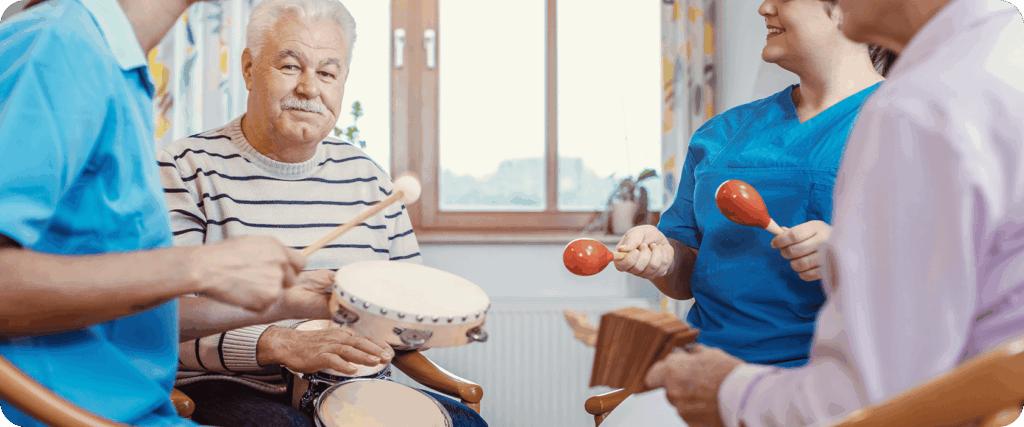
- Encourage simple rhythm activities using drums, shakers, or just clapping
- Watch musical performances or movies together
- Play “Name That Tune” games to jog your senior’s memory
- Find local live music that your loved one might enjoy (Be sure to protect their hearing if you attend an in-person concert)
These activities can be done with just you and your loved one. They can also take place in a larger setting, such as at a senior center, a library, or during a family gathering.
Implementing Music Programs in Senior Care

You don’t need a formal therapy program to see results. Even playing music daily can make a big difference in quality of life:
- Start small: Begin with just 15-30 minutes of music daily
- Be consistent: Regular music sessions work better than occasional ones
- Watch for reactions: Notice which songs bring joy and which might cause sadness
- Involve your loved one: Let them choose music when possible
- Use quality speakers: Make sure the sound is clear enough to hear details
- Keep volume appropriate: Not too loud, but loud enough to hear clearly
Music offers a unique way to support seniors with hearing or memory challenges. It bypasses many barriers and speaks directly to the heart and mind.
When you add music to your caregiving toolkit, you’re offering a powerful connection to memories, emotions, and better brain health. So, turn up the tunes and experience the benefits of music for seniors!