How Caregivers Can Better Communicate with Seniors Who Have Hearing Loss


Key Takeaways
- Learning how to communicate with a hearing-impaired person can lessen stress and improve daily tasks.
- There are many tools and strategies to improve senior and caregiver communication.
- Seeking a professional opinion, such as a hearing evaluation, can improve a senior’s quality of life if they are experiencing hearing loss.
What Caregivers Need to Know About Senior Hearing Loss
While many caregiving tips focus on the physical aspects of the job, caregiving can also take an emotional toll. Caregiver communication is vital to building a positive relationship with your loved one, which can help significantly improve your mental health and overall quality of life.
9 Proven Strategies for In-Person Conversations with Hard-of-Hearing Seniors
Some people think that improving caregiver communication is just about speaking louder. However, communicating with seniors is much easier when you incorporate a series of small changes.
Here are nine tips to improve your communication:
1. Get their attention first
A major part of how to communicate with someone who is hard of hearing is understanding that not all communication is verbal. Before speaking, lightly touch their shoulder, tap their hand, or otherwise get their attention to let them know that you have something to share.
2. Face them directly with good lighting
Looking a hard-of-hearing senior in the eye can help both of you read visual cues and body language. Before speaking, make sure you’re in a room with good lighting so you can see each other clearly.
3. Speak clearly, not louder
An important aspect of caregiver communication is to speak as clearly as possible. Mumbling can make it far more difficult for anyone, hard-of-hearing or not, to understand what is being communicated. By looking the senior in the eye and articulating clearly, you are more likely to ensure you are being heard.
4. Reduce background noise
In a loud environment, it can be hard for anyone to hear. By reducing the background noise of your location, whether it means turning off a television or moving the conversation to a less busy venue, communicating with seniors is much easier when done in quiet areas.
5. Use visual aids and gestures
Whenever possible, caregiver communication should be accompanied by visual aids or gestures. Gesturing to objects or even using visual aids, such as photographs, can improve understanding and provide additional context.
6. Rephrase rather than repeat
“What was that?”
“Can you repeat yourself?”
It can be embarrassing to ask someone to repeat themselves, especially if you have to ask more than once.
Instead of constantly repeating what you’re saying, use compassionate caregiver practices and rephrase the misunderstood words into ones that can be more easily understood. This can help your loved one understand what is being said without feeling shamed or embarrassed by constantly asking you to repeat yourself.
7. Use short and simple sentences
This can make it easier for your loved one to follow the conversation and reduce any confusion. Aim for clarity and simplicity in your words, especially when asking questions or making direct statements.
8. Confirm understanding
After sharing something or asking a question, it’s helpful to check in and make sure your loved one has understood. Gently ask if what you said makes sense or if they have any questions.
This approach encourages open communication that allows your loved one to ask for clarification if needed, which creates a more comfortable and respectful conversation where both of you feel heard and understood.
9. Be patient and empathetic
It may take a little time for your loved one to find the right words or recall memories, so being patient and empathetic is a way to show respect and support. Just as they value being heard, they also want to ensure they’re understood. Approaching conversations with care and understanding helps create a more meaningful connection.
Technology and Tools That Help
In addition to traditional hearing aids, there are a number of technologies and tools to explore when determining how to help someone with hearing loss.
Some of the most common ones include:
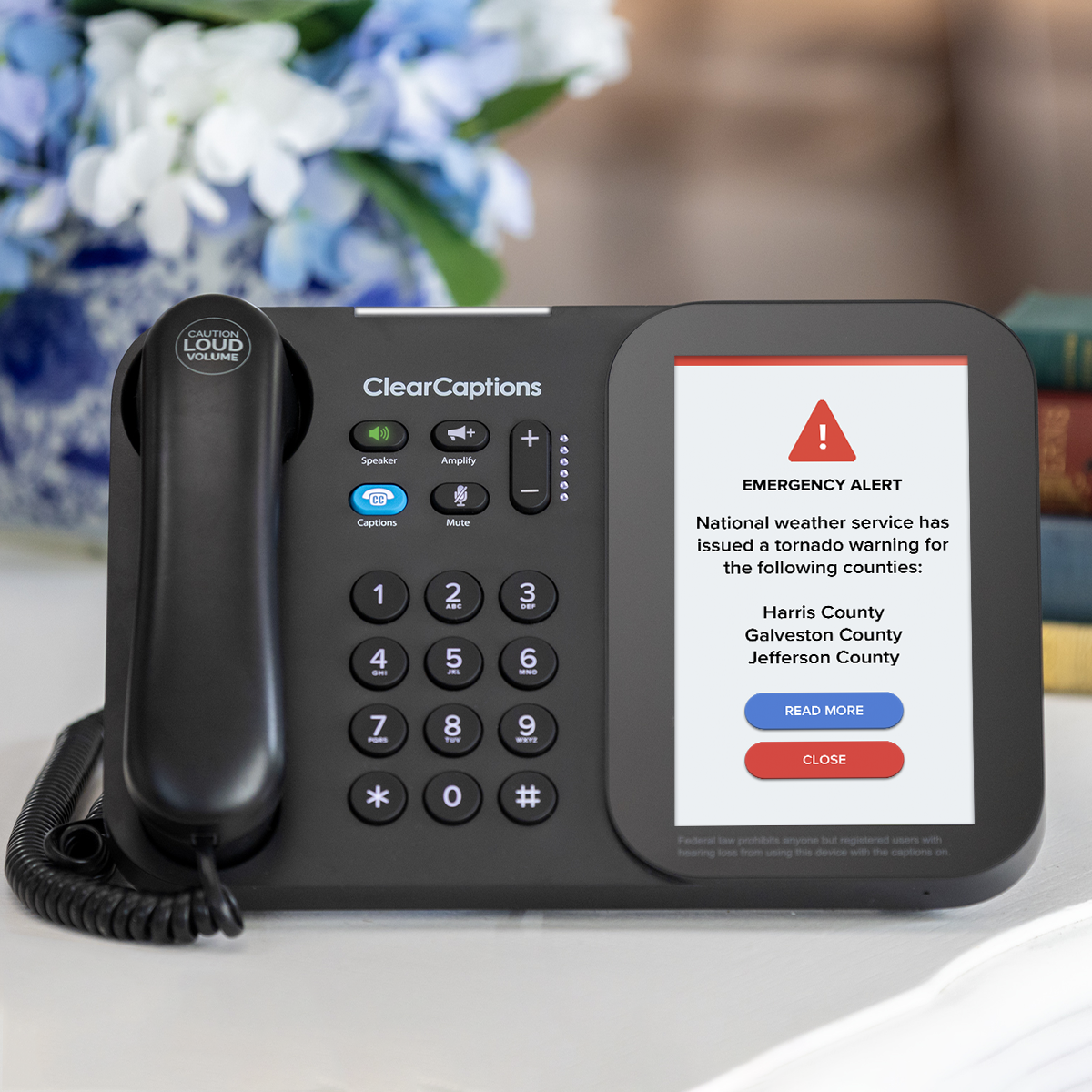
- Caption phones support seniors by not only making it easier to hear conversations but also by displaying the words, helping them follow along.
- Video chatting tools like Zoom and FaceTime improve communication by providing visual cues such as body language and gestures, which help convey meaning and emotion more clearly.
- Closed captioning on televisions enhances understanding by displaying the dialogue at the bottom of the screen.
- Hearing amplifiers can improve in-person communication by making speech easier to hear.
Communicating During Emotional or Stressful Moments

When a moment is particularly stressful, like when you need to discuss hearing loss or other health-related matters, it is even more critical to remember how to communicate effectively. Following the caregiver tips above can make all the difference in overcoming a difficult hurdle smoothly. Just remember: Give them time to process.
Don’t rush them to respond. Allow them time to absorb what you’ve said, especially in emotionally-charged conversations, so they can respond thoughtfully.
It’s also helpful to revisit important points. If something important has been said, check in after a moment to ensure they’ve understood. Repeating key points can help reinforce your message.
Consider offering small affirmations during the conversation, such as “I understand,” “Take your time,” or “I’m here with you.” These simple gestures show that you are patient and supportive.
When to Encourage a Hearing Evaluation
If you notice signs that your loved one’s hearing may be declining, it may be a good idea to schedule a hearing evaluation. Early detection can help address hearing concerns before they affect daily life.
Some signs that it might be time for an evaluation include:
- Frequently asking people to repeat themselves
- Constantly turning up the volume on the TV or radio
- Complaining of ringing in the ears, also known as tinnitus
- The inability to hear even with minimal background noise
Improve Your Caregiver Communication

Finding ways to incorporate these caregiving tips into your daily routine will help reduce stress and make everyday tasks easier. Just be careful not to try too many new things at once. Introduce one or two new tips or tools at once to make sure you don’t overwhelm yourself or your loved one.
Remember that communicating with seniors can sometimes be frustrating, so give yourself and your loved one some grace.
Frequently Asked Questions
How do you talk to an elderly person with severe hearing loss?
Understanding how to communicate with a hearing-impaired person requires patience and empathy. Speak directly to them in clear, shortened sentences. Make sure they can see you clearly; use body language, gestures, and visual aids whenever possible. Ideally, using technology and tools can improve a senior with severe hearing loss’s ability to communicate effectively.
How can I tell if my elderly parent’s hearing loss is getting worse?
When communication between you and your parent becomes strained, confusing, or frustrating, it may indicate that their hearing loss is worsening. Specific signs include speaking off-topic, repeatedly asking others to repeat themselves, or turning up the TV or telephone volume to high levels.
Can captioned phones help seniors who refuse to wear hearing aids?
A captioned phone can help seniors, even if they refuse to wear hearing aids. While hearing aids can improve hearing, captioned phones will allow them to visualize the conversation. For a senior who refuses to wear hearing aids, on-screen text on the phone helps them see what is being said, even if they struggle to hear. By communicating with seniors via a captioned phone, you can ensure everyone is part of the conversation and heard.