COVID and Hearing Loss: What You Should Know
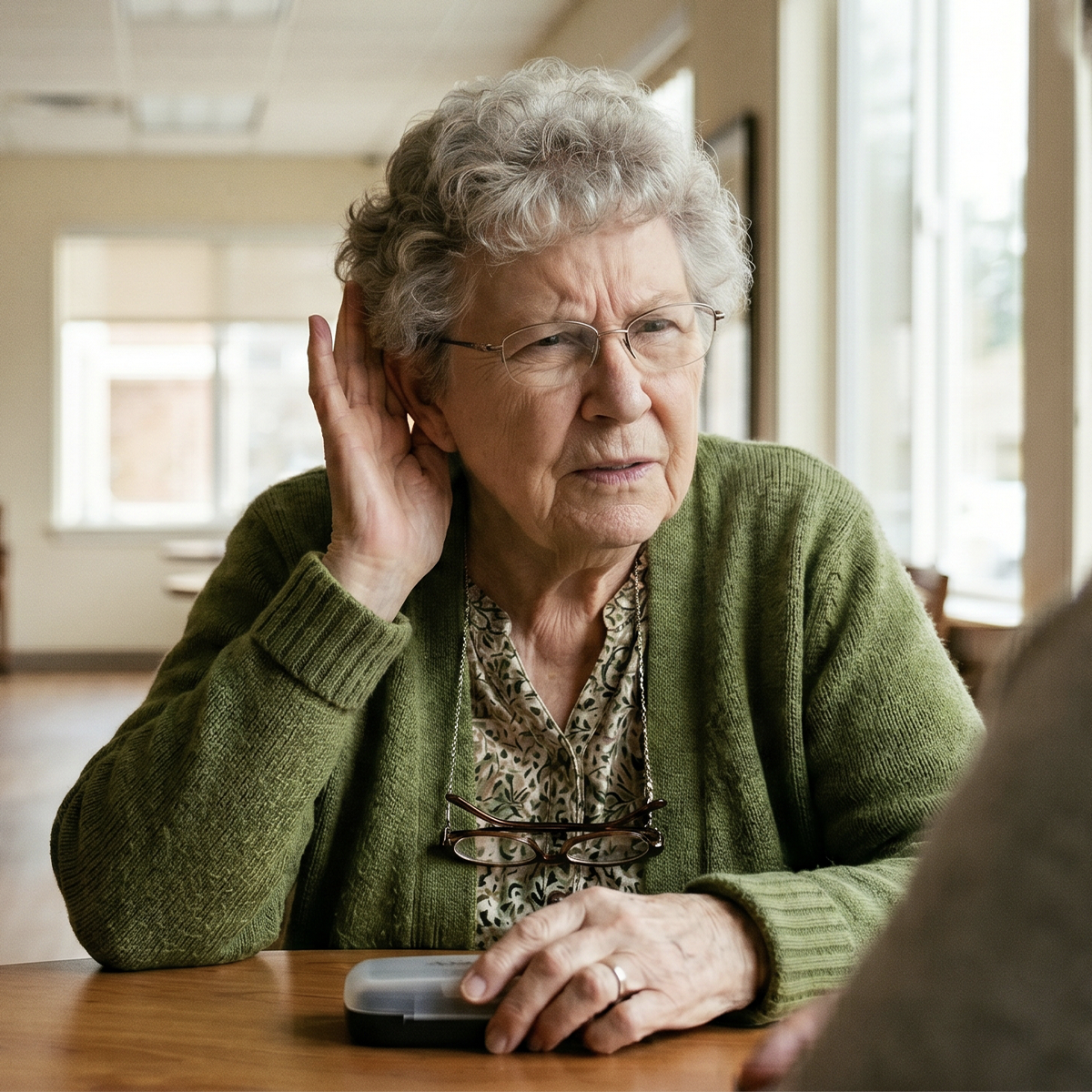
Key Takeaways
- COVID can affect your ears, and some people notice hearing changes during or after getting sick.
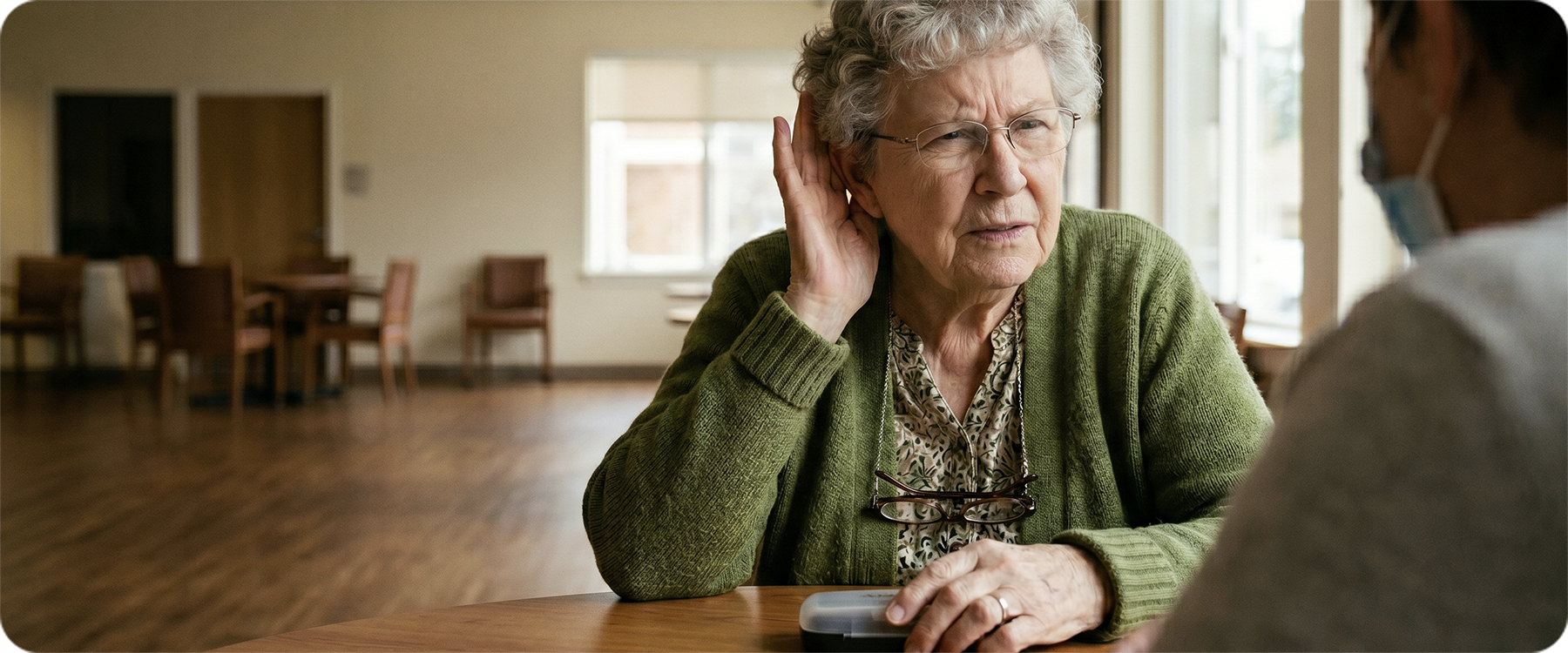
- COVID hearing problems can range from muffled or unclear sounds to ringing in the ears or a sudden drop in hearing.
- Seniors may notice these changes more because our ears naturally become more sensitive as we get older.
- Hearing changes and hearing loss after COVID can show up right away or pop up weeks later, even after you feel fully recovered.
- If something seems off with your hearing after a COVID infection, be sure to speak with your doctor sooner rather than later.
You probably already know the usual signs of COVID at this point: fever, fatigue, a stubborn cough that just won’t go away. But there is one side effect that often goes unmentioned, and that is what COVID can do to your hearing.
If your hearing hasn’t quite felt the same since a bout with COVID, you are not alone. Understanding what COVID-related hearing loss looks like, why it happens, and what you can do about it can help you take the right steps.
This blog will walk you through the connection between COVID and hearing loss and provide you with simple, practical steps you can take to protect yourself.
Can COVID Cause Hearing Loss?
Yes, it can. Research has confirmed this, and hearing care professionals now routinely ask about recent COVID infections when someone comes in with new hearing concerns.
That said, it is not something that happens to everyone. For many people, any hearing changes that come with COVID are mild and improve on their own. For others, the effects stick around longer. Every person’s experience is a little different.
What the research tells us is that hearing loss after COVID is common enough to take seriously. A 2023 review that looked across many different studies found consistent reports of COVID hearing problems in people who had been infected. The science is still developing, but there is enough evidence to say that if your hearing has changed after COVID, the side effect is a real thing worth paying attention to.
How Does COVID Actually Affect Your Ears?
Think about the inside of your ear like a tiny, delicate instrument. There are microscopic hair-like cells in there that act like the strings of this instrument. They pick up sound and send it to your brain. These cells, or strings, are incredibly sensitive.
COVID causes swelling and inflammation throughout the body, and that can travel right into your ears. When COVID hearing problems pop up, here is what that can look like:
The tiny hair cells can get damaged. When COVID’s inflammation reaches the inner ear, those delicate hair-like cells can take a hit. Once they are worn down, sounds can start to seem muffled or harder to make out, especially voices and higher-pitched sounds.
Fluid can build up. COVID can sometimes cause fluid to collect behind the eardrum. If you have ever jumped into a swimming pool and come up feeling like you are hearing everything through water, that is a little what this can feel like. Sounds lose their crispness and everything seems a bit dull.
Blood flow to the ear can be affected. Your inner ear depends on a steady flow of blood to work properly. COVID has been linked to circulation changes throughout the body, and the ears are no exception.
The nerve that carries sound to the brain can be affected. The nerve running from your ear to your brain can sometimes be disrupted by COVID, making it harder for your brain to process sounds clearly even when they are loud enough.
Ringing can start. Some people develop a persistent ringing, buzzing, or humming in one or both ears during or after a COVID infection. This is called tinnitus, and it is one of the more commonly reported COVID hearing problems.
COVID-Related Hearing Loss Signs to Watch For
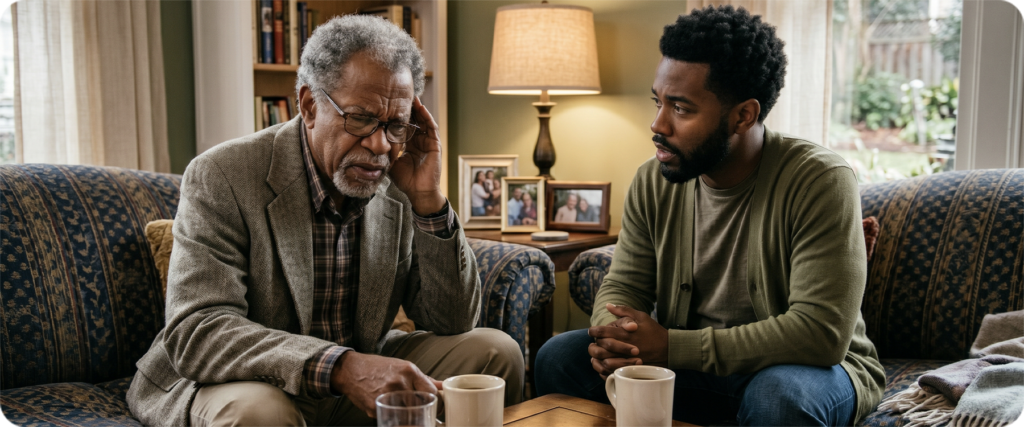
COVID-related hearing loss does not show up the same way for everyone. Here are the signs worth paying attention to:
- Sounds feel muffled or like they are coming from far away
- You are asking people to repeat themselves more than usual
- One ear suddenly seems much quieter than the other
- There is a ringing, buzzing, or hissing sound that was not there before
- Voices on the phone are harder to follow
- You feel a sense of pressure or fullness in your ears, like they need to pop
- You feel unsteady on your feet or a little dizzy
These changes can show up while you are actively sick with COVID, or they can appear weeks later, even after you felt like you had fully recovered. When hearing problems linger after the initial infection clears up, this is sometimes part of what people call “long COVID.” COVID-related hearing loss is one of the documented lingering effects.
If any of these feel familiar, please do not just wait it out. Some types of hearing changes respond much better to treatment when they are caught early. A quick call to your doctor is all it takes to get the right eyes on it.
What the Research Tells Us About Hearing Loss After COVID
Researchers have been studying the connection between COVID and hearing loss closely, and the picture keeps getting clearer. Here is what we know so far:
Hearing changes after COVID are well-documented. Multiple studies across many countries have found that people who had COVID report hearing problems at higher rates than those who did not. The numbers vary from study to study, partly because some researchers asked people how their ears felt while others ran formal hearing tests. But the pattern is consistent.
Ringing in the ears is one of the most commonly reported issues. Many people notice tinnitus, that ringing or buzzing sound, after a COVID infection. In some cases it showed up even when a standard hearing test did not pick up measurable hearing loss.
Sudden hearing loss has also been linked to COVID. This is when hearing drops quickly, sometimes within hours or a day. It is less common, but it is serious and needs prompt medical attention. The good news is that when it is caught early and treated with steroid treatments, there is a good chance of recovery. Waiting too long makes treatment less effective, so this is not a “let’s see if it goes away” situation.
Long COVID can affect your ears. For some people, the hearing changes that come with COVID stick around as part of broader long COVID symptoms. Researchers are still studying exactly how common this is, but it is real, and it is another reason to speak up with your doctor if something still seems off months later.
Why Seniors Should Pay Extra Attention
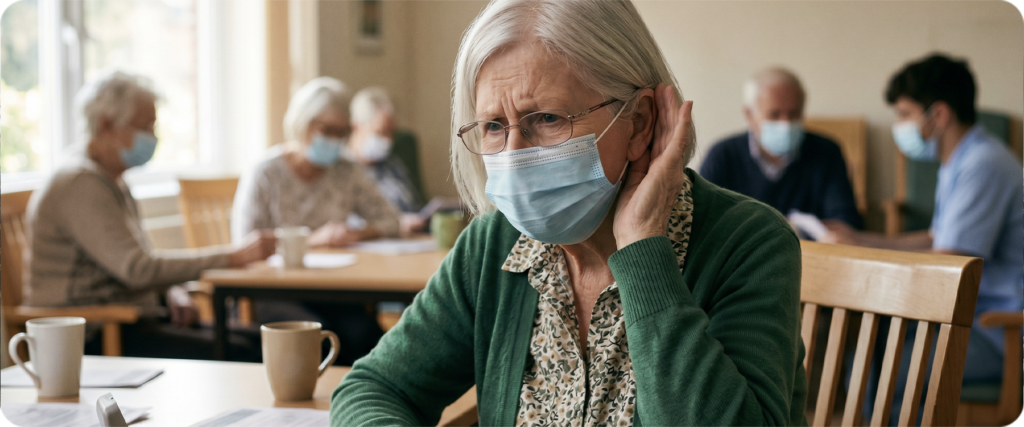
Anyone can experience COVID hearing problems, but for older adults, there are a few extra reasons to stay alert.
As we get older, the tiny hair cells in our ears naturally become a little more fragile and a little less resilient. They have been working hard for decades. That means they are less able to bounce back from something like COVID’s inflammation or a disruption in blood flow.
If you already had some degree of hearing loss before COVID, the virus can add to what was already there, making the change more noticeable even if the total impact of COVID was relatively mild.
People who had a more serious bout of COVID also tend to experience stronger effects throughout the body, including in the ears.
And some medications commonly taken for other health conditions can affect hearing on their own. Combined with what COVID can do, that is worth mentioning to your doctor.
None of this is meant to worry you. It is just a good reason to pay attention and speak up sooner rather than later if you notice anything different about your hearing.
Frequently Asked Questions About COVID and Hearing Loss
Can COVID-19 cause permanent hearing loss?
It can, but for most people it does not. Mild muffling or ringing that shows up during a COVID infection often improves as the body heals. The cases more likely to cause lasting changes are those involving sudden, significant hearing loss in one ear. That type responds well to steroid treatments, but timing matters, so getting checked out quickly gives you the best shot at a full recovery.
How soon after COVID can hearing loss show up?
It varies quite a bit. Some people notice changes while they are actively sick. Others feel fine for weeks and then start noticing something is off. If your hearing seems different within three months of having COVID, it is worth bringing up with your doctor, even if the illness itself feels like old news by now.
Can COVID-related hearing loss improve over time?
Oftentimes, yes. Hearing changes that are related to fluid or swelling tend to improve as the body recovers. Changes that go deeper into the inner ear are less likely to fully reverse on their own, which is why it helps to catch them early and get the right treatment. An audiologist can do a simple, painless hearing test to figure out what kind of change you are dealing with and what might help.
What should I do if I notice hearing changes after COVID?
Call your doctor and let them know what you are experiencing. Come ready to share when you had COVID, when the hearing changes started, and what they feel like. Whether it is one ear or both, whether it came on suddenly or gradually, and whether you have any ringing or dizziness are all useful details.
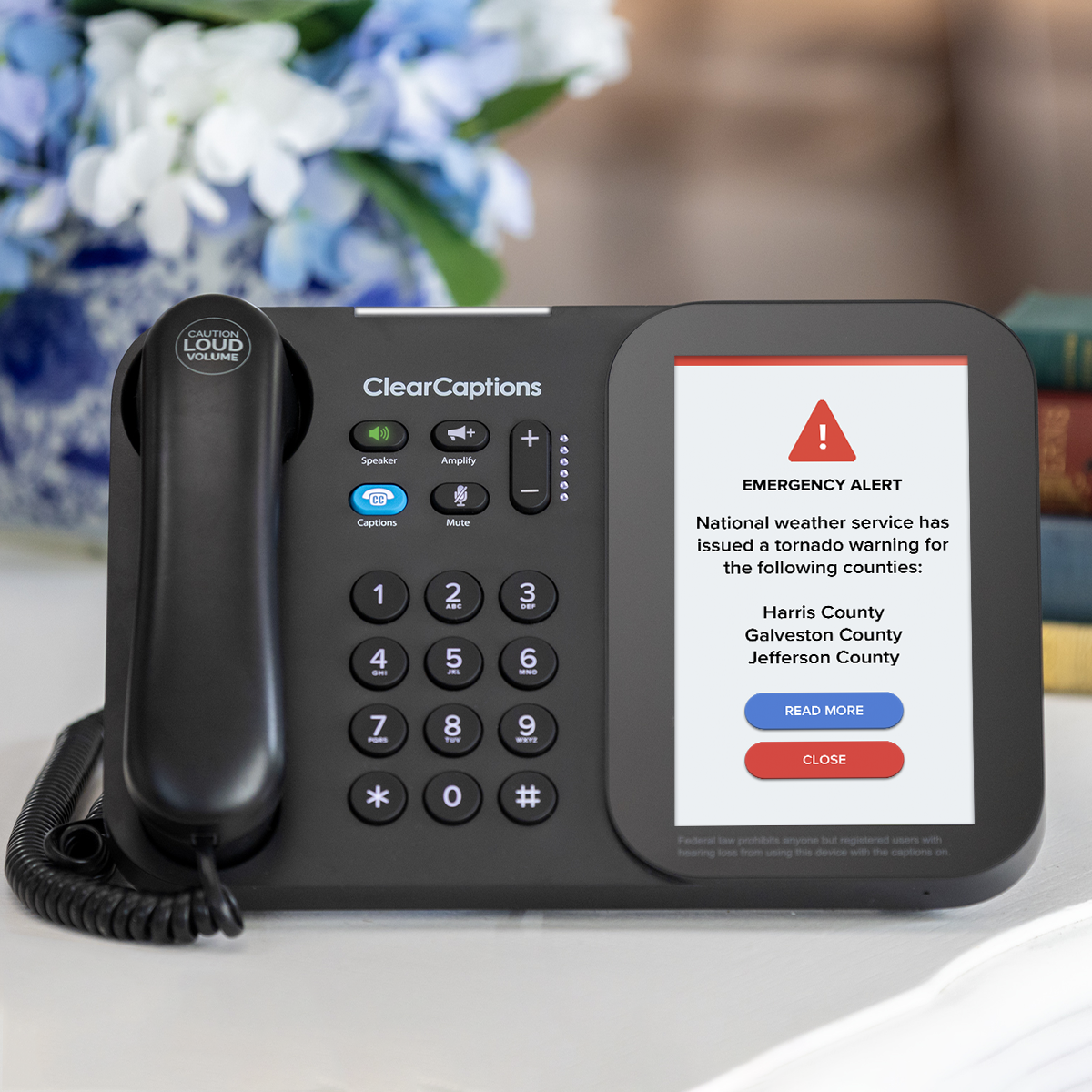
In the meantime, if phone calls have become harder to follow, a captioned phone can take a lot of the stress out of everyday conversations. The ClearCaptions Phone shows you captions of what the other person is saying right on a large screen while you talk, so you are not straining to catch every word. Thanks to a federally managed program, it is available at no cost to you if you qualify. Staying connected with the people you love should not have to feel like work.