Can Hearing Loss Be Prevented? Practical Protection Tips for Every Stage of Life
Key Takeaways
- Not all hearing loss can be prevented, but many common causes can be controlled through lifestyle choices and healthy habits.
- Loud noise exposure is one of the most preventable causes of hearing damage.
- Cardiovascular health, certain medications, and lifestyle choices all affect your hearing.
- Regular hearing screenings help catch problems early.
- Simple daily habits like protecting your ears, eating well, and staying active support long-term hearing health.
Understanding how to prevent hearing loss empowers you to take control of your hearing health at any age. This guide explores practical, evidence-based strategies to help protect your ears for years to come.
Understanding Hearing Loss: What Can and Cannot Be Prevented
Before learning how to prevent hearing loss in old age, it helps to understand what types of hearing loss exist and which ones you can control.
Types of hearing loss
Three main types of hearing loss affect people differently.
- Sensorineural hearing loss occurs when the inner ear structures or hearing nerves are damaged. This is the most common type and includes age-related hearing loss.
- Conductive hearing loss is often due to blockages or infections.
- Mixed hearing loss combines both types. You cannot completely prevent this, but you can slow its progression and reduce your risk.
Common causes of preventable hearing Loss
The most common causes of hearing loss include:
- Noise exposure
- Certain medications
- Poor cardiovascular health
- Untreated ear infections
- Improper ear cleaning methods
Early Warning Signs You Shouldn’t Ignore

The best way to prevent hearing loss is to recognize warning signs early. Look for signs such as:
- Difficulty understanding conversations in noisy places like restaurants
- Asking people to repeat themselves often
- Turning up the TV or radio volume higher than others prefer
- Ringing in your ears, called tinnitus
- Muffled or distant sounds
If you experience any of these symptoms, schedule a hearing evaluation promptly.
Evidence-Based Ways to Prevent Hearing Loss
There are simple steps you can take to protect your hearing. Let’s talk about some of the most popular actions you can take.
Protect your ears from loud noise
Noise-induced hearing loss is highly preventable. Limit your exposure to sounds above 85 decibels by wearing earplugs or earmuffs when using loud equipment like lawn mowers, power tools, or leaf blowers.
At concerts or sporting events, wear ear protection or move away from the speakers. When listening to music at home, follow the 60/60 rule: keep the volume at no more than 60 percent for no more than 60 minutes at a time.
Maintain cardiovascular health
Your ears need good blood flow to function properly. Keep your heart healthy by:
- Exercising regularly
- Maintaining healthy blood pressure and cholesterol levels
- Managing other conditions like diabetes.
What benefits your heart also protects your hearing.
Be medication-aware
Some medications can damage hearing structures. Ask your doctor whether any of your medications might affect your hearing and whether there are alternatives. Never stop prescribed medications without medical guidance, but don’t be afraid to ask about potential side effects.
Practice good ear hygiene
Proper ear care prevents infections and damage. Never insert cotton swabs, bobby pins, or other objects into your ear canal. These can push wax deeper, damage your eardrum, or cause infections. Let earwax naturally work its way out.
If you experience excessive wax buildup, see a healthcare provider for safe removal. Dry your ears gently after swimming or bathing by tilting your head and pulling your earlobe in different directions to help water drain out.
Get regular hearing screenings
According to the American Speech-Language-Hearing Association, adults should have baseline hearing tests and regular screenings. You should be tested every decade through age 50, then every three years after that.
If you are at high risk or start to notice changes in your hearing health, schedule more frequent visits. Early detection is the best form of hearing loss prevention.
Lifestyle Habits That Support Hearing Health

Daily choices add up to significant hearing protection over time. Small changes create lasting benefits.
Nutrition for healthy ears
What you eat affects your hearing. Fill your diet with healthy foods rich in:
- Omega-3 fatty acids
- Antioxidants
- Vitamins A, C, and E
- Minerals like magnesium and zinc
Avoid smoking and limit alcohol
Smoking restricts blood flow to the inner ear, increasing hearing loss. Studies show that smokers have a higher risk of developing hearing issues. Heavy alcohol consumption is also linked to hearing problems. If you drink, do so in moderation.
Manage stress
Chronic stress affects your entire body, including your ears. High stress levels can restrict blood flow and worsen tinnitus.
Practice stress-reduction techniques like deep breathing, meditation, gentle exercise, or activities you enjoy. Good sleep habits also help manage stress and support overall health.
Stay mentally and socially active
Keeping your brain engaged supports hearing health. Social interaction, learning new skills, reading, puzzles, and hobbies all stimulate your brain and keep your body healthy.
Managing Existing Hearing Loss
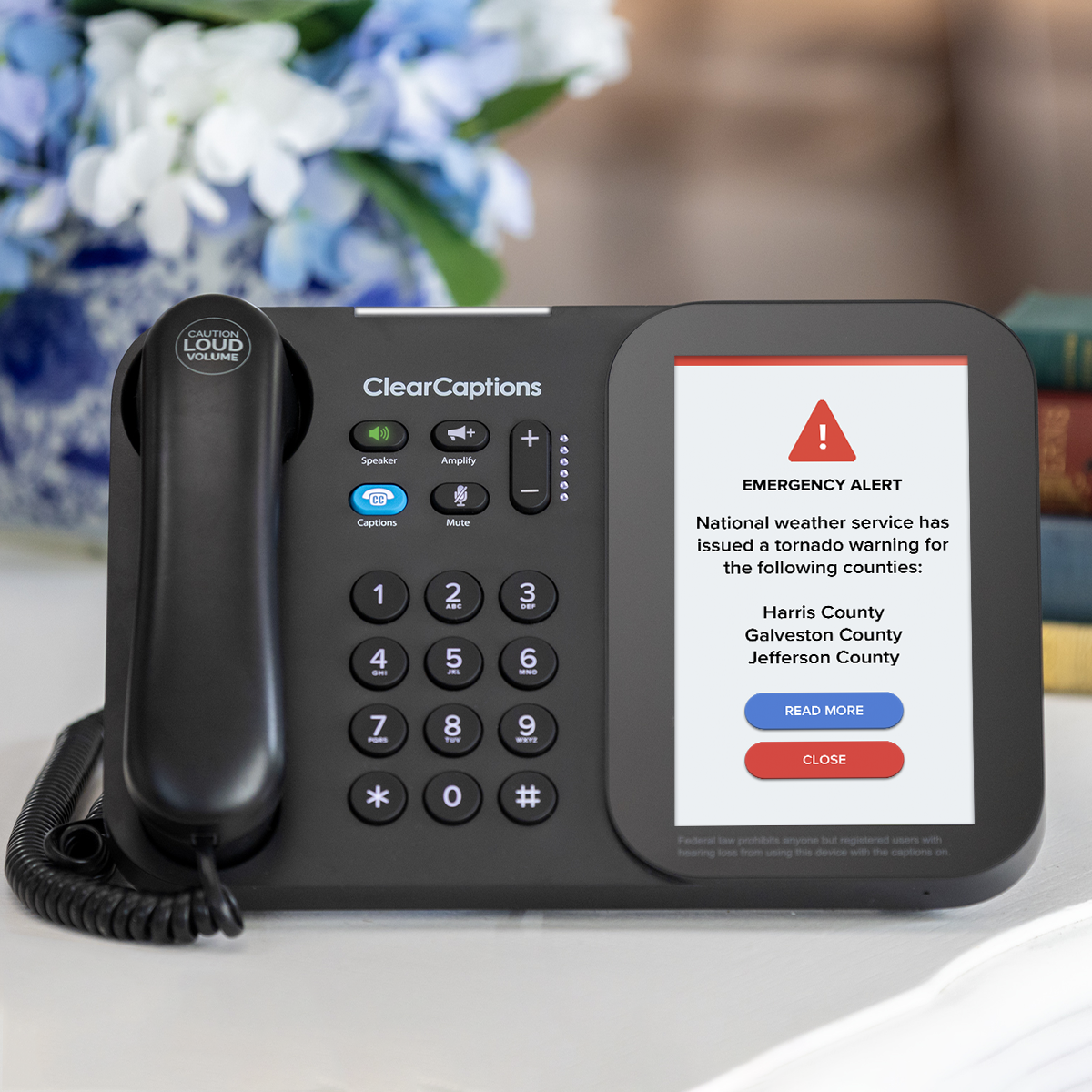
If you already have some hearing loss, follow your doctor’s advice to manage it correctly. Use hearing aids if recommended, or consider other assistive devices, such as caption phones, designed specifically for people with hearing loss.
Frequently Asked Questions
Can age-related hearing loss be prevented completely?
No, age-related hearing loss cannot be prevented completely. However, there are steps you can take to manage it, such as avoiding loud noise, maintaining cardiovascular health, eating a healthy diet, and exercising regularly.
Are there vitamins or supplements that can prevent hearing loss?
While no supplements can guarantee hearing loss prevention, antioxidants, omega-3 fatty acids, and certain vitamins may support ear health. Getting these nutrients through a balanced diet is generally more effective and safer than taking supplements.
How often should seniors get their hearing tested?
Seniors should have their hearing tested at least every three years after age 50, according to hearing health experts. If you notice any changes in your hearing, have risk factors like noise exposure, or take medications that might affect hearing, consider more frequent testing to catch problems early.