Medications That Cause Hearing Loss: What Caregivers Need to Know


Key Takeaways
- Ototoxic medications can damage the inner ear and affect hearing or balance.
- There are over 200 medications that cause hearing loss.
- Hearing changes from medications can be temporary or permanent, depending on the drug and dosage.
- Seniors face higher risks due to age-related changes, kidney function, and multiple medications.
- Early detection and communication with healthcare providers can prevent or minimize hearing damage.
- Never stop medications without consulting a doctor, even if hearing changes occur.
What Is Ototoxicity? Understanding Drug-Induced Hearing Loss
Ototoxicity means “ear poisoning.” It occurs when medications or chemicals damage the inner ear and negatively affect hearing and balance.
Ototoxic medications work by interfering with the delicate hair cells in the inner ear. These tiny cells turn sound into signals the brain can understand.
Some ototoxic medications can cause permanent damage, especially at high doses or with prolonged use. Despite the dangers, not everyone who takes these medications will experience hearing problems.
Common Medications That Can Affect Hearing

There are over 200 ototoxic medications. Here’s a list of drugs that cause hearing loss that caregivers should know about.
Antibiotics and antimicrobials
There are some connections between antibiotics and hearing loss. While antibiotics are effective for treating bacterial infections, it’s essential to be aware of the risks.
Antibiotics that can sometimes be considered ototoxic medications include:
- Gentamicin
- Tobramycin
- Amikacin
- Streptomycin
- Neomycin (often found in ear drops and topical creams)
- Erythromycin (especially intravenous forms)
- Vancomycin
- Azithromycin (usually only at very high doses)
Most oral antibiotics prescribed for common infections, such as sinus or urinary tract infections, carry minimal risk of hearing loss when used as directed.
Pain relievers and anti-inflammatory drugs
Common over-the-counter pain medications can affect hearing, especially when taken regularly at high doses.
Aspirin can cause temporary hearing loss and ringing in the ears (tinnitus). This typically happens at doses above eight to 12 pills per day. The effects usually reverse when the dosage is reduced or stopped.
Nonsteroidal anti-inflammatory drugs (NSAIDs) include:
- Ibuprofen (Advil, Motrin)
- Naproxen (Aleve)
- Indomethacin
- Celecoxib (Celebrex)
Occasional use for headaches or minor pain rarely causes problems. However, daily use for chronic conditions like arthritis may increase the risk of hearing loss over time.
Cancer treatments (chemotherapy drugs)
Certain chemotherapy medications are often at the top of the list of drugs that cause hearing loss. Oncologists carefully monitor patients receiving treatments such as:
- Cisplatin
- Carboplatin
- Oxaliplatin
Cardiovascular medications
Some medications used to treat heart conditions and high blood pressure can affect hearing, such as:
- Furosemide (Lasix)
- Bumetanide
- Torsemide
These medications typically cause temporary hearing changes, especially when given intravenously at high doses. The effects often resolve after treatment ends.
Antimalarial drugs
Depending on the dosage and duration, the following medications may cause temporary or permanent hearing loss and tinnitus:
- Quinine (used for malaria and leg cramps)
- Chloroquine
- Hydroxychloroquine (Plaquenil)
Other medications to monitor
Additional medications that can cause hearing loss include:
- Sildenafil (Viagra)
- Tadalafil (Cialis)
- Vardenafil (Levitra)
Select antidepressants, mood stabilizers, and long-term use of proton pump inhibitors (PPIs) may also be on the list of medications that cause hearing loss.
Warning Signs: Recognizing Medication-Related Hearing Changes
Early detection of medication-related hearing problems allows for prompt intervention. Watch for these warning signs in your loved one:
Hearing-related symptoms:
- Difficulty hearing conversations, especially in noisy environments
- Frequently asking people to repeat themselves
- Turning up the TV or radio volume higher than usual
- Muffled or distorted sound perception
- Sudden hearing loss in one or both ears
Tinnitus (ringing in the ears):
- Ringing, buzzing, hissing, or roaring sounds
- Sounds that weren’t present before starting a new medication
- Tinnitus that worsens after taking certain medications
Balance problems:
- Dizziness or vertigo
- Difficulty walking or standing
- Feeling unsteady or off-balance
- Nausea related to movement
Make sure your loved one knows that they can talk to you about their hearing loss. If they experience any changes, it’s important to take them seriously and schedule time with a doctor.
Risk Factors That Increase Ototoxicity in Seniors

Older adults face higher risks from ototoxic medications due to several age-related factors.
- Reduced kidney function: The kidneys filter medications from the bloodstream. As kidneys work less efficiently with age, medications build up in the body. This increases exposure to ototoxic effects.
- Multiple medications: Many seniors take several medications daily. Some medications together can be more harmful to hearing. Some combinations are more dangerous than others.
- Pre-existing hearing loss: Seniors who already have hearing loss may experience more severe effects from ototoxic drugs.
- Dehydration: Older adults are more prone to dehydration, which can lead to medications becoming more concentrated in the blood, raising the risk of side effects.
- Genetic factors: Some people’s genetics make them more susceptible to medication-induced hearing damage.
- High doses or prolonged use: Extended treatment periods or higher-than-normal doses increase overall damage to ear structures.
- Previous exposure: Prior treatment with ototoxic medications may increase vulnerability to future damage.
What Caregivers Can Do: Prevention and Protection Strategies
You can take active steps to protect your loved one’s hearing while ensuring they receive necessary medical treatment.
- Maintain an updated medication list: Keep a current list of all medications, including over-the-counter drugs and supplements. Share this list with every healthcare provider your loved one sees to avoid negative interactions.
- Ask questions before starting new medications: When a doctor prescribes a new medication, ask whether it carries hearing risks and what symptoms to be aware of.
- Request baseline hearing tests: If your loved one is taking known ototoxic medications, ask about baseline hearing testing before starting treatment. This provides a baseline for monitoring changes.
- Monitor kidney function: Request regular kidney function tests. Adjusting doses based on kidney function can reduce risks.
- Encourage hydration: Proper hydration helps the body process and eliminate medications efficiently.
- Report symptoms immediately: Don’t wait to see if hearing changes resolve on their own. Contact the healthcare provider right away if you notice any side effects.
- Avoid combining ototoxic medications when possible: Alert doctors if your loved one is already taking one ototoxic medication before adding another.
- Use the lowest effective dose: Work with healthcare providers to use the minimum dose that effectively treats the condition.
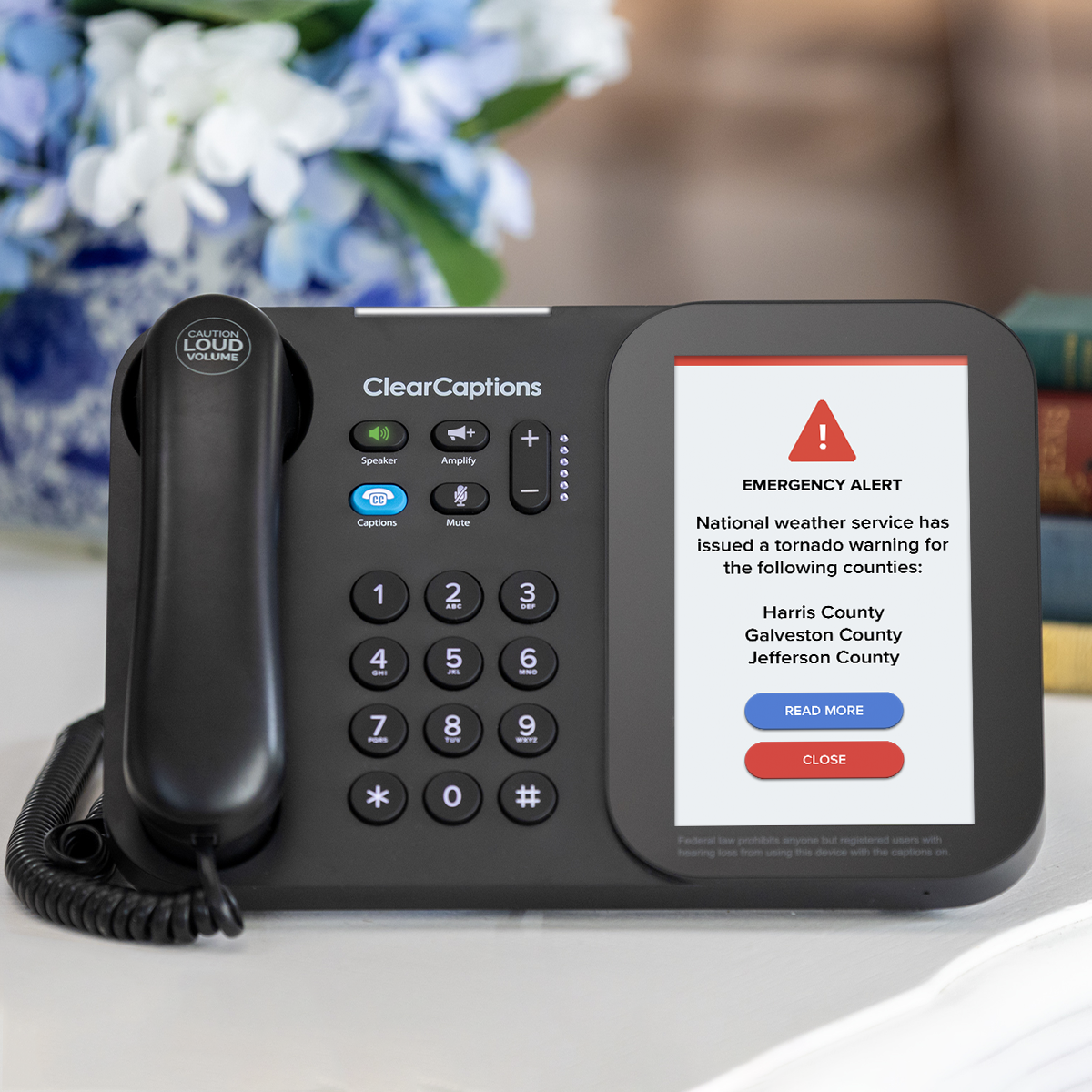
- Consider hearing protection solutions: For seniors with medication-induced hearing loss, assistive devices like captioned telephones can maintain communication quality. ClearCaptions provides text captions to read during phone conversations, helping seniors stay connected despite hearing challenges.
- Keep regular audiology appointments: Annual hearing checks help detect gradual changes that might otherwise go unnoticed.
Resources for Caregivers

Several organizations provide information and support for caregivers managing medication-related hearing concerns:
- American Speech-Language-Hearing Association (ASHA): Offers educational resources about ototoxicity and hearing health.
- Hearing Loss Association of America (HLAA): Provides support groups and information for people with hearing loss and their families.
- National Institute on Deafness and Other Communication Disorders (NIDCD): Government resource with research-based information about hearing health.
- ClearCaptions: Provides an industry-leading captioned telephone service to help seniors with hearing loss stay connected with family and friends.
Your loved one’s healthcare team, such as their pharmacist, primary care doctor, and audiologist, is also a valuable resource. Don’t hesitate to ask questions, including what medications can cause hearing loss.
Frequently Asked Questions
Can medication-induced hearing loss be reversed?
It depends on the medication and the extent of damage. Hearing loss from aspirin and some diuretics is often temporary and improves after stopping the medication. However, damage from aminoglycoside antibiotics and platinum-based chemotherapy drugs is typically permanent because these medications destroy hair cells that cannot regenerate. Early detection and prompt medication adjustment offer the best chance for recovery when reversal is possible.
What are the most common medications that cause hearing loss in the elderly?
The most common medications that cause hearing loss in elderly patients include loop diuretics (Lasix), high-dose aspirin or NSAIDs for chronic pain, and aminoglycoside antibiotics for serious infections. Cancer patients may be exposed to platinum-based chemotherapy drugs. Because seniors often take multiple medications simultaneously, even drugs with lower individual risks can combine to increase the overall ototoxicity potential.
How quickly can medications affect hearing?
The timeline varies by medication. Some drugs, like aspirin, can cause hearing changes within days or even hours at high doses. Aminoglycoside antibiotics may cause gradual hearing loss over weeks of treatment. Chemotherapy-related hearing loss can develop during treatment or even months after completion. Sudden hearing loss can occur with some medications and requires immediate medical attention. Regular monitoring throughout treatment helps catch changes early.
Should my loved one stop taking medication if they experience hearing changes?
Never stop prescribed medications without consulting the healthcare provider first. Some medications treat life-threatening conditions, and stopping abruptly could be dangerous. Instead, contact the doctor immediately to report hearing changes. They can assess the situation, possibly adjust the dosage, switch to an alternative medication, or determine if the benefits outweigh the risks. For some serious infections or cancer treatments, continuing the ototoxic medication may be medically necessary despite hearing risks.