Spring Into Better Hearing: Your Hearing Health Checklist


Key Takeaways
- Spring is an ideal time to prioritize your hearing health and explore hearing care solutions
- Simple lifestyle changes can improve your ability to manage hearing challenges
- Regular hearing assessments should be part of your routine hearing health care
- Taking care of your hearing now can prevent more serious issues later
Spring brings fresh starts and renewed energy. As you tackle spring cleaning and prepare your home for warmer weather, now is also the perfect time to check in on your hearing health. Just like maintaining your home, taking care of your hearing requires regular attention and simple, proactive steps.
Why Spring Is the Perfect Time to Focus on Hearing Health
Spring represents renewal and growth. It’s when many of us schedule annual checkups, refresh our routines, and set new health goals. Your hearing deserves the same attention you give to other aspects of your well-being.
After spending the winter months indoors, you may have noticed changes in how you communicate with loved ones. Perhaps you’ve asked people to repeat themselves more often, or you’ve had difficulty hearing conversations during family gatherings. Spring offers a natural opportunity to address these concerns.
Schedule a Hearing Assessment

The foundation of good hearing health care starts with knowing where you stand. If you haven’t had your hearing checked recently, schedule an assessment with a qualified audiologist or hearing care professional.
Regular hearing tests are especially important for seniors. According to research, approximately one in three people between the ages of 65 and 74 have hearing loss, and nearly half of those older than 75 have difficulty hearing. Early detection allows you to explore hearing care solutions before problems become more challenging to manage.
Your hearing care professional can identify any changes in your hearing and recommend appropriate next steps. These appointments are typically painless, quick, and provide valuable information about your hearing capabilities.
Review Your Current Hearing Care Solutions
If you already use hearing aids or other assistive devices, spring is an excellent time to ensure they’re working properly. Check the following:
- Clean your hearing aids thoroughly and inspect them for any damage or wear
- Replace batteries if needed, and keep spare batteries on hand
- Schedule a maintenance appointment with your hearing health care provider
- Discuss any concerns or difficulties you’ve experienced
Professional cleaning, necessary adjustments, and proper maintenance ensure your devices are functioning at their best.
Create a Hearing-Friendly Home Environment
Small changes to your living space can make a significant difference in how well you hear and communicate.
Reduce background noise whenever possible. Turn off the television or radio when you’re having conversations, and make sure to move away from running appliances, like your dishwasher or washer and dryer, before starting discussions. These simple adjustments help create clearer listening environments.
Improve lighting in your home. Good lighting helps you see facial expressions and lip movements, which provide important context during conversations. Consider adding lamps or opening curtains to brighten frequently used spaces.
Arrange furniture to facilitate conversation. Position seating so you can easily see and hear family members and guests. Avoid placing chairs with their backs to windows, as this can create glare and make it harder to see people’s faces.
Protect Your Hearing During Spring Activities

As you venture outdoors more often this season, remember to protect your hearing from loud noises. Spring brings lawn care, power tools, and outdoor events that can expose you to damaging sound levels.
Wear hearing protection when operating lawn mowers, leaf blowers, or other loud equipment. Simple foam earplugs or protective earmuffs can prevent noise-induced hearing damage. Keep these items easily accessible so you remember to use them.
At concerts, sporting events, or other loud gatherings, position yourself away from speakers or noise sources when possible. If you notice ringing in your ears after exposure to loud sounds, give your hearing time to recover and consider using protection in similar situations moving forward.
Maintain Good Communication Habits
Taking care of your hearing extends beyond medical appointments and devices. The way you communicate daily plays a crucial role in your hearing health care.
When speaking with others:
- Face them directly so you can see their expressions and lips
- Ask people to speak clearly, not necessarily louder
- Request they get your attention before starting conversations
- Be honest with family and friends about your hearing challenges
Visual information helps your brain process speech more effectively. Let loved ones know what helps you hear better, such as reducing background noise or speaking one at a time. Most people are happy to accommodate when they understand your needs.
Consider Phone Captioning Services
Phone conversations can be particularly challenging for people with hearing loss. The ClearCaptions Phone provides captions of what callers say, making it easier to follow conversations without constantly asking people to repeat themselves.
These hearing care solutions help you stay connected with family, friends, and healthcare providers without the frustration that often accompanies phone calls. The service displays captions on a clear, easy-to-read screen while you continue speaking normally.
Update Your Emergency Contacts
Spring cleaning isn’t just for closets and gardens. Review and update your emergency contact information, including your hearing health care providers’ phone numbers and addresses.
Make sure family members know about your hearing challenges and how to communicate with you during emergencies. Consider adding visual alert systems to your home, such as flashing doorbells or smoke alarms, which can supplement standard audio alerts.
Stay Socially Connected

Social isolation can negatively impact overall health, and hearing loss sometimes causes people to withdraw from activities they once enjoyed. This spring, make an effort to stay engaged with your community.
Join clubs, volunteer organizations, or senior centers where you can interact with others in person. Let organizers know about your hearing needs so they can help create inclusive environments. Many groups are willing to make simple accommodations, such as providing written agendas or using microphones at meetings.
Video calls with distant family members can be easier than phone conversations because you can see facial expressions and lips. Schedule regular video chats to maintain relationships and practice your communication skills in a comfortable setting.
Monitor Changes in Your Hearing
Pay attention to how your hearing changes over time. Keep a simple journal noting situations where you struggle to hear or times when communication feels easier. This information can be valuable when discussing your hearing health care with professionals.
Common signs that warrant attention include:
- Frequently asking people to repeat themselves
- Difficulty hearing in noisy environments
- Trouble following conversations with multiple speakers
- Needing to turn up the television volume beyond what’s comfortable for others
Don’t dismiss these changes as simply part of aging. Many effective hearing care solutions exist, and early intervention often leads to better outcomes.
Explore Available Resources
Many resources exist to support people with hearing loss. Take time this spring to learn about options in your community.
Local senior centers often provide information about hearing health services and may host hearing screenings. Libraries typically offer assistive listening devices for programs and events. Your healthcare provider can refer you to qualified audiologists and hearing health specialists.
Online resources, including reputable hearing health organizations, provide educational materials about hearing loss, treatment options, and communication strategies. However, always verify information with qualified healthcare professionals rather than relying solely on internet sources.
Make Hearing Health Part of Your Routine
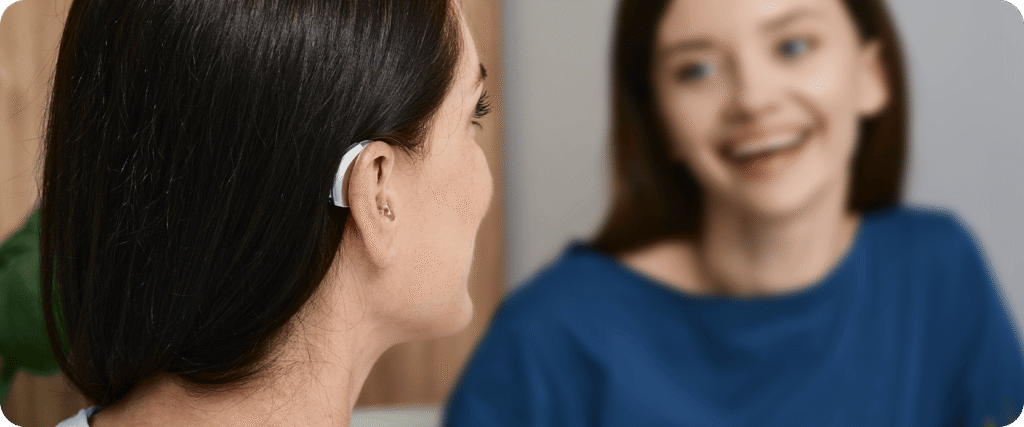
Just as you schedule regular dental cleanings or annual physicals, incorporate hearing health into your ongoing wellness plan. Regular checkups, proper device maintenance, and attention to communication strategies all contribute to better hearing outcomes.
Taking care of your hearing isn’t complicated or time-consuming. Small, consistent efforts make a significant difference in your quality of life and your ability to stay connected with the people who matter most.
Take the First Step Today
Spring cleaning for your hearing health doesn’t require a complete overhaul. Start with one item from this checklist, such as scheduling a hearing assessment or exploring phone captioning options. Each small step contributes to better hearing health care and improved communication.
Your hearing connects you to the world around you. By taking proactive steps this spring, you’re investing in clearer conversations, stronger relationships, and greater independence for years to come.
Frequently Asked Questions
How often should seniors get their hearing checked?
Most hearing health professionals recommend annual hearing tests for adults over 50. Regular assessments help detect gradual hearing loss early, when hearing care solutions are most effective. If you’ve already been diagnosed with hearing loss, your audiologist may recommend more frequent checkups to monitor changes and adjust treatment.
What are the first signs of hearing loss I should watch for?
Common early signs include frequently asking others to repeat themselves, difficulty following conversations in noisy environments, trouble hearing on the phone, and needing higher television volume than others find comfortable. You might also notice ringing in your ears or feel that people are mumbling. If family members mention that you miss parts of conversations, take their observations seriously.
Can hearing loss be prevented?
While age-related hearing loss cannot always be prevented, you can protect your remaining hearing and prevent noise-induced damage. Wear hearing protection around loud equipment, keep headphone volume at safe levels, and avoid prolonged exposure to noisy environments. Managing health conditions like diabetes and high blood pressure also helps protect your hearing, as these conditions can affect blood flow to the inner ear.
How can I help a loved one who seems to have hearing loss but won’t acknowledge it?
Approach the conversation with compassion and specific observations. Say something like, “I’ve noticed you seem to miss parts of our conversations lately,” instead of “You’re not listening.” Share information about how common hearing loss is among seniors and emphasize that modern hearing care solutions are comfortable and effective. Offer to accompany them to a hearing assessment for support. People are often more receptive when they understand that addressing hearing loss can improve their quality of life.