Can Stress Really Cause Hearing Loss?


Key Takeaways
- Stress can cause temporary hearing loss and make existing problems worse.
- Common signs of stress-induced hearing loss include ringing in the ears, muffled hearing, and trouble understanding speech.
- Managing stress can help protect hearing health.
As a caregiver, you’re usually the first to notice changes in health, including signs of stress or hearing loss. While both can be common as we age, did you know that they can also be linked? Understanding the connection between stress and hearing loss will help you keep those you care for happy and healthy.
Understanding Stress and Its Effects on the Body
When we feel threatened or under pressure, our bodies release stress hormones. These chemicals can cause the heart to race, muscles to tighten, and blood pressure to rise.
For seniors, stress can come from health issues, the loss of loved ones, financial struggles, or big life changes. If you notice they’re feeling worried, sad, angry, or having trouble sleeping, it could be a sign that stress is affecting their health.
The “cortisol-inner ear” connection
When the body senses stress, it releases a hormone called cortisol. Cortisol is helpful in short bursts because it gives the body a quick burst of energy to respond to a threat. But when stress is ongoing, cortisol levels stay elevated for long periods of time, and that is where the trouble starts.
The inner ear is especially sensitive to changes in blood flow and fluid balance. Chronically high cortisol can narrow the blood vessels that supply the inner ear, reducing the oxygen and nutrients the delicate hair cells there depend on. Those hair cells are responsible for converting sound into signals the brain can understand. Once they are damaged, they do not grow back.
For seniors who may already have some age-related hearing changes, sustained high cortisol can accelerate that process or make existing symptoms feel more pronounced. Stress does not just affect mood; it has a direct, physical pathway to the structures inside the ear.
The Connection Between Stress and Hearing Loss

Many scientific studies have been conducted to better understand the link between stress and hearing loss. Experts believe there are a few reasons for this connection:
- Stress reduces blood flow. When we’re stressed, blood vessels become tighter, and less blood flows to important parts of the body, including the inner ear.
- Stress makes your body tense up. Tense muscles can affect how sound travels to your inner ear.
- Ongoing stress weakens your immune system. This increases the likelihood of ear infections, which can lead to hearing problems.
- Stress can make it harder to focus. When you’re stressed, it can be hard to listen, process, and understand what someone else is saying.
While not all hearing loss is caused by stress, stress-induced hearing loss is a legitimate concern, especially for seniors who may already be experiencing age-related hearing changes.
The Tinnitus Loop: Stress as a Volume Knob
Research shows that roughly 10% to 15% of adults experience tinnitus, but among those with high-stress jobs or lifestyles, the prevalence of bothersome tinnitus is significantly higher. There is a reason for that pattern, and it works in both directions.
Stress can trigger or worsen tinnitus by reducing blood flow to the inner ear and heightening the nervous system’s sensitivity to sound signals. At the same time, living with tinnitus creates its own stress. The constant ringing or chirping, especially at night, can disrupt sleep, increase anxiety, and make it harder to focus. That additional stress then feeds back into the tinnitus, making it louder or more intrusive.
Audiologists call this the tinnitus loop. For seniors and their caregivers, understanding this cycle is useful because it means that reducing stress is not just a comfort measure. It can directly influence how loud and how often tinnitus symptoms appear. Managing stress is, in a very real sense, part of managing the tinnitus itself.
Signs and Symptoms of Stress-Induced Hearing Loss
How can you tell if the person you’re caring for might be having trouble hearing? Look for these signs of hearing loss:
- Trouble hearing in noisy places
- Asking people to repeat themselves more than usual
- Being more sensitive to loud noises
- Hearing problems that come and go
They may also tell you that they are hearing ringing, buzzing, or whooshing sounds in their ears or report feeling dizzy or off-balance.
Unlike age-related hearing loss, which occurs gradually, stress can cause temporary hearing loss that develops suddenly. If there is any abrupt change in their hearing, take it seriously.
Strategies for Managing Stress and Protecting Your Hearing

There are many simple ways to help reduce stress and protect hearing health for years to come. As a caregiver, you can play a direct role in many of these strategies.
Try the 4-7-8 breathing technique. This is a simple, structured breathing exercise you can do together with the person you care for. Breathe in through the nose for 4 counts, hold the breath for 7 counts, then breathe out slowly through the mouth for 8 counts. Repeat three to four times. This pattern activates the body’s relaxation response and can lower stress within minutes. It works anywhere and requires no equipment.
Use sound masking at night. Silence tends to make tinnitus feel louder. A white noise or pink noise machine by the bed adds a steady, neutral background sound that makes the ringing or chirping much less noticeable. White noise is consistent across all frequencies, while pink noise emphasizes lower tones, which many people find more soothing. Either option can make a meaningful difference in sleep quality.
Speak clearly and calmly, not loudly. When people feel stressed or worried about being understood, they often speak louder. This is a well-documented phenomenon called the Lombard Effect: we instinctively raise our voices in challenging communication environments. For seniors with hearing loss, a louder voice can actually make speech harder to understand because it distorts the sound and causes it to blur together. Instead, speak at a normal volume, slow down slightly, and face the person directly so they can see your mouth. A calm, clear delivery will always land better than a loud one.
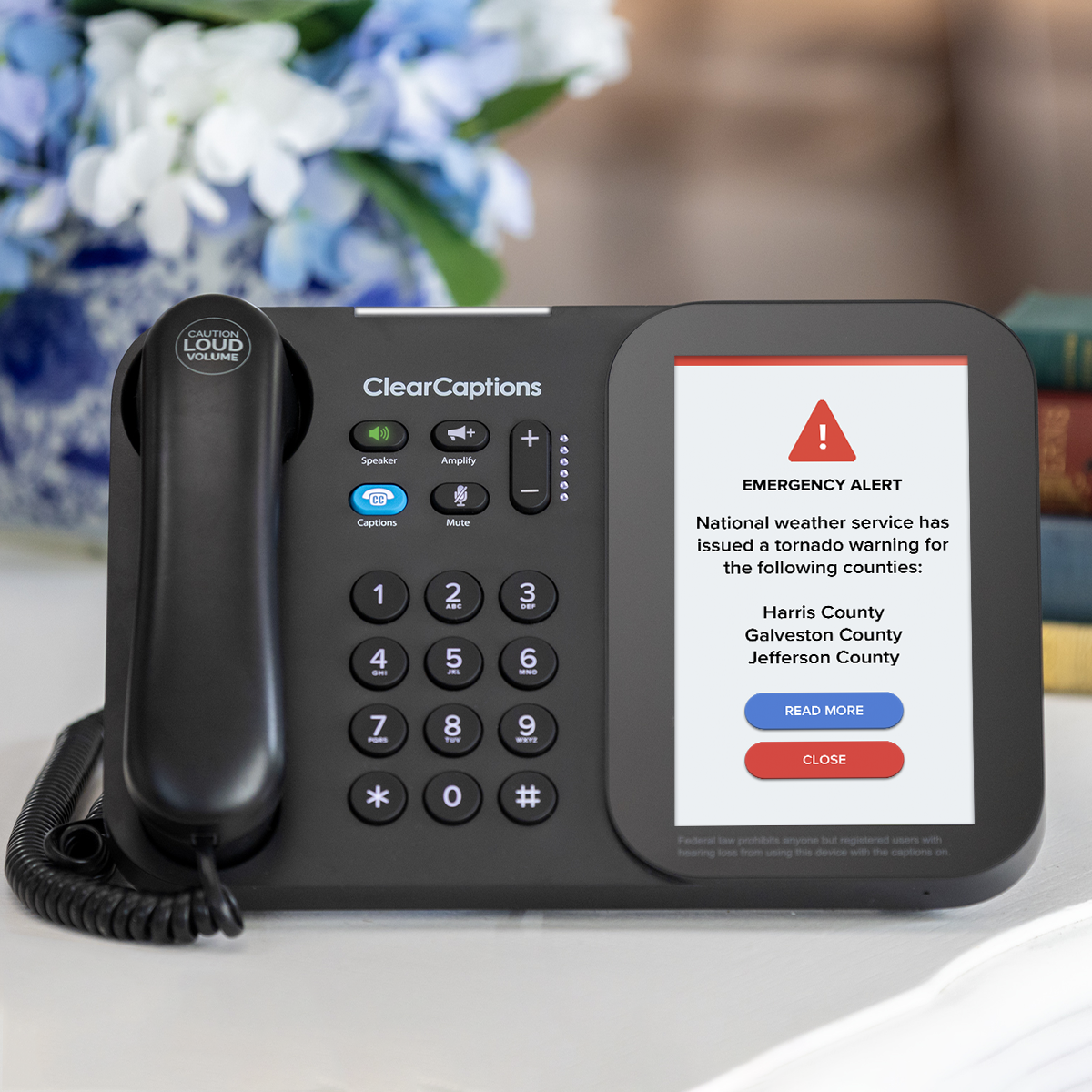
Staying hydrated, eating healthy meals, and getting regular physical activity also support both stress management and hearing health. Social connection matters too. Help them stay engaged through clubs, classes, or regular visits from family. A caption phone from ClearCaptions can also help them stay connected more easily by displaying captions of what callers say, reducing the communication strain that often adds to daily stress.
The Difference Between Normal Age-Related Loss and Stress-Exacerbated Loss
Not all hearing changes in seniors have the same cause or the same pattern. Normal age-related hearing loss, called presbycusis, happens gradually over many years. Stress-exacerbated hearing loss often looks and feels different. Knowing the difference can help you and your doctor decide on the right next steps.
| Normal Age-Related Hearing Loss | Stress-Exacerbated Hearing Loss | |
|---|---|---|
| Onset | Gradual, over years | Can appear suddenly or worsen quickly during high-stress periods |
| Pattern | Steady, progressive decline | May fluctuate; symptoms often improve when stress is reduced |
| Affected frequencies | High-frequency sounds first (birds, consonants like “s” and “f” | Can affect various frequencies; may include a sense of fulness in the ear |
| Associated Symptoms | Difficulty hearing in noisy environments | Tinnitus, dizziness, ear fulness, difficulty concentrating |
| Reversibility | Generally not reversible, but manageable | May partially of fully improve with stress management and treatment |
| What helps | Hearing aids, assistive devices, caption phones | Stress reduction, sounds therapy, addressing underlying health issues, medical evaulation |
If the person you care for seems to have hearing changes that come and go, or if their symptoms got noticeably worse during a stressful period, bring that pattern up with their doctor. It is useful information that can shape the approach to treatment.
Can Hearing Loss from Stress Be Reversed?
If you act quickly and find tools and strategies to help manage stress, in many cases, this type of hearing loss can be reversed.
Encourage recovery by:
- Removing or reducing the source of stress
- Encouraging them to use stress management techniques
- Ensuring that they’re getting enough rest and good nutrition
- Following the doctor’s advice about any medications or treatments
Even if hearing doesn’t return completely to normal, managing stress can help prevent the problem from worsening and improve quality of life.
Other Risk Factors That Can Exacerbate Hearing Loss in Seniors

Stress isn’t the only thing that can affect hearing in older adults. These other factors can make stress-related hearing problems worse:
- Certain medications
- Untreated high blood pressure or diabetes
- History of loud noise exposure
- Ear infections or wax buildup
When to Talk to an Audiologist or Hearing Specialist
While some stress-related hearing changes improve with stress management, others need professional help. Contact a doctor if the following occur:
- Sudden hearing loss in one or both ears
- Severe ringing in the ears that doesn’t go away
- Hearing loss with dizziness or balance problems
- Ear pain or drainage
Frequently Asked Questions
Can stress cause temporary hearing loss?
Yes, stress can cause temporary hearing loss. When your body is stressed, it releases hormones that can reduce blood flow to the inner ear. This can cause symptoms like muffled hearing or ringing in the ears. Many people notice their hearing seems worse during particularly stressful times, then improves when they feel calmer.
Is “stress-induced hearing loss” a recognized medical condition?
Yes. Many medical studies have found a connection between stress and hearing. While we don’t know as much about stress-related hearing loss as we do about age-related hearing loss, the medical community absolutely acknowledges that severe or chronic stress can impact hearing.
Do hearing aids help with stress-induced hearing loss?
Hearing aids can be helpful, though their role depends on what is causing the hearing difficulty. If stress has contributed to or worsened underlying hearing loss, hearing aids may make sounds clearer and easier to process, which can actually reduce the strain and frustration that often feeds stress. Some hearing aids also have built-in sound therapy or tinnitus masking features, which can help with stress-related ringing. That said, hearing aids address the symptom, not the source. Managing stress directly is still an important part of the picture. An audiologist can help determine whether hearing aids would be beneficial based on a full hearing evaluation.
Does stress cause tinnitus (ringing in the ears), or does tinnitus cause stress?
Both can be true, and that is what makes this relationship tricky. Stress can trigger tinnitus by reducing blood flow to the inner ear and sensitizing the nervous system to sound signals. At the same time, living with constant tinnitus, especially at night, creates anxiety and sleep disruption that raises stress levels. The two conditions can feed each other in a cycle. Understanding that cycle is actually helpful, because it means that addressing stress is a legitimate treatment strategy for tinnitus, not just a comfort measure. Techniques like the 4-7-8 breathing exercise, sound masking at night, and regular relaxation activities can help interrupt that loop over time.
Sources