How Your Heart Health Directly Affects Your Hearing Ability


Key Takeaways
- Conditions like high blood pressure, atherosclerosis (hardening of the arteries), heart disease, and diabetes all increase your risk of hearing loss.
- Sudden hearing loss can sometimes signal serious cardiovascular problems, including heart attack risk.
- Lifestyle choices like smoking, poor diet, and lack of exercise can harm both your heart and hearing.
- Lifestyle changes that benefit your heart also protect your hearing health.
Your heart and ears may seem unrelated, but they are more closely connected than most people realize. The tiny, delicate structures inside your ears depend on healthy blood flow to function properly.
When your cardiovascular system struggles, your hearing often suffers too. Understanding the link between hearing loss and heart disease can help you protect both your heart and your ears.
Understanding the Heart-Hearing Connection
Can heart problems affect your ears? Absolutely. Poor cardiovascular health reduces blood flow throughout your body, including to your ears.
Your ear requires a steady blood supply to process sound properly. If this blood flow is disrupted, it can affect your hearing. This explains why heart disease and hearing loss so often occur together in the same individuals.
Cardiovascular Conditions That Impact Hearing

Understanding the connections between hearing loss and heart disease, as well as other heart health problems, can help you recognize risks and act quickly when you notice them.
High blood pressure (Hypertension)
The National Institutes of Health reports that people with hypertension have higher rates of hearing loss compared to those with normal blood pressure. That’s because high blood pressure damages blood vessels throughout your body, including the tiny vessels in your inner ear.
Managing blood pressure through medication, diet, and lifestyle changes protects both your heart and hearing.
Atherosclerosis and poor circulation
Can heart problems cause hearing loss through poor circulation? Yes, and atherosclerosis (when fatty deposits build up inside your heart walls) provides a clear example.
When arteries feeding your inner ear become narrowed by plaque buildup, less oxygen-rich blood reaches your ears. Studies show that people with atherosclerosis experience hearing loss at higher rates and at younger ages than those with healthy arteries.
Heart disease and heart attack
The connection between heart disease and hearing loss stems from shared risk factors and the cardiovascular system’s role in supplying blood to your ears.
Scientists have also found connections between sudden hearing loss and heart attack. One study published by the American Heart Association showed that people with sudden hearing loss also had a higher risk of heart attack and stroke in the following years.
Diabetes and cardiovascular complications
Diabetes is another common health concern that can also affect your hearing health. According to the American Diabetes Association, people with diabetes are twice as likely to experience hearing loss compared to those without diabetes.
Risk Factors That Affect Both Heart and Hearing Health
Many lifestyle factors can affect both your heart and hearing health, such as:
- Smoking
- High cholesterol
- Obesity
- Lack of physical activity
- A diet full of salt, sugar, and unhealthy fats
- Chronic stress
Family history matters too. If hearing loss and heart disease run in your family, you face higher risks for both conditions. If you recognize these shared risk factors early, you can take the necessary steps to protect your heart and hearing.
Warning Signs You Shouldn’t Ignore
You should seek medical attention if you notice certain signs of hearing loss or health concerns, such as:
- Sudden hearing loss in one or both ears
- Dizziness or ringing
- Progressive hearing loss
- Fatigue
- Leg swelling
- Tinnitus, or whooshing sounds in your ears
Talk to your doctor if you experience any of these changes after starting a new medication. Some heart medications can occasionally affect hearing, and alternatives may be available.
If you experience hearing loss along with chest pain, shortness of breath, or irregular heartbeat, seek emergency medical care.
More Than Just Screenings: 5 Steps to Protect Your Hearing Health

Taking care of your cardiovascular system helps protect your hearing. Here are five practical steps you can take to protect your heart and hearing health.
1. Regular cardiovascular exercise
Physical activity strengthens your heart and improves circulation throughout your body, including to your inner ear. Aim to get at least 150 minutes of moderate-intensity aerobic activity weekly.
Walking, swimming, cycling, and dancing are all good ways to move your body and improve your heart health. If you don’t want to exercise alone, call a friend or family member to go on a walk with you.
2. Diet
What you eat directly affects both cardiovascular and hearing health. A healthy diet should always:
- Focus on fruits, vegetables, whole grains, lean proteins, and healthy fats from sources like fish, nuts, and olive oil.
- Limit sodium intake, which raises blood pressure and can damage delicate blood vessels in the ear.
- Reduce saturated and trans fats, which contribute to atherosclerosis (hardening of the arteries).
Foods rich in potassium, magnesium, and omega-3 fatty acids specifically support both heart and hearing health.
3. Quit smoking
Quitting smoking provides immediate and long-term benefits for your heart and ears. Smoking damages blood vessels, reduces oxygen in your blood, and increases heart disease risk.
Within weeks of quitting, your circulation improves. Within months, your risk of cardiovascular disease begins to decline.
If you need help quitting, talk to your healthcare provider about smoking cessation programs, medications, and support resources that can help you quit successfully.
4. Manage stress
Chronic stress can also harm your heart and hearing health. It raises blood pressure, increases inflammation, and can lead to unhealthy coping behaviors. High stress levels also worsen tinnitus and can contribute to hearing difficulties.
Practice stress-reduction techniques, such as meditation, deep breathing, yoga, spending time in nature, or engaging in hobbies you enjoy. Getting enough sleep and spending quality time socializing with family and friends will help keep your stress levels low.
5. Regular hearing screenings
Just as you monitor your blood pressure, cholesterol, and blood sugar, regular hearing tests help catch problems early. Adults should have their hearing tested every three years after age 50, or more frequently if they have cardiovascular risk factors.
The key to good health is to treat concerns early. Untreated hearing loss or health concerns can sometimes lead to more serious problems if they aren’t treated properly.
Your Path to Healthier Hearing and Connections
The connection between heart health and hearing ability offers both challenges and opportunities. Yes, cardiovascular problems threaten your hearing, but this also means that the steps you take to protect your heart health can also protect your hearing health. Every healthy choice you make for your cardiovascular system also benefits your hearing.
If you already have heart disease or hearing loss, do not lose hope. Careful management of your health conditions can slow or prevent further hearing decline.
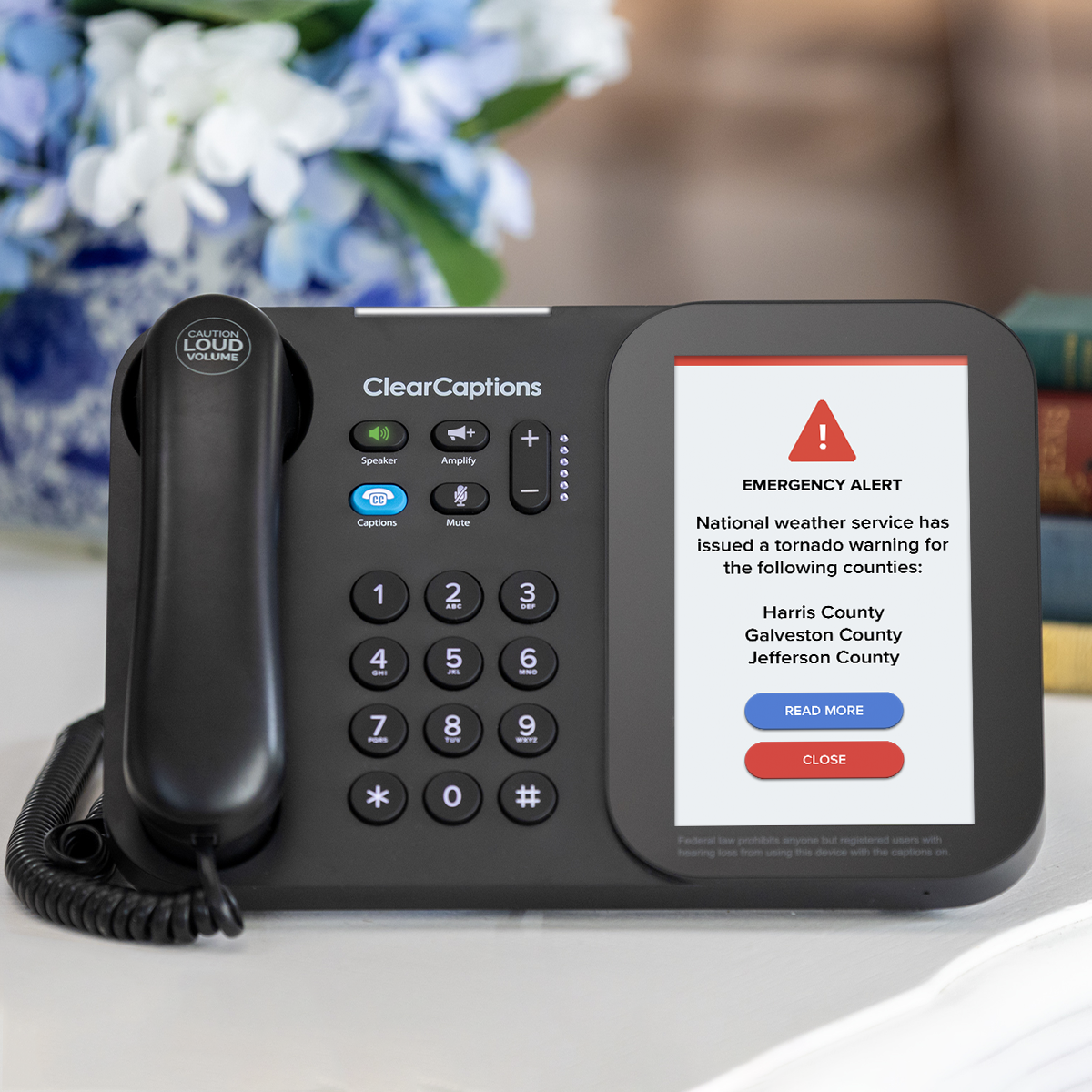
You can also use assistive devices, like caption phones, to make everyday tasks, like talking on the phone, less stressful. Designed specifically for hard-of-hearing seniors, these phones help you stay connected with loved ones even when hearing becomes challenging.
Talk with your healthcare providers about the connection between heart disease and hearing loss. When you are honest with your doctor, they are better prepared to help you through any health struggles that may come up.
Remember that protecting your heart protects your hearing, and your hearing helps you stay engaged with life’s most meaningful connections.
Frequently Asked Questions
Can heart problems cause hearing loss?
Yes, heart problems can cause sudden hearing loss. Sudden hearing loss often results from reduced blood flow to the inner ear, which can occur during cardiovascular events or with conditions that affect circulation.
If I improve my heart health, can my hearing loss be reversed?
Unfortunately, if your heart health has already caused hearing loss, it cannot be reversed. However, improving your heart health can prevent further hearing loss. Early intervention provides the best chances of preserving the hearing you still have.
Why are doctors starting to recommend hearing tests for heart patients?
Doctors have begun recommending hearing tests for heart patients after noting the link between hearing loss and heart disease. Your heart and hearing health are so closely connected that any changes in either could signal changes in the other. By carefully monitoring both, your doctor will be better equipped to preserve your hearing and heart health.
How does poor circulation cause hearing loss?
Poor circulation can cause hearing loss by reducing the delivery of oxygen and nutrients to your inner ear. These cells require constant blood flow to process sound. When circulation decreases, your inner ear can become damaged. That damage can result in permanent hearing loss.
Sources
https://www.audiology.org/consumers-and-patients/hearing-and-balance/heart-disease-and-hearing-loss/
https://pmc.ncbi.nlm.nih.gov/articles/PMC12581741/
https://pmc.ncbi.nlm.nih.gov/articles/PMC4298463/
https://www.ahajournals.org/doi/10.1161/strokeaha.108.519090
https://diabetes.org/about-diabetes/complications/hearing-loss/diabetes-and-hearing-loss