Senior Living Amenities: What to Look For


Key Takeaways
- Senior living amenities go beyond comfort. The right combination of services and features directly affects your loved one’s health, happiness, and independence.
- Independent and assisted living communities offer different amenity sets, and knowing the difference helps caregivers ask better questions during tours.
- Health and wellness amenities, including fitness programs, on-site medical support, and nutrition, are among the most important factors to evaluate.
- Social programming and recreational amenities play a meaningful role in reducing isolation, which is one of the biggest health risks for older adults.
- Accessibility and communication features, including accommodations for hearing loss, are worth asking about specifically.
Choosing a senior living community for a loved one is one of the most significant decisions a caregiver will make. There is no shortage of options, and communities often lead with impressive photos of dining rooms and garden courtyards. But the amenities that genuinely improve daily life go deeper than the aesthetic.
Understanding which senior living amenities actually matter, and which ones are mostly for show, can help you ask better questions, tour with more confidence, and ultimately find a community where your loved one will thrive.
Why Amenities Matter in a Senior Living Community
Senior living amenities are not perks. For older adults, especially those with health conditions, mobility challenges, or hearing loss, the right amenities directly affect physical health, mental well-being, and quality of daily life.
Consider what daily life looks like without the right support. A senior without easy access to nutritious meals may struggle with energy and weight management. One without social programming may go days without meaningful interaction. One without proper accessibility features may feel frustrated and increasingly withdrawn.
Research and industry data confirm that demand for high-quality senior living amenities is growing, and communities are responding. But knowing what to look for keeps the focus on your loved one’s actual needs rather than flashy features that sound good on a brochure.
Core Amenities to Expect in Any Senior Living Community

Whether you are exploring assisted living or independent senior living, there is a baseline set of amenities that any reputable community should offer.
Dining services. Three meals a day should be included, with options that accommodate dietary restrictions, cultural preferences, and nutritional needs. Restaurant-style dining with varied menus signals a community that takes resident satisfaction seriously.
Housekeeping and laundry. Regular cleaning services and laundry either included or available on-site reduce the burden of daily chores and let seniors focus on activities they enjoy.
Transportation. Scheduled transportation to medical appointments, grocery stores, and local destinations gives residents independence even when they can no longer drive.
24-hour staffing. Staff should be available around the clock, both for emergency response and for routine assistance. Ask how staff-to-resident ratios are maintained overnight.
Maintenance services. On-site maintenance means your loved one is not waiting days for a broken fixture to be repaired or left managing a problem on their own.
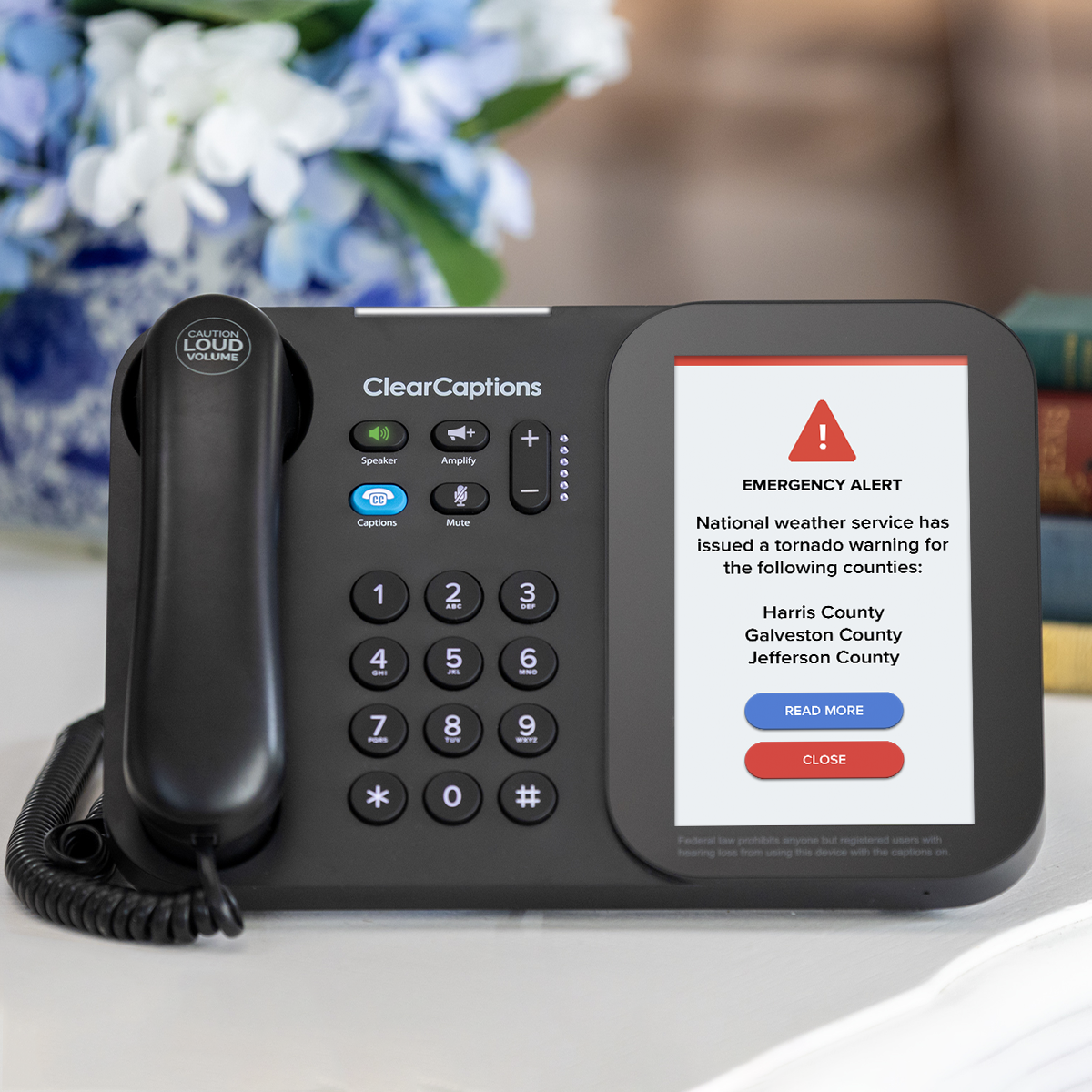
Communication accessibility. For seniors with hearing loss, this is one of the most important and most overlooked areas. Ask whether the community has captioned phones available, visual alert systems for fire alarms and doorbells, and staff trained to communicate effectively with residents who have hearing loss. A community that takes accessible communication seriously will have clear answers to these questions.
Independent Senior Living Amenities
Independent living communities are designed for active seniors who do not need daily medical or personal care assistance but want the convenience, community, and security that come with a managed environment. The amenities in these communities tend to emphasize lifestyle, engagement, and ease of living.
Common independent senior living amenities include:
Fitness centers and group exercise. Access to on-site fitness equipment and organized classes such as yoga, water aerobics, or tai chi supports both physical health and social connection. Look for programs led by trained instructors familiar with senior fitness needs.
Walking paths and outdoor spaces. Well-maintained outdoor areas, including gardens, walking trails, and seating areas, encourage daily movement and time in fresh air. These are particularly valuable for residents who enjoy gardening or simply spending time outside.
Continuing education and enrichment programs. Many independent living communities offer lecture series, art classes, language courses, and other learning opportunities. These keep minds engaged and give residents a sense of purpose and growth.
Concierge services. Help with scheduling, reservations, and general logistics takes the friction out of daily planning and helps seniors manage their lives with greater ease.
Swimming pools and recreational facilities. Pools, billiards rooms, game rooms, and similar spaces provide both exercise and social opportunities that make community life enjoyable.
On-site retail and services. Hair salons, banks, pharmacies, and small shops on-site reduce the need for frequent outside trips and help seniors maintain their routines independently.
The hallmark of strong independent senior living amenities is that they give residents the ability to continue living full, active lives on their own terms, with support available when they want it.
Assisted Living Amenities That Support Daily Life

Assisted living communities provide more hands-on support than independent living, including help with activities of daily living like bathing, dressing, medication management, and mobility. The amenities in these communities should reflect that higher level of care while still preserving as much independence and dignity as possible.
Key assisted living amenities to evaluate:
Personal care services. Bathing, grooming, dressing, and toileting assistance should be available and delivered with consistency and dignity. Ask how care plans are created, how often they are reviewed, and how staff is trained.
Medication management. Staff should be able to administer medications on schedule and maintain accurate records. This is one of the most critical services in assisted living, and communities vary considerably in how they handle it.
On-site medical support. Many assisted living communities have visiting physicians, nurses on staff, or partnerships with home health agencies. Some have on-site physical, occupational, and speech therapy. The more comprehensive the on-site medical support, the fewer outside appointments your loved one will need.
Memory care programming. If your loved one has dementia or cognitive changes, ask whether the community has a dedicated memory care unit with specialized programming, secure outdoor spaces, and staff trained specifically in dementia care.
Emergency call systems. In-room and bathroom emergency pull cords or wearable alert devices give residents a direct line to staff at any time. Ask how quickly staff typically responds to calls.
Adaptive dining. Good assisted living communities accommodate residents who need help eating, adaptive utensils, or modified food textures. Meals should be a comfortable, dignified experience regardless of a resident’s physical limitations.
Communication support for hearing loss. For residents with hearing loss, clear communication with staff is a safety and care issue, not just a comfort issue. Ask whether rooms have visual alert systems, whether staff receives any training related to hearing loss, and whether captioned telephone services are available. For more on how communication affects daily life for seniors with hearing loss, see our guide on making every conversation count.
Senior Community Amenities to Prioritize
Across both independent and assisted living, senior community amenities prioritizing health and wellness consistently rank among the most important factors for resident satisfaction. Here is what to look for and why each matters.
Fitness programming tailored to seniors. Generic gym equipment is less valuable than structured programs designed with senior fitness in mind. Chair yoga, balance classes, and low-impact aerobics all contribute to fall prevention, cardiovascular health, and overall strength.
Nutritious, varied dining. Food quality directly affects energy, cognition, and long-term health. Look for communities that employ a registered dietitian, offer medically appropriate meal options, and take resident preferences seriously rather than defaulting to a fixed menu.
Mental health and emotional support. Some communities offer access to social workers, counselors, or support groups. Given the significant transition that moving into senior living represents, emotional support resources are genuinely valuable and worth asking about.
Preventive health screenings. On-site health clinics or visiting practitioners who provide routine screenings (blood pressure, vision, hearing) help catch problems early and reduce the burden of outside appointments.
Physical and occupational therapy. Whether offered on-site or through an established referral network, access to rehabilitation services helps seniors recover from illness or injury and maintain functional independence.
Hearing care access. For the many older adults with some degree of hearing loss, access to audiologists or hearing care professionals, and the presence of communication-accessible technology like captioned phones, is a health priority. Hearing loss that goes unaddressed is connected to increased risk of cognitive decline, falls, and social withdrawal. A community that treats hearing health as part of overall wellness is a stronger choice.
Social and Recreational Amenities That Reduce Isolation

Social isolation is one of the most serious health risks facing older adults. Research published by the National Institute on Aging has found that social isolation is associated with higher rates of depression, cognitive decline, and even increased mortality. Senior community amenities that encourage connection and participation play a direct role in protecting residents’ health.
Look for senior living amenities that offer:
Organized social activities. Calendars should be full and varied, including group outings, game nights, movie screenings, holiday celebrations, and themed dinners. More important than the specific activities is that they happen consistently and that residents are genuinely engaged, not just physically present.
Volunteer and purpose-driven programs. Opportunities to contribute, mentor, or participate in community service give seniors a sense of purpose that pure leisure activities alone cannot provide.
Intergenerational programming. Some communities partner with local schools or youth organizations to create programming that brings younger and older generations together. These programs consistently report positive outcomes for senior residents’ mood and engagement.
Religious and spiritual services. Access to chapel services, pastoral care, or transportation to local houses of worship matters deeply to many seniors and should not be overlooked.
Common spaces designed for gathering. Look beyond the main lobby. Are there smaller living rooms, card rooms, or outdoor seating areas where residents can gather in smaller groups? Intimate spaces encourage organic connection, which is just as important as organized programming.
Family communication support. Communities that make it easy for residents to stay in touch with family, whether through reliable Wi-Fi, available private spaces for calls, or accessible communication technology, support the relationships that matter most to residents.
Frequently Asked Questions
What amenities are typically included in senior living communities?
Most senior living communities include dining services, housekeeping, scheduled transportation, 24-hour staffing, maintenance, and a calendar of social and recreational activities. The depth and quality of these amenities vary significantly between communities, which is why touring in person and asking specific questions matters more than relying on a community’s website alone.
How do assisted living amenities differ from independent senior living amenities?
Independent senior living amenities focus heavily on lifestyle, engagement, and convenience, since residents are largely self-sufficient. Assisted living amenities include all of that plus hands-on personal care support, medication management, on-site medical resources, and adaptive services for residents with more significant health or cognitive needs. For a closer look at how these two levels of care compare overall, see our guide on assisted living vs. skilled nursing.
What wellness amenities should I look for in a senior community?
Prioritize communities with structured fitness programs designed for seniors, nutritious and varied dining, access to physical and occupational therapy, mental health support resources, and preventive health screenings. For seniors with hearing loss, communication-accessible technology and hearing care access are also important wellness considerations.
How important are social amenities in senior living?
Very important. Social connection is directly linked to physical and cognitive health outcomes in older adults. A community with a rich, varied social calendar and spaces designed to encourage interaction will generally produce better quality-of-life outcomes than one with strong medical amenities but limited social programming. Both matter, and the strongest communities invest in both.