National Eye Exam Month: A Senior’s Guide to Healthy Vision
Key Takeaways
- Many serious eye diseases develop without pain or noticeable symptoms. Regular eye exams are the best way to catch them early.
- The American Optometric Association recommends that adults over 60 get an eye exam every year, even if they see well and do not wear glasses.
- Some vision changes require immediate attention. Sudden vision loss, double vision, new flashes of light, a large increase in floaters, and sudden eye pain are all reasons to contact an eye doctor right away.
- Daily habits protect your eye health. A nutritious diet, UV-protective sunglasses, and good lighting at home all support long-term eye health.
- Protecting your vision is one of the best things you can do for your independence. Schedule an eye exam today if you’ve been putting it off.
Vision changes can creep up so slowly that they’re easy to overlook. While some changes are a normal part of getting older, others are warning signs worth taking seriously before they become bigger problems.
Good vision is directly tied to staying independent, active, and connected, whether that means reading a book to your grandkids or driving safely at night. Protecting your vision starts with knowing what warning signs to look out for.
Why Vision Health Is So Important for Seniors
Just like your hearing health, vision health is an important marker of your overall health, and both help you maintain independence as you get older. Our sight affects how safely we move around, how easily we drive, and how confidently we engage with the world day to day.
When vision loss goes unaddressed, many older adults find themselves pulling back from things they enjoy and becoming socially isolated. The simple act of going out and spending time with friends and family begins to feel like a chore, leading many to just stay in. The pattern is similar to what happens with untreated hearing loss in the way gradual withdrawal can lead to isolation. It doesn’t have to be this way.
With regular care, many of the most common vision problems can be caught early and managed well. Prioritizing a yearly eye exam gives your doctor a chance to spot changes before you notice them yourself.
Common Eye Problems in the Elderly
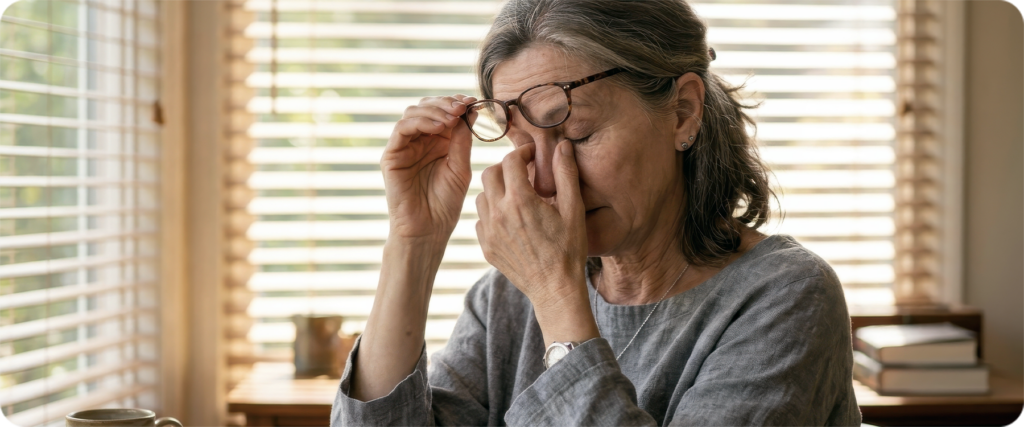
Many eye diseases develop slowly and without pain. You may not notice anything is wrong until the condition has already progressed. This is why the American Optometric Association recommends that adults over 60 get an eye exam every year, even if they see well and do not wear glasses. Knowing the signs and symptoms of these conditions makes it easier to recognize changes and have informed conversations with your eye doctor.
Glaucoma
Glaucoma is a tricky eye problem to diagnose because it rarely causes physical pain. It also doesn’t blur your vision right away or have immediate “tells.” Instead, the disease slowly creeps in from the outer edges of your line of vision. This causes your outer field of vision to shrink, meaning you can no longer catch objects out of the corner of your eye without turning your head. Glaucoma is sometimes referred to as the “silent thief of sight.” Left untreated, the nerve damage it causes can become permanent. People with a higher risk of developing glaucoma include those with a family history of glaucoma, African Americans, and adults over the age of 60.
Cataracts
If your vision has started to look a bit hazy, or like you’re looking through a permanently smudged or foggy window, you are likely dealing with cataracts. A cataract develops when the natural lens inside your eye becomes cloudy. This common condition physically clouds the lens inside your eye, causing blurry vision, making night driving difficult due to glares and halos around headlights, and it can take the pop out of colors, making them look a bit dull or yellowed. While cataracts are very common with age, surgical treatment is safe, routine, and highly effective.
Age-Related Macular Degeneration (AMD)
Think about all the small tasks that require you to look directly at something. This could include reading the morning paper, threading a needle, or noticing visual cues in someone’s facial expressions. All of these everyday actions rely on the “macula,” a tiny spot at the back of your eye. AMD gradually wears down this spot and affects your central vision. You might not notice anything early on, but as the disease progresses, a persistent blurry blind spot appears right in the middle of your sight. This is currently the leading cause of vision loss for adults over 50.
Dry eyes
As we get older, our bodies naturally produce fewer tears, and many common daily medications can dry things out even further. This often leaves your eyes feeling gritty, burning, or suddenly blurry out of nowhere. While many people reach for over-the-counter drops, an eye doctor can offer much more effective, targeted treatments to give your eyes their comfort back.
Vision Symptoms That Require an Immediate Eye Exam
While most age-related vision changes happen gradually, sudden symptoms are an emergency. If you experience any of the signs below, see an eye doctor immediately. Acting fast can mean the difference between saving your sight and permanently losing it.
Sudden vision loss
Any abrupt loss of vision in one or both eyes should be considered an emergency. This could be a sign of a detached retina, blocked blood vessels, or a stroke. If this happens to you, seek immediate medical attention.
Double vision
Seeing two of something where there should be one is a major red flag for the health of your eye muscles, cornea, or nerves. This needs to be checked out by a professional right away.
Seeing flashes of light
If you see sudden flashes of light, especially out of the corner of your eye, your retina might be tearing or pulling away. You need to see a doctor immediately to protect your sight
A sudden increase in eye floaters
Floaters are the small specks or thread-like shapes that drift across your vision, most noticeable when you look at something bright like a clear sky. A few here and there are common and harmless. If you suddenly see many new floaters all at once, especially if you also see flashes of light, visit an eye doctor as soon as you can.
Sudden or persistent eye pain
Sharp eye pain that comes on quickly or does not go away can mean there is elevated pressure in the eye, an infection, or an injury. Pain paired with redness, nausea, or vision changes is especially urgent.
Tips for Maintaining Eye Health as You Age
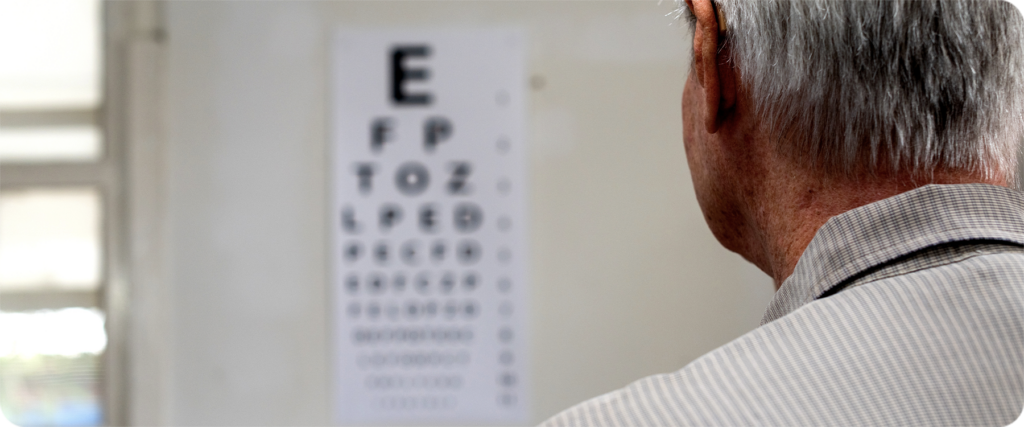
Regular care and a few consistent habits can go a long way toward protecting your vision over time.
Schedule regular eye exams
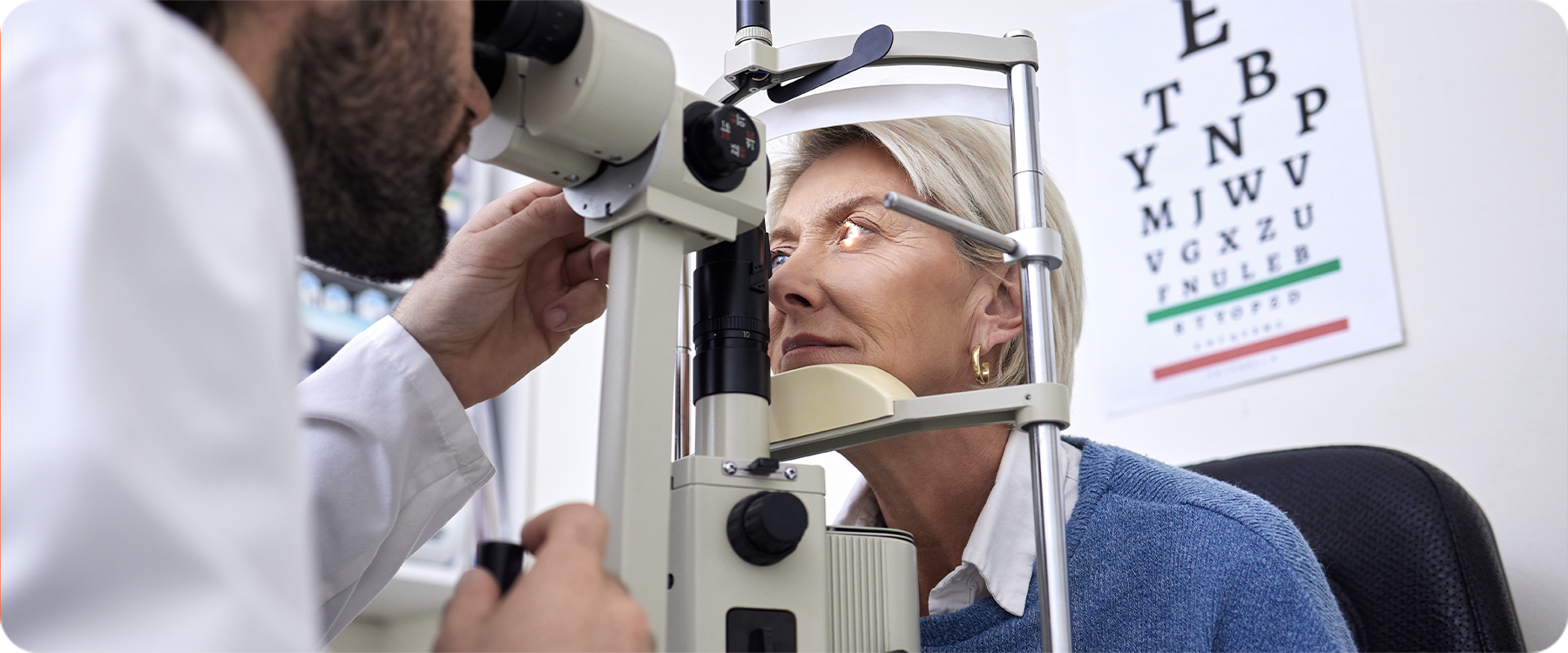
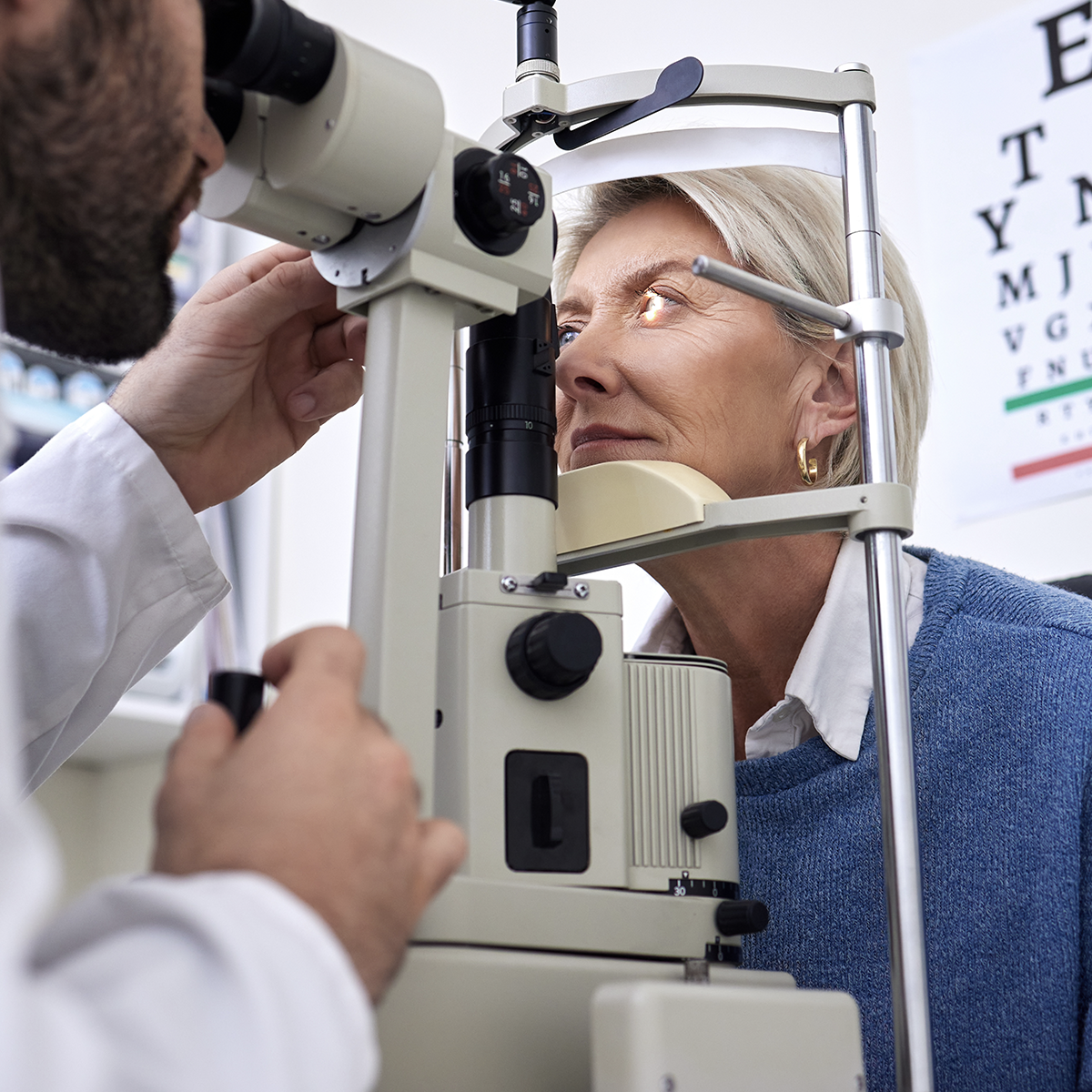
The American Optometric Association recommends annual eye exams for adults over 60. A yearly visit keeps your glasses prescription up to date. More importantly, it gives your doctor a chance to catch serious eye conditions before you lose any sight. If you have diabetes, high blood pressure, or a family history of eye disease, your doctor may recommend more frequent visits.
Keep your home well lit
As we get older, our eyes require more light to see clearly. Dim rooms can cause eye strain as well as create a major tripping hazard. Brighter bulbs in reading areas, stairways, hallways, and bathrooms will help you see more clearly and reduce fall risks.
Wear sunglasses with UV protection
Prolonged exposure to the sun’s ultraviolet rays contributes to cataract development over time and raises the risk of AMD. Look for sunglasses labeled 100% UVA/UVB protection and wear them whenever you are outdoors, even on overcast days.
Eat a healthy diet
Leafy greens, fish rich in omega-3 fatty acids, and colorful fruits and vegetables contain nutrients that act like a natural protectant for your eyes. Loading your plate with spinach, kale, and fish is a simple way to protect against cataracts and vision loss.
Manage underlying health conditions
Conditions like diabetes and high blood pressure can affect the small blood vessels inside the eye, sometimes causing vision problems before any other symptoms appear. Keeping these conditions well managed and staying current with medications also supports your eye health.
Protecting your sight is one of the best things you can do for your independence. If your eyesight has felt off recently, or if it’s been a while since you’ve been in for an exam, call your doctor today and take the right steps toward protecting your vision health.
Frequently Asked Questions
How often should seniors take an eye exam?
The American Optometric Association recommends annual eye exams for adults over 60. People with diabetes, high blood pressure, or a family history of eye disease may need to be seen more frequently. Even if your vision feels fine, regular exams are the only reliable way to detect conditions that develop without noticeable symptoms.
What is the most common eye condition in older adults?
Cataracts are the most common age-related eye condition. Age-related macular degeneration is the leading cause of significant vision loss in adults over 50. Both can be detected and managed more effectively when caught early.
Can vision loss from glaucoma be reversed?
Vision lost to glaucoma cannot be recovered, which is why early detection matters so much. When caught before significant damage has occurred, glaucoma can often be managed with medication, laser treatment, or surgery to prevent further progression.
Are eye floaters a cause for concern?
Occasional floaters are common and usually harmless. A sudden increase in floaters, especially when paired with flashes of light or a shadow across your vision, can signal a retinal problem and should be evaluated by an eye doctor immediately.
Does diet affect eye health?
Yes. Nutrients like lutein, zeaxanthin, omega-3 fatty acids, and vitamins C and E have been linked to a lower risk of age-related eye conditions. A diet rich in leafy greens, fish, and colorful vegetables supports long-term eye health alongside regular care.