How Hearing Tests Help Catch Hearing Loss Early in Seniors

Key Takeaways
- Regular hearing screenings help detect hearing loss before it becomes severe.
- Seniors should have their hearing checked at least once every three years after age 50.
- A standard hearing test takes 30 to 60 minutes and is painless.
- Untreated hearing loss can lead to social isolation, depression, and cognitive decline.
- Medicare covers diagnostic hearing tests but not routine screenings in most cases.
The “Ripple Effect” of Untreated Hearing Loss
Hearing loss doesn’t just affect the ears. It creates a ripple effect throughout someone’s entire life.
When your loved one can’t hear clearly, they may start avoiding conversations. Family dinners become frustrating instead of enjoyable. They might stop attending church services, skip community events, or stop participating in group activities.
The impact goes beyond social situations. Research shows that untreated hearing loss increases the risk of falls, dementia, and depression in older adults.
You might notice your parent turning up the TV volume higher than they used to. They might repeatedly ask people to repeat themselves during conversations. These small changes add up over time, creating distance between your loved one and the world around them.
What Regular Hearing Check-Ups Can Detect Early
Hearing tests for seniors do more than measure how well someone hears sounds. They identify specific types of hearing problems and their causes. A complete hearing screening can detect:
- Age-related hearing loss: This type of hearing loss typically relates to high-pitched sounds, like children’s voices, first.
- Conductive hearing loss: This happens when something is blocking the inner ear, like earwax buildup, fluid, or an ear infection.
- Sensorineural hearing loss: This occurs when the inner ear or hearing nerve is permanently damaged.
- Mixed hearing loss: This type of hearing loss is a combination of both conductive and sensorineural elements.
Recognizing the Signs: When to Schedule a Check-Up
Knowing when to get a hearing test can prevent minor issues from becoming major problems. Watch for these warning signs in your loved one:
- Frequently asking people to repeat themselves
- Turning up the TV or radio volume to levels others find too loud
- Difficulty following conversations in noisy environments like restaurants
- Complaining that others mumble or don’t speak clearly
- Missing phone calls or doorbell rings
- Withdrawing from social situations they previously enjoyed
- Responding inappropriately in conversations because they misheard
- Fatigue after social events from straining to hear
If you notice any of these signs, it’s time to schedule a hearing screening. Don’t wait for your loved one to complain about their hearing. Many seniors don’t realize how much they’re missing.
How Often Should Seniors Have Their Hearing Checked?
Prevention is easier than treatment. Regular hearing tests for seniors should be part of routine healthcare, just like blood pressure checks and eye exams. These regular check-ups create a hearing history. Doctors can track small changes over time and intervene before hearing loss becomes severe.
Here are the recommended guidelines:
- Ages 50-60: Retest every three years if results are normal.
- Ages 60 and older: Have hearing checked every one to two years.
- Any age with risk factors: Annual testing is recommended for seniors with diabetes, cardiovascular disease, or a history of noise exposure.
- After noticing changes: Schedule an appointment immediately if your loved one is having difficulties.
What to Expect During a Hearing Check-Up

Many seniors avoid hearing tests because they don’t know what to expect. Talking about hearing loss and the appointment with your loved one will help them feel more comfortable.
Here are some key talking points:
- Most appointments last 30 to 60 minutes.
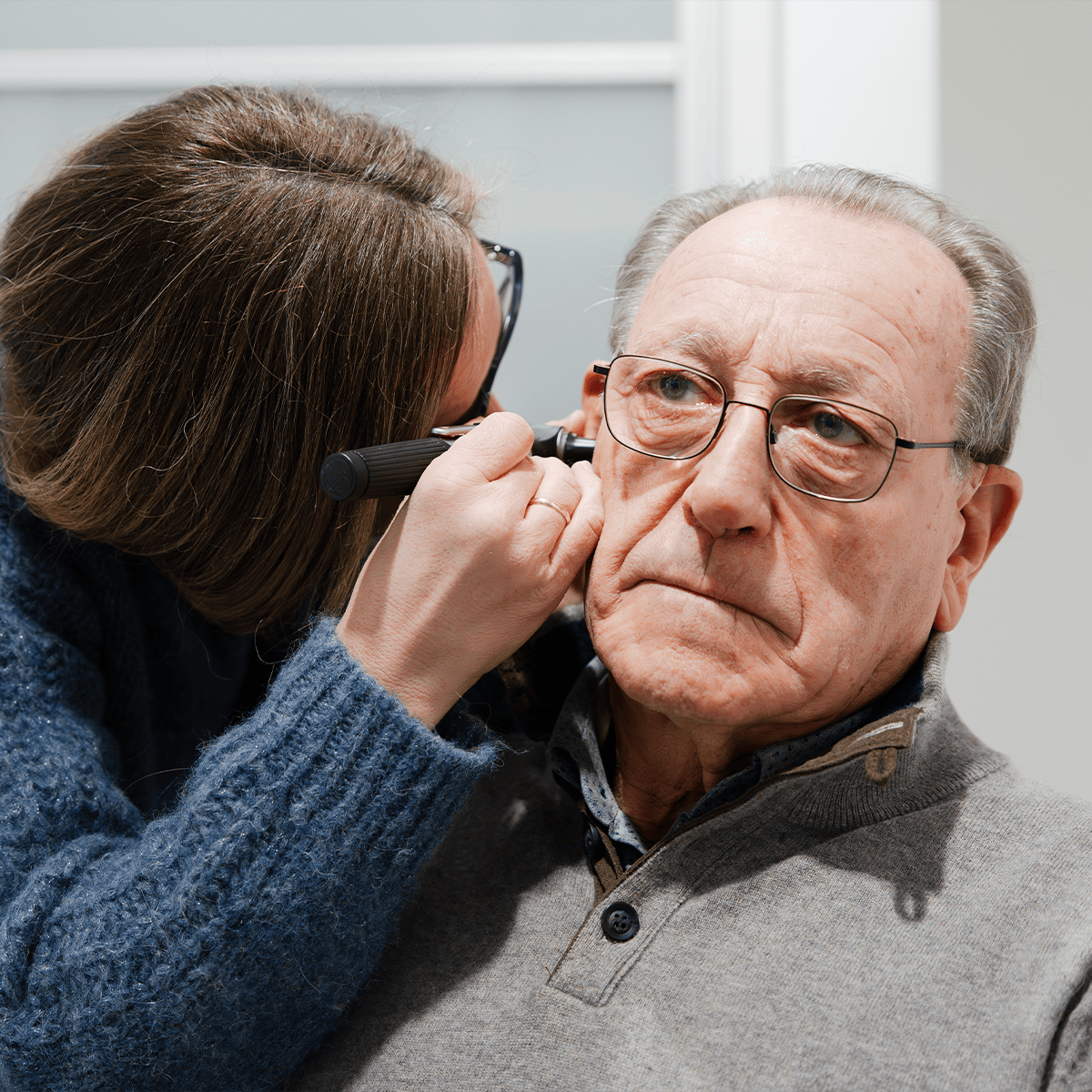
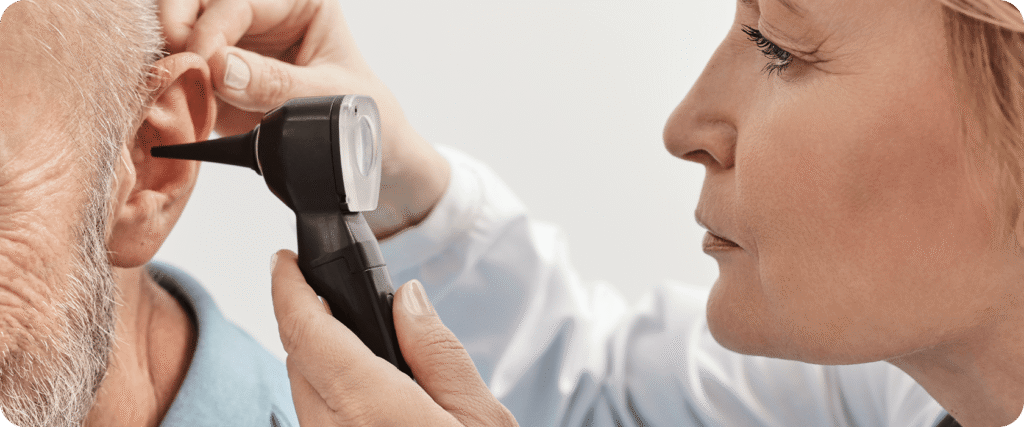
- The audiologist will ask about medical history and current hearing concerns. They’ll examine the ears with a special light to check for wax buildup or other visible problems.
- The hearing screening will take place in a quiet booth. Your loved one will listen for different tones and sounds, raising their hand or pressing a button when they hear something. Some tests include repeating words at various volumes.
- After testing, the audiologist will explain the results using a chart called an audiogram.
The entire process is painless and non-invasive. There are no needles, medications, or uncomfortable procedures. Think of it like a vision test, but for the ears.
What Happens If Hearing Loss Is Detected Early?
Early detection of hearing loss opens up more treatment options. When hearing loss is detected in its early stages, interventions are more effective, and adaptation is easier.
The audiologist will discuss the type of hearing loss and explain how it affects daily life. They will also recommend the next steps.
Mild hearing loss might only require monitoring and periodic retesting. More significant loss usually benefits from hearing aids or other assistive devices.
Early intervention helps seniors maintain their communication skills. They won’t have time to develop bad habits like avoiding conversations or pretending to hear when they don’t.
Bridging the Gap: Solutions After Diagnosis
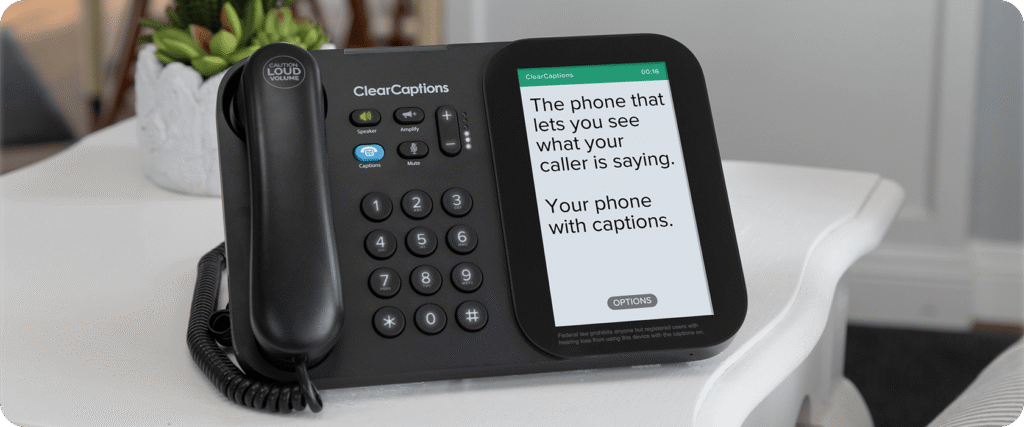
Here are some common technologies that can help seniors with hearing loss stay connected:
- Hearing aids now come in nearly invisible styles with Bluetooth connectivity. They can connect directly to smartphones, TVs, and other devices.
- Assistive listening devices amplify specific sounds in challenging environments like theaters or places of worship.
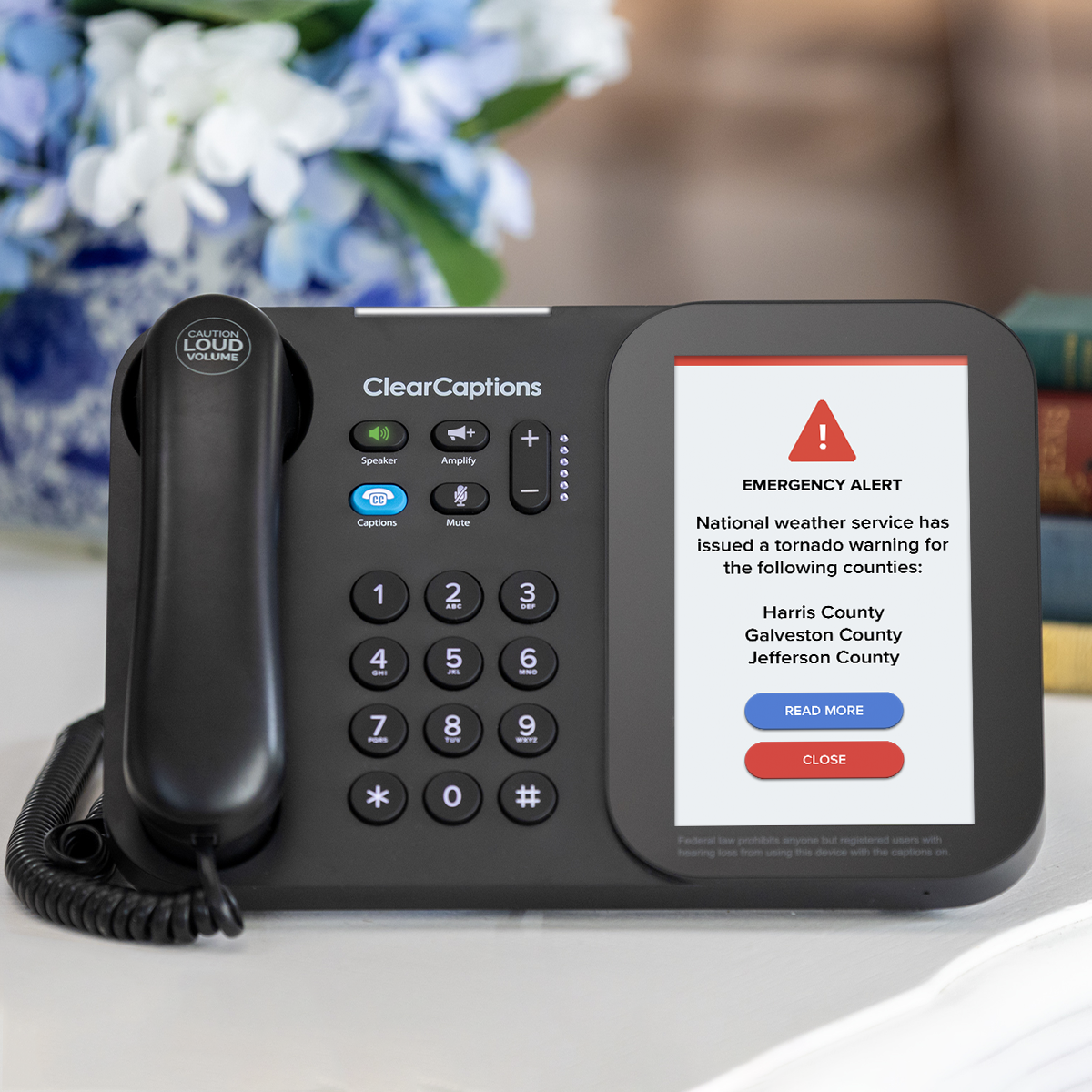
- Captioned telephones, like the ClearCaptions Phone, display written captions of phone conversations. This helps seniors stay connected with family and friends despite their hearing loss. These devices are often available at no cost to qualified individuals.
- Home alert systems use lights or vibrations instead of sounds for doorbells, smoke alarms, and alarm clocks.
The right combination of solutions depends on your loved one’s specific needs, lifestyle, and type of hearing loss.
The Risks of Ignoring Hearing Loss
Postponing hearing tests or avoiding treatment carries serious risks. Untreated hearing loss will typically get worse over time.
Research links untreated hearing loss in seniors to increased risk of dementia and cognitive decline. Depression and anxiety rates are higher among seniors with untreated hearing loss. The isolation and frustration of communication difficulties can often take an emotional toll.
Safety concerns also increase. Seniors who can’t hear car horns, sirens, or warning shouts face a higher risk of accidents.
Supporting Your Loved One’s Hearing Health Journey
Your role as a caregiver extends to supporting hearing health. Here are practical ways to help:
- Schedule the appointment. Many seniors resist getting their hearing tested. Offer to make the call and/or accompany them to the appointment.
- Provide transportation. Remove barriers by driving them to and from the audiologist’s office.
- Be present during the results. Help ensure no details are missed by listening in and taking notes of what the doctor recommends.
- Research solutions together. Help your loved one understand their options and make informed decisions.
- Practice patience. Adjusting to hearing aids takes time.
- Modify communication. Face your loved one when speaking, reduce background noise, and speak clearly.
- Celebrate progress. Acknowledge improvements and small victories in their hearing health journey.
Frequently Asked Questions
How often should seniors get their hearing checked?
Seniors aged 50-60 should have hearing tests every three years. After age 60, testing every one to two years is recommended. Annual hearing screenings are best for seniors with risk factors, such as diabetes or heart disease.
How do I convince my elderly loved one to get a hearing test?
Focus on the benefits rather than the problem. Emphasize how better hearing will help them enjoy family gatherings, stay safe, and remain independent. Offer to schedule the appointment and go with them. Share that the test is quick, painless, and provides valuable information about their health.
How much does a hearing test cost?
Hearing test costs vary widely. Many insurance plans cover diagnostic hearing tests when medically necessary. Always check with your insurance provider and the testing facility about costs before scheduling.
Does Medicare cover routine hearing exams?
Original Medicare does not cover routine hearing exams or hearing aids. However, Medicare Part B covers diagnostic hearing tests when ordered by a doctor. Some Medicare Advantage plans offer additional hearing benefits. Check your specific plan for coverage details.
Can hearing loss be reversed if caught early?
It depends on the type. However, early detection of hearing loss allows for earlier intervention with hearing aids or other devices, which significantly improves quality of life.
What is the difference between a screening and a full hearing evaluation?
A hearing screening is a quick pass/fail test that identifies whether hearing loss might be present. It takes just a few minutes. A full hearing evaluation is comprehensive and will take around 30-60 minutes.
How long does a hearing test take?
A complete hearing test typically takes 30 to 60 minutes. This includes reviewing the medical history, examining the ears, administering various hearing tests, and discussing the results. Simple hearing screenings at community events may take only 5-10 minutes, but they aren’t as thorough as complete audiologist evaluations.