Can Hearing Loss Be Reversed? Treatments, Limitations & What Works
Key Takeaways
- If your hearing loss is caused by earwax buildup, infections, or certain medications, it may be reversible.
- Age-related and noise-induced hearing loss typically cannot be reversed.
- Hearing aids, assistive devices, and lifestyle changes help when hearing cannot be fully restored.
- Protecting your hearing and using available technology can improve your quality of life.
Understanding Hearing Loss: What’s Happening in the Ear
To understand how to reverse hearing loss, you need to know how hearing works. Sound travels through three main parts of the ear:
- The outer ear: where sound waves are caught and sent down the ear canal
- The middle ear: where sound waves vibrate tiny bones
- The inner ear: where thousands of tiny hair cells create the sounds you hear
When something interferes with this process, hearing loss can occur. Sometimes, you can reverse hearing loss. Other times, you can only treat it.
When Can Hearing Loss Be Resolved?
The most reversible type of hearing loss is caused by earwax buildup. When earwax blocks the ear canal, it prevents sound from reaching the middle and inner ear properly. If this happens, a doctor or audiologist can safely remove the earwax, reversing hearing loss.
Ear infections can also cause temporary hearing loss. When fluid builds up behind the eardrum during an infection, it interferes with hearing. Once the infection is treated, the fluid will drain, and hearing typically returns to normal.
Some antibiotics, chemotherapy drugs, and high doses of aspirin can cause hearing damage. If caught early, stopping or switching the medication may allow hearing to recover. However, it is not always possible to reverse hearing loss caused by medications, so it is important to work closely with your doctors.
Hearing loss can sometimes be caused by a perforated eardrum, damaged middle ear bones, or abnormal bone growth. In this case, reversing hearing loss may require surgery.
When Hearing Loss Cannot Be Fully Reversed
As we age, the hair cells in the inner ear gradually wear out and die. Years of exposure to everyday sounds, natural aging, and reduced blood flow to the ear can contribute to age-related hearing loss.
You also cannot reverse hearing loss caused by loud noise. Whether it came from working in noisy environments, listening to loud music, or a single traumatic noise event, the damage cannot be undone.
Hearing loss caused by genetics, head trauma, or certain diseases is typically not reversible either. In this case, you’ll need to find the right tools to help you hear, rather than focusing on how to reverse hearing loss naturally.
Modern Treatment Options to Improve Hearing
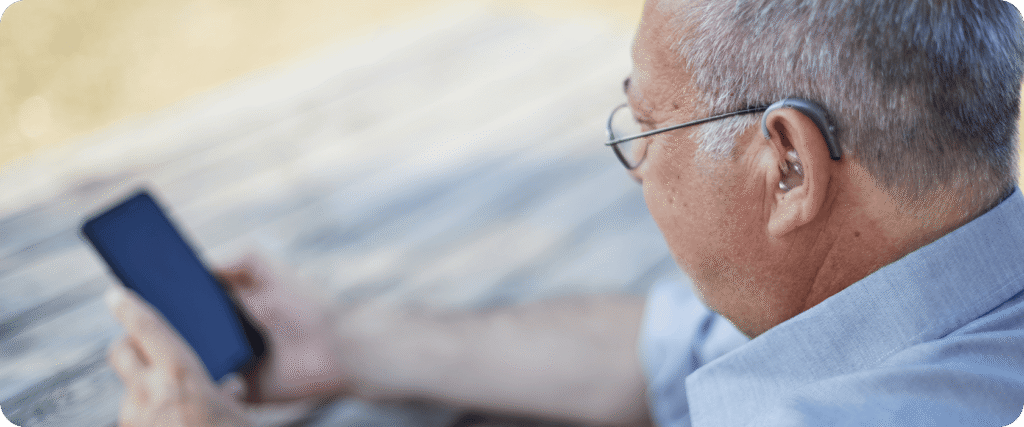
Luckily, there are several treatment options available to help you manage your hearing loss. The most popular options include:
- Hearing aids
- Hearing amplifiers
- Cochlear implants
- Assistive listening devices, like caption phones
These tools don’t reverse hearing loss, but they can help you manage daily tasks and restore your independence and confidence.
Can Hearing Be Restored Through New Science?
Scientists are researching exciting new ways to potentially reverse hearing loss. Some ideas include:
- Gene therapy to repair or replace faulty genes that cause hearing problems
- Stem cell research
- Drug therapies to protect or regenerate hair cells
While these developments offer hope, they remain unreliable at this time. Instead of focusing on new science developments, you should focus on proven solutions available to you today.
Solutions When Hearing Can’t Be Fully Restored
Living well with permanent hearing loss is absolutely possible. The key is to accept that hearing may differ, but communication doesn’t have to suffer.
Millions of seniors rely on:
- Improved communication strategies, such as facing people when they’re speaking to you, or focusing on facial expressions and body language
- Caption phones
- Hearing amplification
- Hearing aids
Hearing loss can also bring feelings of sadness or depression. Finding support groups or counseling can help you address these feelings, as well as introduce you to people who are dealing with the same hearing challenges that you are.
Natural Ways to Support Hearing Health
While you cannot naturally reverse hearing loss in most cases, you can protect remaining hearing and support overall ear health. Prevention is powerful, even after some hearing loss has occurred.
You can support and protect your hearing health by:
- Wearing ear protection when you’ll be in loud environments
- Avoiding prolonged exposure to loud sounds
- Exercising regularly
- Eating a healthy and well-balanced diet
- Not inserting cotton swabs or other objects into the ear canal
- Attending regular hearing exams and check-ups
Hearing Loss and Quality of Life
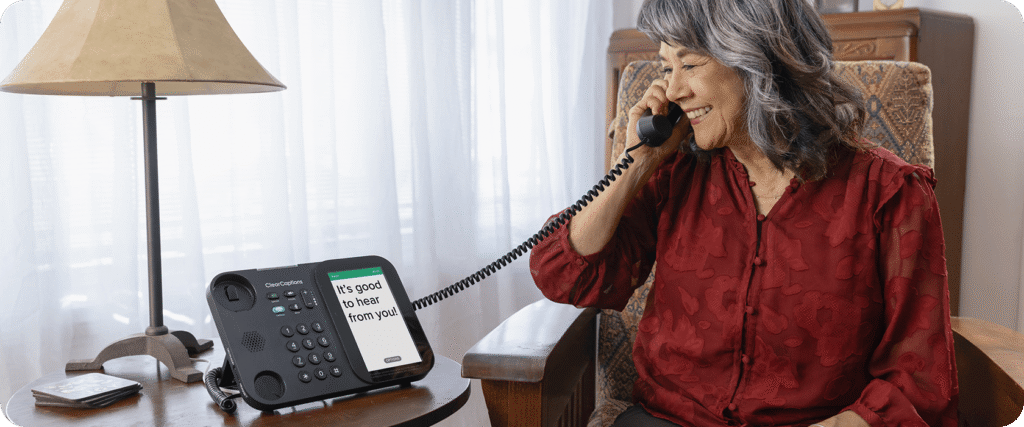
If you have been struggling with phone conversations due to hearing loss, ClearCaptions offers a caption phone and service at no cost to qualified individuals. This caption phone allows you to read what your callers say, so you’ll never miss a word in your conversations with family, friends, and doctors.
Remember, hearing loss is a common human experience. You don’t have to be ashamed or embarrassed to ask your family or medical professionals for help when you start to struggle with your hearing or notice cricket sounds in your ears.
The sooner you ask for help, the better your chance will be to find the right tools and strategies to improve your daily life. Explore your options today and help yourself stay connected to the people, places, and information that matter most.
Frequently Asked Questions
Can hearing loss from aging be reversed?
Unfortunately, age-related hearing loss cannot be reversed. The hair cells in the inner ear that die due to aging do not regenerate. However, this doesn’t mean you have to struggle with poor hearing. Hearing aids and assistive devices are highly effective for age-related hearing loss. They amplify sound and significantly improve clarity. Many seniors report that properly fitted hearing aids dramatically improve their quality of life, even though their actual hearing isn’t restored. The key is getting a thorough evaluation and appropriate devices as soon as hearing loss is noticed.
How do I know if my hearing loss is reversible?
A professional evaluation is the only way to know for sure. An audiologist or ear, nose, and throat doctor (ENT) will examine your ears and conduct hearing tests. They can determine whether the hearing loss is reversible or permanent. They’ll also identify any treatable causes, such as earwax, infections, or medication side effects. Don’t try to diagnose or treat hearing loss at home. Medical professionals have the tools and expertise to identify the specific type and recommend appropriate treatment. Schedule an appointment if you notice signs of hearing loss, like frequently asking people to repeat themselves or turning up the volume on devices.
How quickly can reversible hearing loss be treated?
Treatment speed depends on the cause. Earwax removal provides immediate improvement, often within minutes of the procedure. Ear infections typically improve within a few days to a few weeks once antibiotics begin working. Hearing loss from certain medications may reverse within days or weeks after stopping the drug, though some medication-related damage is permanent. Surgical repairs typically require several weeks of recovery before hearing is fully improved. If you experience sudden hearing loss, seek medical attention immediately. Sudden hearing loss is a medical emergency, and quick treatment within the first 72 hours offers the best chance of recovery.
Are there vitamins or supplements that can restore hearing?
Currently, no vitamins or supplements have been proven to reverse hearing loss. While some products claim to restore hearing naturally, scientific evidence doesn’t support these claims. However, certain nutrients do support overall ear health and may help prevent further damage. Antioxidants such as vitamins C and E, magnesium, and omega-3 fatty acids support blood flow and may help protect against additional noise-induced damage. A balanced diet rich in these nutrients supports overall health, including ear health.