Taking Charge of Your Health: Phone Tips for Medical Appointments
Key Takeaways
- Captions for phone calls make medical appointments clearer and less stressful for seniors with hearing loss
- The answers to “How does telehealth work?” will help you prepare for virtual medical visits
- Learning how to communicate better with healthcare providers can lead to improved health outcomes
- The keys to “What is effective communication in healthcare?” involve active listening, clear questions, and thorough preparation
Managing your health becomes increasingly important as you age, and phone conversations with healthcare providers play a crucial role in receiving quality care. Whether you’re scheduling appointments, discussing test results, or participating in telehealth visits, clear communication on the phone ensures you get the most from every interaction with your medical team.
Understanding Captions for Phone Calls
For seniors with hearing loss, phone conversations with healthcare providers can feel challenging. Missing important medical information during a call can lead to confusion about medications, treatment plans, or follow-up appointments.
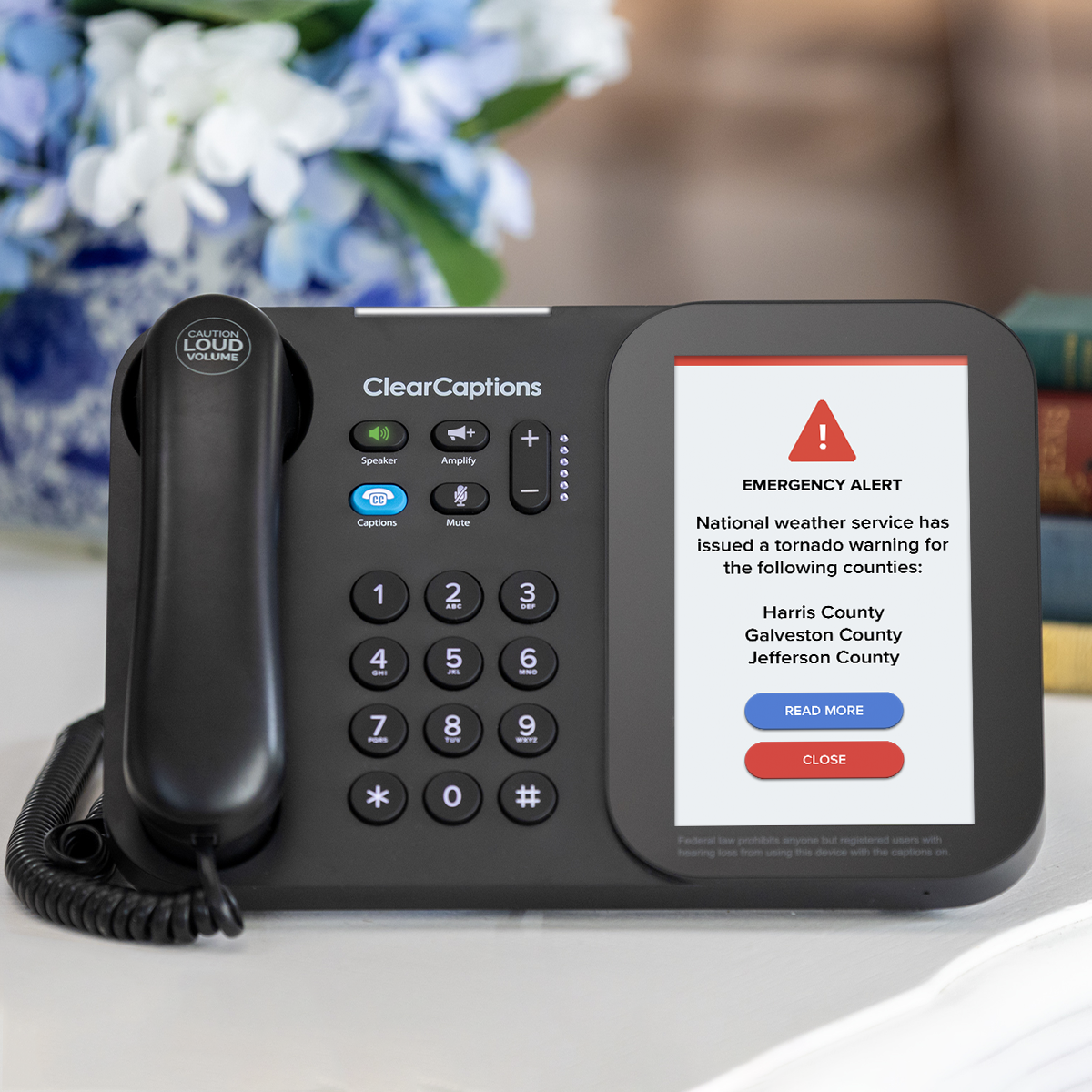
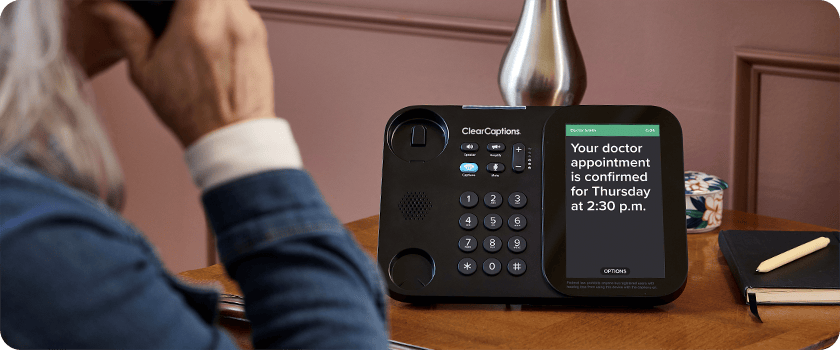
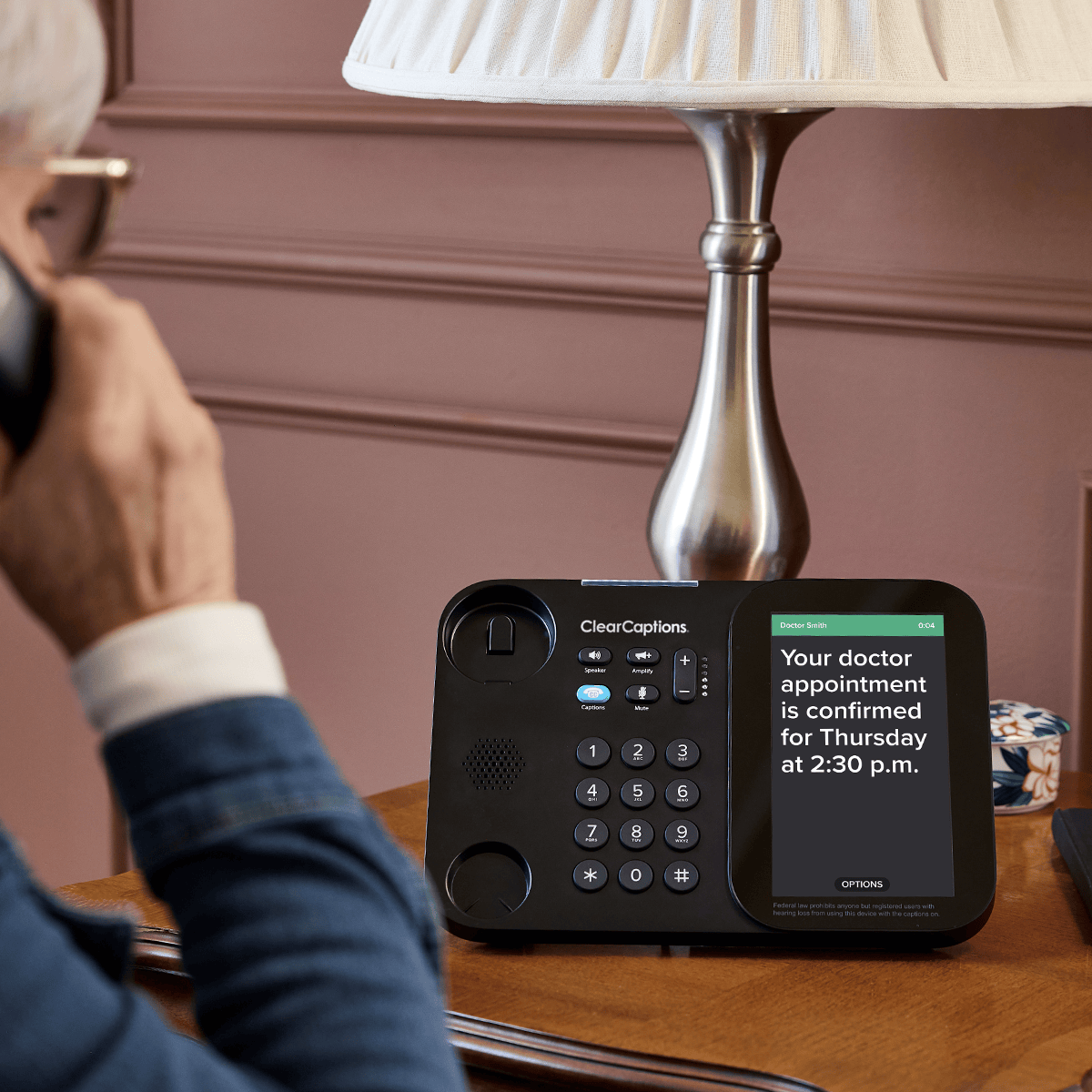
Captions for phone calls provide a solution by displaying what the other person says on your phone screen. The ClearCaptions Phone offers this service, showing captions of what doctors, nurses, and staff members say during calls. As your healthcare provider speaks, their words appear as captions on your screen, allowing you to both read and listen at the same time.
This dual approach makes conversations easier and more comfortable:
- Read along while listening to catch every detail without straining
- Reference the captions if you miss something or need clarification
- Maintain natural conversation flow without constantly asking for repetition
- Capture important details like medication names, dosages, and appointment times accurately
- Participate more confidently in discussions about your care
How Does Telehealth Work?
Telehealth has transformed how seniors access healthcare. Understanding how does telehealth work for older adults helps you take full advantage of this service.
Telehealth delivers healthcare services through technology instead of in-person office visits. You connect with medical professionals through video calls, phone consultations, or specialized apps from your home. Types of telehealth services include video appointments where you see and speak with your doctor, phone consultations for health concerns, secure messaging for non-urgent questions, and remote monitoring using devices that track and share health information automatically.
Most telehealth platforms work through a website or app. Your doctor’s office sends you instructions and a link to join your appointment at the scheduled time. To prepare, test your device’s camera and microphone beforehand, ensure a strong internet connection, charge your device fully, and find a quiet, well-lit space.
Telehealth works well for routine checkups, prescription refills, follow-up visits, mental health appointments, and managing chronic conditions. However, situations requiring physical examinations, diagnostic tests, or emergency care still need in-person visits.
How to Communicate Better During Medical Calls
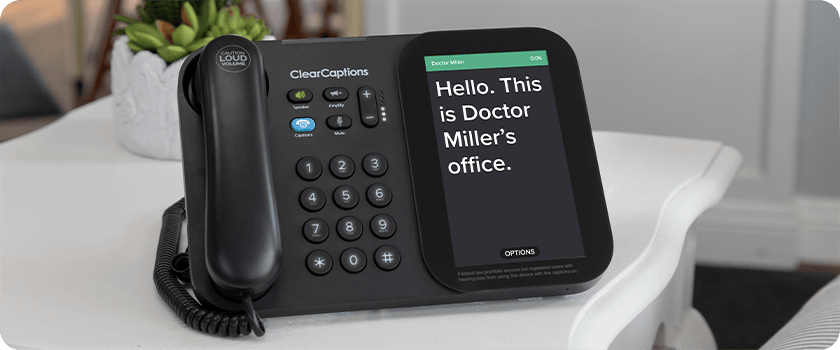
Knowing how to communicate better with healthcare providers significantly improves the quality of care you receive. Clear, effective communication helps prevent medical errors, ensures you understand your treatment plan, and builds stronger relationships with your healthcare team.
Before your call:
Gather all relevant information. Keep your medication list, insurance cards, and any recent test results nearby. Write down your symptoms, including when they started, how severe they are, and what makes them better or worse. Prepare a list of questions you want to ask.
Choose a quiet location where you can focus without distractions. Turn off the television and ask others in your home to keep noise levels down. If you use hearing aids, make sure they’re working properly and have fresh batteries.
During your call:
Speak clearly and at a normal pace. Don’t hesitate to ask the provider to slow down or repeat information if needed. Take notes during the conversation, writing down key points about diagnoses, medications, and next steps.
Use the “teach-back” method to confirm your understanding. After your provider explains something important, repeat it back in your own words. For example, “So I should take this medication twice a day with food, is that correct?” This ensures that you understand instructions correctly.
Ask specific questions rather than general ones. Instead of “What should I do about this pain?” try “What are my treatment options for this pain, and what are the benefits and risks of each?” Specific questions lead to more helpful answers.
After your call:
Review your notes while the conversation is fresh in your mind. If something remains unclear, don’t wait until your next appointment to ask. Call back or send a message through your patient portal.
What Is Effective Communication in Healthcare?
Understanding what is effective communication in healthcare helps you become an active participant in managing your health. Effective communication means exchanging information clearly, completely, and respectfully between you and your healthcare providers.
Effective communication includes several key elements:
- Active listening to what your provider says and asking clarifying questions when needed
- Clear expression of your concerns, symptoms, and preferences
- Mutual understanding by confirming that both you and your provider understand each other correctly
Research shows that effective communication in healthcare leads to better health outcomes. Patients who communicate well with their doctors are more likely to follow treatment plans, experience fewer complications, and report higher satisfaction with their care. Good communication also helps prevent medical errors that can occur when instructions are misunderstood.
For seniors, several factors can make effective communication more challenging. Hearing loss affects about one-third of older adults, making phone conversations difficult. Memory changes that come with aging can make it hard to remember all the information discussed during appointments. Multiple chronic conditions mean more complex medical information to understand and manage.
Captions for phone calls address these challenges directly by providing a visual record of the conversation. You can read along as your doctor speaks, review instructions after the call ends, and share the information with family members who help manage your care.
Tips for improving what is effective communication:
- Be honest about your symptoms and concerns, even if they seem embarrassing
- Bring a family member or friend to important appointments for support and to help remember information
- Don’t pretend to understand if you don’t; ask for explanations in simpler terms
- Tell your provider if cost concerns might prevent you from following a treatment plan
- Discuss how your cultural or personal beliefs might affect your healthcare decisions
Preparing for Different Types of Medical Calls
Different types of medical phone calls require different preparation strategies.
Appointment scheduling calls need basic information ready: insurance details, preferred dates and times, and the reason for the appointment. Test results calls require a quiet space where you can take notes and ask questions. Have your medication list ready for medication management calls, including dosages and any side effects you’ve experienced.
Follow-up calls after procedures should include questions about warning signs to watch for and when to schedule your next appointment. Telehealth video appointments require the same preparation as in-person visits, with your medication list and questions ready.
Overcoming Common Communication Challenges
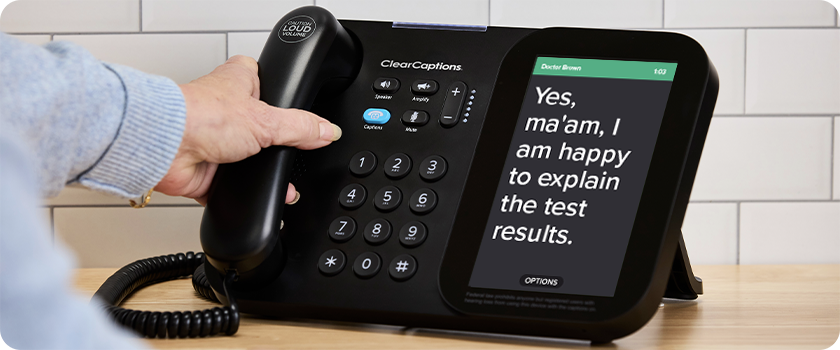
Even with good preparation, communication challenges can arise during medical phone calls. Here’s how to address them:
Common challenges and solutions:
- Trouble hearing: Speak up immediately and say, “I’m having difficulty hearing you clearly. Could you speak a bit louder or slower?”
- Confusing medical terminology: Ask for plain language by saying, “I’m not familiar with that term. Could you explain it in simpler words?”
- Feeling rushed: Advocate for yourself with “I have a few more questions before we finish. Do you have time now, or should I schedule another call?”
- Complex information overload: Request written instructions or ask if information can be sent through your patient portal
Most healthcare providers appreciate knowing about hearing difficulties and will gladly accommodate you. Many healthcare systems can email or mail summaries of your visits, medication lists, and care instructions for your reference.
The Role of Technology in Healthcare Communication
Technology continues to make healthcare communication more accessible for seniors. Beyond captions for phone calls and telehealth, patient portals allow you to view test results, send messages to your healthcare team, and request prescription refills. Medication reminder apps help you track when to take medications. Health tracking devices can monitor blood pressure, blood sugar, and heart rate, then share this information with your healthcare team during calls.
Building Strong Relationships with Your Healthcare Team
Effective communication on the phone builds stronger relationships with your healthcare providers over time. When you consistently communicate clearly, ask good questions, and follow through on instructions, your healthcare team develops confidence in your ability to manage your health.
These strong relationships lead to better care coordination, more personalized treatment plans, and greater trust on both sides. Your providers learn about your preferences and can anticipate your needs, while you become more comfortable discussing sensitive health topics.
Remember that communication is a two-way process. While you’re responsible for sharing information clearly and honestly, your healthcare team should also listen actively, explain things clearly, and respect your concerns and preferences.
Frequently Asked Questions
How do captions for phone calls work during medical appointments?
Captions for phone calls work by converting speech to text during your conversation. When your doctor or healthcare provider speaks, their words appear as text on your phone screen. The ClearCaptions Phone provides this service specifically for people with hearing loss. You can read along while listening, ensuring you don’t miss important medical information. This combination of reading and hearing makes conversations clearer and more comfortable.
How does telehealth work for seniors who aren’t tech-savvy?
Telehealth platforms are designed to be user-friendly, often requiring just one click to join an appointment. Many doctor offices provide setup assistance before your first telehealth visit, walking you through the process step by step. You can ask a family member or friend to help you test the technology before your appointment. Most telehealth visits use simple video call features similar to FaceTime or Zoom, which many seniors already use to connect with family.
What makes communication effective during phone medical appointments?
Effective communication during phone medical appointments involves preparation, active listening, clear questions, and confirmation of understanding. Prepare by writing down your questions and symptoms beforehand. Listen carefully and take notes during the call. Ask specific questions rather than general ones. Use the teach-back method by repeating important information in your own words to confirm that you understood correctly. Don’t hesitate to ask for clarification if something is unclear.
Can I use captions for telehealth video appointments too?
Yes, many telehealth platforms offer closed captioning features for video appointments. Additionally, if you use a ClearCaptions Phone for your telehealth appointments, you can enable captions for the audio portion of video calls. Check with your healthcare provider’s office about caption options available through their specific telehealth platform or let them know you need captions so they can accommodate your needs.