The Link Between Vitamin Deficiencies and Hearing Loss

Key Takeaways
- Hearing loss and vitamin deficiency are connected; low levels of certain nutrients may increase your risk of hearing damage over time.
- Vitamins for hearing loss most worth knowing about include B12, D, and antioxidants like vitamins C and E.
- Magnesium and zinc also play a role in protecting the delicate structures of the inner ear.
- Eating a nutrient-rich diet and talking to your doctor about supplementation are good first steps for supporting your hearing health.
- If you already experience hearing loss, tools like the ClearCaptions Phone can help you stay connected while you take steps to protect your hearing.
If you’ve been noticing changes in your hearing, your diet might be part of the cause. Research suggests that the connection between hearing loss and vitamin deficiency is real and that what you eat, and what you may not be getting enough of, affects how well your ears function.
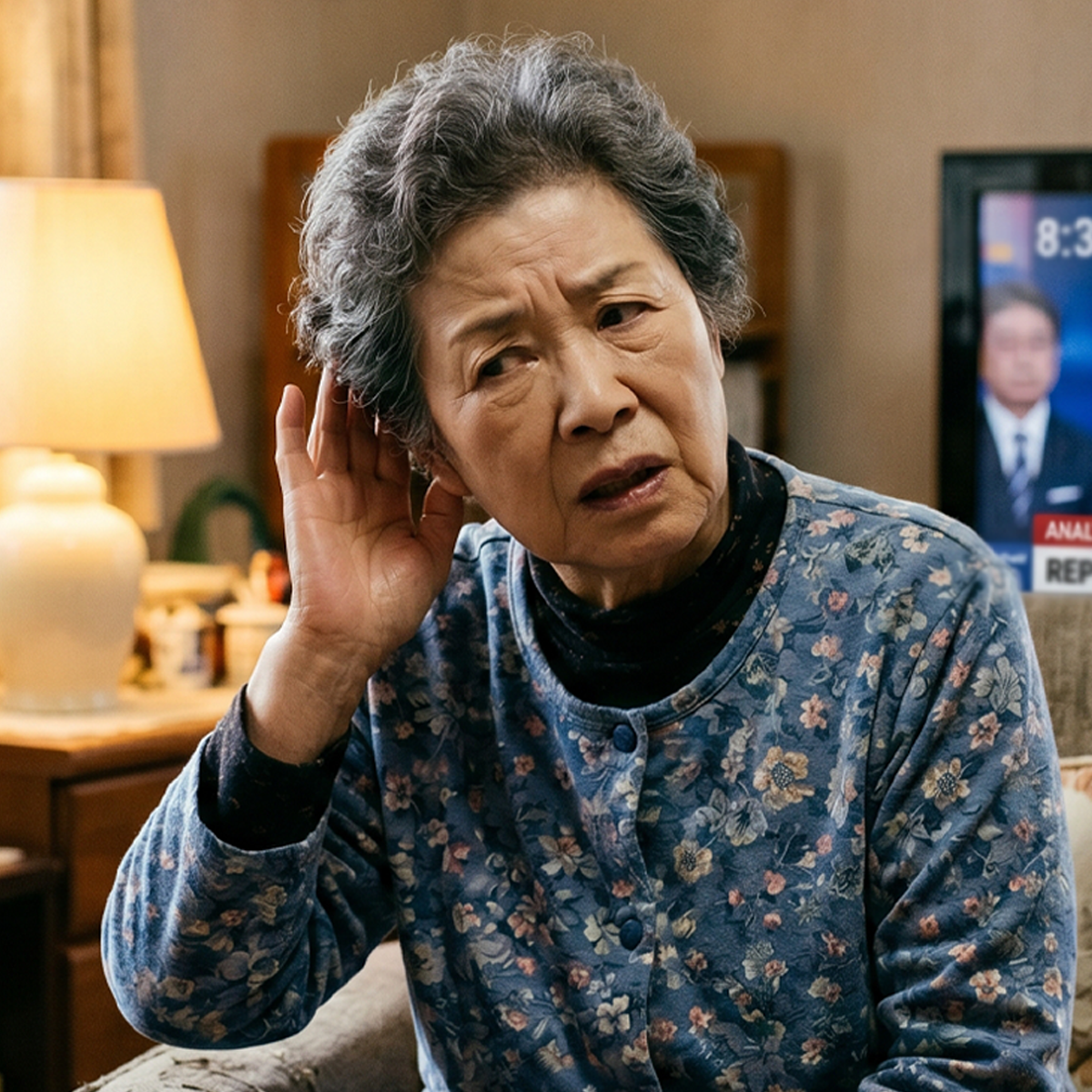
Hearing loss develops gradually for most people. While age-related changes are a major factor, nutritional gaps may speed up that process or make existing hearing difficulties worse. Understanding which vitamins for hearing loss matter most can help you make choices that support your long-term hearing health.
How Nutrition Impacts Your Ears
Your inner ear is home to thousands of tiny hair cells. These cells pick up sound vibrations and send signals to your brain. Once these hair cells are damaged, they don’t grow back.
Keeping them healthy requires good blood flow, protection from oxidative stress, and a steady supply of key nutrients. When your body is running low on certain vitamins and minerals, those hair cells become more vulnerable.
A nutritional gap doesn’t cause hearing loss overnight. But over months and years, certain deficiencies can quietly accelerate the damage. Making sure our diets include vitamins for hearing loss and foods for hearing loss can help protect against the connection between hearing loss and vitamin deficiency.
5 Key Vitamin Deficiencies Linked to Hearing Loss
Vitamin B12
Vitamin B12 is one of the most important vitamins for hearing loss, as it plays an important role in maintaining a protective layer around your nerve fibers. When B12 levels drop, nerve function can suffer throughout the body, including in the auditory nerve that carries sound signals to your brain.
Can a vitamin deficiency cause tinnitus? Studies have found a link between low B12 levels and both hearing loss and tinnitus (ringing in the ears). Older adults are especially at risk for B12 deficiency because the stomach produces less acid with age, making it harder to absorb B12 from food.
Good sources of B12 include meat, fish, eggs, and dairy. If you follow a plant-based diet or have absorption issues, your doctor may recommend a supplement.
Vitamin D
Vitamin D supports bone health throughout your body, including the tiny bones in your middle ear that help transmit sound. Low vitamin D levels have been associated with a higher risk of hearing loss, particularly in older adults.
Your body produces vitamin D when your skin is exposed to sunlight, but many seniors don’t get enough sun exposure. Fatty fish, fortified milk, and eggs contain some vitamin D, though supplementation is often needed to reach adequate levels. Ask your doctor to check your vitamin D levels at your next visit.
Magnesium
Magnesium helps protect the hair cells in your inner ear from noise-related damage. It works by improving blood flow to the inner ear and limiting the effect of free radicals during loud sound exposure.
Research suggests that people with low magnesium intake may be more susceptible to noise-induced hearing loss. Foods rich in magnesium include leafy greens, nuts, seeds, and whole grains. If your diet is low in these foods, a deficiency is worth discussing with your doctor.
Zinc
Zinc supports immune function and plays a role in cell growth and repair throughout the body. In the ear, zinc is found in high concentrations and helps protect against oxidative damage.
Low zinc levels have been associated with age-related hearing loss and tinnitus. Some research suggests zinc supplementation may help reduce tinnitus symptoms, though results vary from person to person. Zinc-rich foods for hearing loss include oysters, red meat, beans, and nuts.
Antioxidants (Vitamins C and E)
Oxidative stress is one of the key drivers of age-related hearing loss. Free radicals are unstable molecules that damage cells over time. They can harm the hair cells in your inner ear. Antioxidants like vitamins C and E help remove these free radicals.
Vitamins C and E are reliable vitamins for hearing loss, as they are found in many fruits, vegetables, and nuts. Citrus fruits, berries, bell peppers, almonds, and sunflower seeds are all good sources. Eating a colorful, varied diet is one of the easiest ways to keep your antioxidant levels up.
Signs a Nutritional Gap May Be Affecting Your Hearing

Nutritional deficiencies don’t always come with obvious warning signs, but some symptoms are worth paying attention to. You may want to talk to your doctor if you notice:
- Gradual difficulty hearing conversations, especially in noisy environments
- Ringing, buzzing, or other sounds in your ears
- Feeling unusually fatigued or mentally foggy
- Numbness or tingling in your hands or feet (a common sign of B12 deficiency)
- Increased sensitivity to infections
None of these symptoms alone confirm a vitamin deficiency, but together they paint a picture worth discussing with your healthcare provider. A simple blood test can check your levels of B12, D, and other key nutrients.
Foods for Hearing Loss Prevention and Ear Health
You don’t need a complicated plan to start eating in ways that support your hearing. A few consistent habits can go a long way.
Eat a variety of whole foods. Fruits, vegetables, whole grains, lean proteins, and healthy fats cover a wide range of nutrients your body and your ears need.
Watch your sodium intake. High sodium can raise blood pressure, which affects blood flow to the inner ear. Reducing processed and packaged foods is one of the simplest ways to lower your sodium intake.
Stay hydrated. Good hydration supports healthy circulation, which helps deliver nutrients to the inner ear.
Limit alcohol. Heavy alcohol use can deplete B vitamins and interfere with auditory processing.
Talk to your doctor before starting supplements. More isn’t always better. Some vitamins and minerals can interact with medications or cause side effects in high doses. Your doctor can help you find the right approach for your specific needs.
Staying Connected While You Protect Your Hearing

If you’re already experiencing hearing loss, eating well is just one piece of the puzzle. Staying connected with the people you love matters just as much.
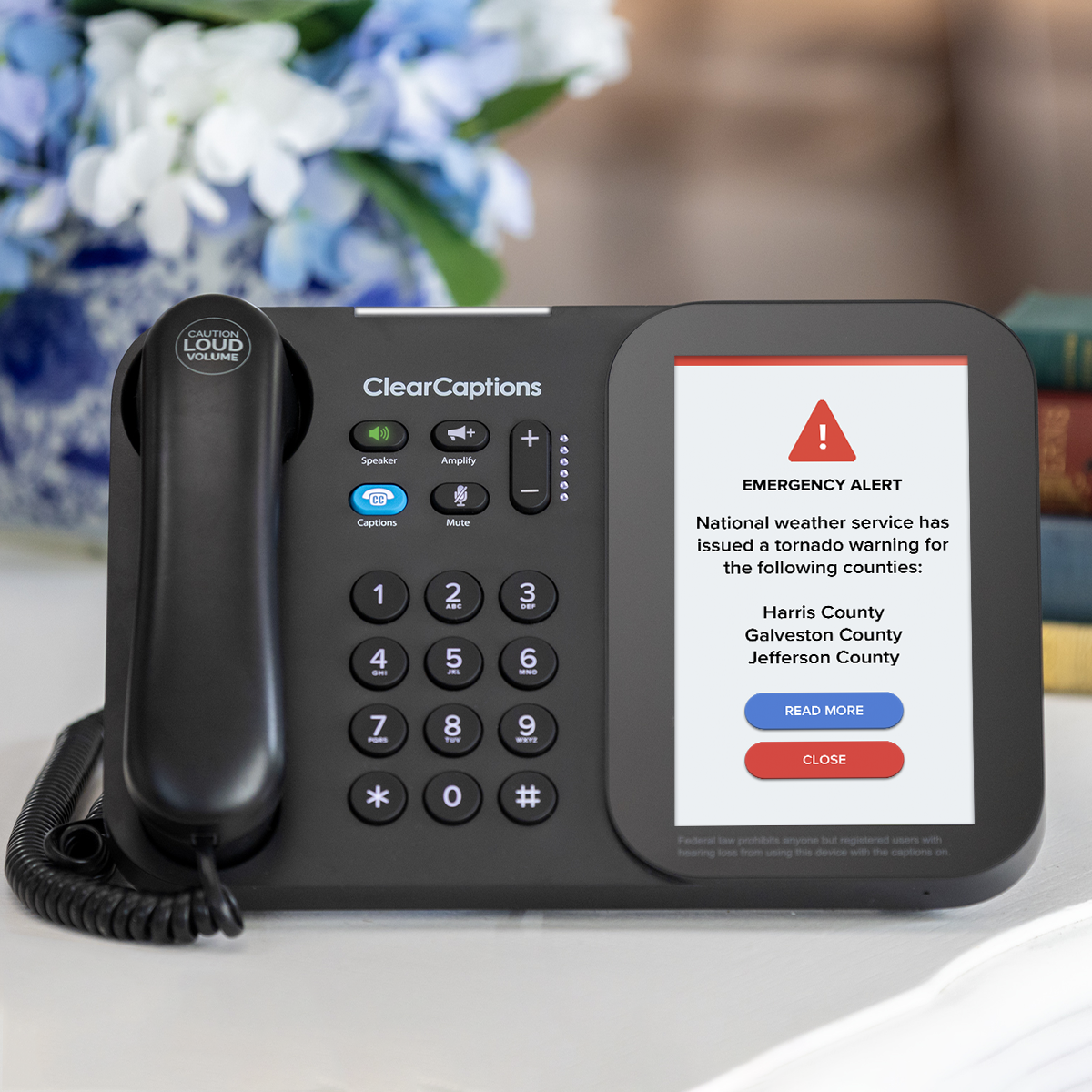
ClearCaptions is the leading provider of captioned telephone service, helping Americans with hearing loss stay connected across all 50 states. Trusted by more customers with hearing loss than any other caption phone provider, ClearCaptions has been serving the hard-of-hearing community since 2011. The ClearCaptions Phone displays captions of what your callers say on a large, easy-to-read touchscreen, so you can read and hear every word. Eligible individuals can receive a ClearCaptions Phone at no cost to them through a federally managed program.
For more on how to care for your hearing as you age, visit our guide on understanding and protecting your hearing health and explore recipes for better hearing.
Frequently Asked Questions
Can taking vitamins reverse hearing loss?
Vitamins and nutrients can support ear health and may help slow the progression of age-related hearing loss, but they cannot reverse existing hearing damage. Once the hair cells in your inner ear are damaged, they do not regenerate. The best approach is to maintain good nutrition to protect the hearing you have.
What vitamin deficiency causes ear ringing?
Low levels of vitamin B12 and zinc have both been linked to tinnitus (ringing or buzzing in the ears). If you experience persistent ear ringing, talk to your doctor about checking your nutrient levels.
Can a vitamin deficiency cause tinnitus?
Yes, research suggests that deficiencies in B12, zinc, and magnesium may contribute to tinnitus in some people. Addressing these deficiencies through diet or supplementation may help reduce symptoms, though results vary.
How common is vitamin B12 deficiency in seniors?
B12 deficiencies are fairly common among older adults. As we age, the stomach produces less acid, which makes it harder to absorb B12 from food. Some medications, including common acid reflux drugs, can also reduce B12 absorption. Regular blood work can catch a deficiency early.
Should seniors take a supplement specifically for hearing health?
There is no single supplement proven to prevent or treat hearing loss on its own. However, making sure you’re not deficient in key nutrients like B12, vitamin D, magnesium, and zinc is a reasonable step. Always consult your doctor before starting any new supplement.