Finding the Best Ear Plugs for Seniors

Key Takeaways
- Noise sensitivity increases with age, making the best ear plugs essential for quality sleep
- Seniors experience lighter sleep patterns, making them more vulnerable to nighttime disruptions
- The best ear plugs for sleeping balance comfort, noise reduction, and safety
- Different situations require different types of ear plugs, from everyday use to the best concert ear plugs
Sleep becomes more precious as we age, yet it often becomes more elusive. If you find yourself waking at the slightest sound or struggling to fall back asleep after being disturbed, you’re experiencing something many older adults face. The good news is that finding the best rated ear plugs can make a significant difference in your sleep quality and overall well-being.
Why Seniors Experience Increased Noise Sensitivity
As we age, our relationship with sound changes in surprising ways. Research from Western University in Canada found that older adults’ brains actually become more sensitive to sound. Unlike younger adults who can naturally filter out background noise, older brains tend to respond to both soft and loud sounds equally.
This happens because the brain’s ability to adapt to different sound environments declines with age. When you walk into a noisy restaurant, your brain should quickly adjust to focus on your dinner companion’s voice while filtering out clinking silverware. However, older adults’ brains don’t make this adjustment as easily, making every sound seem equally important.
This explains why sounds that never bothered you before, like a dripping faucet or distant traffic, might now keep you awake. The heightened sensitivity can also make certain sounds feel jarring, particularly high-pitched noises like smoke alarms.
How Sleep Changes as We Get Older
Beyond increased noise sensitivity, the quality and structure of sleep itself changes with age. Older adults spend significantly less time in deep, restorative sleep compared to younger people. Instead, you spend more time in lighter sleep stages, making you more likely to wake from minor disturbances.
On average, adults over 65 wake up three to four times each night. These wake-ups happen because:
- Your body produces less melatonin, the hormone that regulates sleep
- The transition between sleep and waking becomes more abrupt
- Your circadian rhythm shifts earlier, making you tired sooner in the evening and wake earlier in the morning
- Health conditions or medications can interfere with sleep patterns
The combination of lighter sleep and increased noise sensitivity creates a perfect storm for sleep disruption. A sound that wouldn’t have registered when you were younger can now pull you from sleep, and once awake, falling back asleep becomes challenging.
Choosing the Best Ear Plugs for Your Needs
Not all ear plugs serve the same purpose. Understanding the different types helps you select the best ear plugs for your specific situation.
Foam ear plugs offer the highest noise reduction, typically blocking 28 to 33 decibels. They’re made from soft, expandable foam that you roll and insert into your ear canal. Once inserted, they expand to create a tight seal. Foam plugs are inexpensive and effective, though some seniors find them uncomfortable for extended wear, especially when sleeping on their side.
Silicone ear plugs come in two varieties. Moldable silicone putty sits at the entrance of your ear canal rather than inside it, making these among the most comfortable options for sleeping. Pre-molded silicone plugs have a flanged design that fits just inside the ear canal. Both types typically reduce noise by 20 to 27 decibels, which is sufficient for most sleeping environments.
Wax ear plugs are similar to moldable silicone but made from soft wax. They conform to your ear’s unique shape and provide good noise reduction while remaining comfortable. However, they’re typically designed for single use, making them less economical than reusable options.
Filtered ear plugs are the best concert ear plugs and best rated ear plugs for situations where you want to reduce volume without completely blocking sound. These allow important sounds like alarms or conversation to pass through while lowering overall noise levels. They’re excellent for concerts, sporting events, or loud environments where you still need to hear what’s happening around you.
The Best Ear Plugs for Sleeping
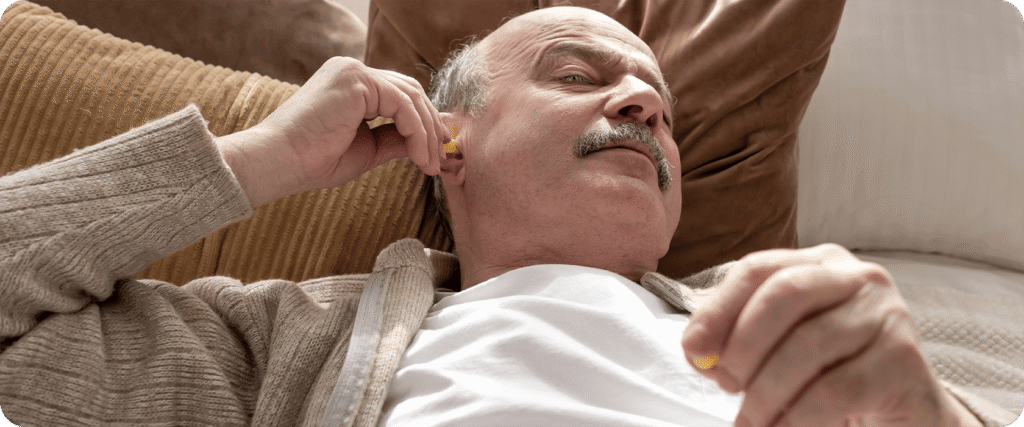
When evaluating the best ear plugs for sleeping, comfort becomes paramount. You’ll be wearing them for hours, often while lying on your side, so they need to stay in place without causing pressure or discomfort.
Look for ear plugs specifically designed for sleep. These typically have a lower profile that doesn’t stick out from your ear, allowing side sleepers to rest comfortably. Soft silicone or foam-silicone combinations often provide the best balance of comfort and effectiveness.
The ideal noise reduction for sleep falls between 24 and 30 decibels. This range blocks disruptive sounds like snoring, traffic, or neighbors while still allowing you to hear important sounds like smoke alarms or your phone ringing in an emergency.
Many of the best rated ear plugs for sleeping come with multiple size options. Since ear canals vary in size and shape, having choices helps ensure a proper fit. A well-fitted ear plug creates an effective seal without causing discomfort or falling out during the night.
Special Considerations for Seniors
Seniors have unique needs when selecting ear plugs. Safety remains the top priority; you need to hear smoke alarms and emergency calls. Choose ear plugs that reduce noise to comfortable levels without complete isolation, and test your ability to hear important alerts before nightly use.
Ease of insertion matters greatly. As dexterity can change with age, look for ear plugs that are simple to insert and remove. Moldable silicone options that you press over your ear opening are often easier to manage than foam plugs requiring precise insertion.
Hygiene is essential. Reusable ear plugs must be cleaned regularly to prevent ear infections. Choose materials that clean easily and dry quickly. Some seniors prefer disposable foam plugs to avoid cleaning routines, though this becomes more expensive over time.
For those with arthritis or limited hand mobility, larger ear plugs with removal tabs or loops may be easier to handle.
Beyond Sleep: Other Times You Might Need Ear Plugs
While sleep represents the primary concern, other situations also benefit from hearing protection. Loud events like concerts or sporting events can expose you to damaging noise levels. The best concert ear plugs reduce volume while preserving sound quality.
Home maintenance involving lawn mowers or power tools creates noise levels that can damage hearing. Standard foam ear plugs provide adequate protection. During travel, especially airplane flights, comfortable ear plugs help you arrive more refreshed. In noisy restaurants or gatherings, filtered ear plugs can reduce overall noise while keeping speech clear.
How to Use Ear Plugs Safely and Effectively
Proper insertion ensures maximum benefit from your ear plugs:
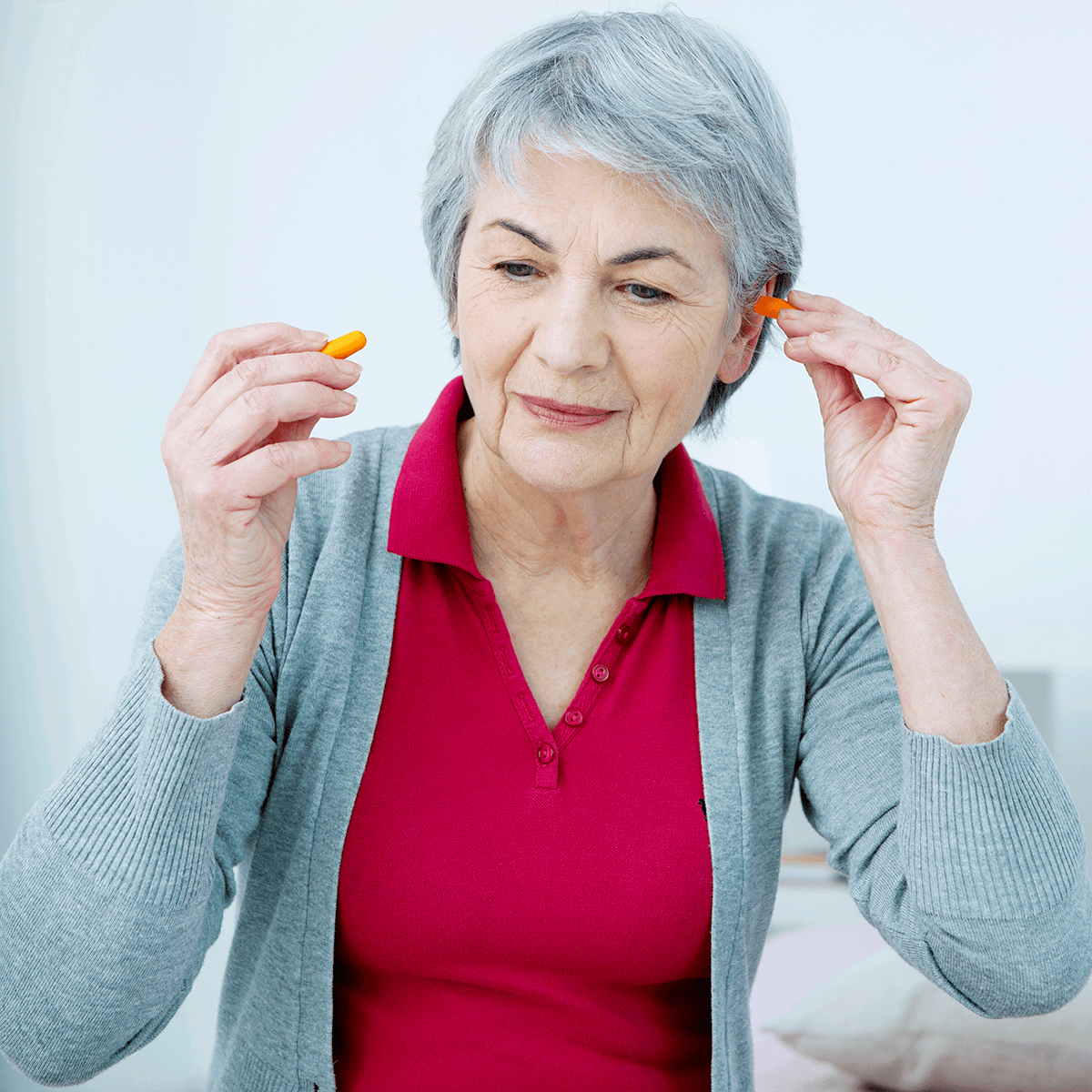
For foam ear plugs, roll them into a tight cylinder before insertion. Pull your ear up and back to straighten the ear canal, then insert the rolled plug and hold it in place for about 30 seconds while it expands.
For moldable silicone or wax plugs, shape them into a ball and press firmly over your ear opening. Avoid pushing them into your ear canal.
For pre-molded silicone plugs, insert them gently while pulling your ear back. They should fit snugly without causing pressure.
Always insert ear plugs with clean hands to prevent introducing bacteria into your ears. Remove them gently to avoid damaging ear tissue. If you experience pain, persistent itching, or signs of infection, discontinue use and consult your healthcare provider.
Creating Your Ideal Sleep Environment
While ear plugs represent an important tool for better sleep, they work best as part of a comprehensive approach. Maintain a consistent sleep schedule, keep your bedroom cool and dark, and consider white noise machines to mask irregular sounds. Address underlying sleep disorders with your healthcare provider, limit evening screen time and caffeine, and use blackout curtains if needed.
Remember that good hearing health supports overall communication and quality of life. The ClearCaptions Phone can help you stay connected with family and friends through clear phone conversations, reducing the stress and fatigue that can interfere with good sleep.
Finding the Right Balance
The goal isn’t to block out all sound but to reduce noise to comfortable levels that allow restful sleep while maintaining safety and awareness. The best ear plugs accomplish this balance, helping you wake refreshed rather than isolated.
Start by trying different types to determine what works best for your ears and sleeping position. Many brands offer trial periods or satisfaction guarantees, allowing you to test options without financial risk. Pay attention to how you feel the morning after using ear plugs. Quality sleep should leave you feeling refreshed and alert, not groggy or disoriented.
If you continue experiencing sleep difficulties despite using ear plugs, consult your healthcare provider. Sleep problems can indicate underlying health conditions that require medical attention. Addressing these root causes, combined with appropriate ear plugs, provides the best path to consistent, restful sleep.
Frequently Asked Questions
Are ear plugs safe for seniors to use every night?
When used properly, ear plugs are safe for nightly use. However, maintaining good hygiene is essential. Clean reusable ear plugs after each use and replace them according to manufacturer recommendations. If you experience ear pain, itching, or drainage, stop using ear plugs and consult your doctor. Most importantly, ensure you can still hear smoke alarms and other safety alerts.
What’s the difference between the best ear plugs for sleeping and regular ear plugs?
The best ear plugs for sleeping are designed specifically for comfort during extended wear and side sleeping. They typically have a lower profile that doesn’t protrude from your ear, softer materials that don’t cause pressure, and moderate noise reduction (24-30 dB) that blocks disruptive sounds while allowing important alerts through. Regular ear plugs may prioritize maximum noise blocking over comfort.
Can ear plugs worsen hearing loss?
Properly used ear plugs do not cause or worsen hearing loss. In fact, they protect your hearing from damage caused by loud noises. However, improper insertion, failure to keep them clean, or pushing them too deep into your ear canal can cause problems. If you have concerns about hearing loss or ear plugs, discuss them with your audiologist or hearing healthcare provider.
How do I know which noise reduction rating I need?
For sleeping, look for ear plugs rated between 24 and 30 decibels (dB) of noise reduction. This range effectively muffles snoring, traffic, and other nighttime disturbances while allowing you to hear alarms and emergency sounds. For concerts or very loud events, higher ratings of 30-33 dB provide better protection. For everyday noise reduction where you still need clear communication, lower ratings of 15-20 dB work well.