Thyroid and Hearing Loss: What You Should Know


Key Takeaways
- Thyroid problems and hearing loss are connected, and this connection has been recognized by doctors for over 100 years.
- An underactive thyroid (hypothyroidism) is the thyroid condition most commonly linked to changes in hearing, including ringing in the ears and difficulty understanding speech.
- Recent research involving tens of thousands of people found that those with hypothyroidism were significantly more likely to experience hearing loss than those without it.
- If you have a thyroid condition and your hearing has changed, mentioning it to your doctor is a simple first step and one that could make a real difference.
- There are tools available to help you stay connected and communicate clearly, even if your hearing has been affected.
Have you ever wondered why your hearing seems different since your thyroid diagnosis? You’re not imagining it. The connection between thyroid health and hearing health is real, and it is something many people with thyroid conditions might not know about.
If you have been living with a thyroid condition and have noticed that phone calls feel harder to follow, or that sounds seem muffled in ways they did not used to, know that you are not alone. This blog will walk you through the connection between the thyroid and hearing loss and provide you with simple, practical steps you can take to protect yourself.
How the Thyroid Gland Affects Hearing Health
Most people know the thyroid as the gland that affects weight, energy, and metabolism. What is less well known is that thyroid hormones also play a role in keeping the inner ear healthy.
Deep inside your ear is a tiny, intricate structure that picks up sound and sends it to your brain. Thyroid hormones help keep that structure working properly. When thyroid hormone levels are off, whether too low or too high, the inner ear can be affected along with the rest of the body. This is what causes the thyroid and hearing loss connection.
Researchers have been studying this connection for a long time. A 2024 research effort combining findings from 18 different studies and nearly 50,000 people found that those with hypothyroidism were significantly more likely to experience hearing loss than those without it. That is a large, consistent body of evidence, and it confirms what many people with thyroid conditions have noticed on their own.
Hypothyroidism and Hearing Loss: The Direct Link

Hypothyroidism, or an underactive thyroid, is one of the most common thyroid conditions, especially in older adults. Most people are familiar with the usual symptoms: fatigue, feeling cold, weight gain, and dry skin. Hearing loss tends to get left off that list, even though research suggests it should be there.
Here is what happens. The inner ear relies on thyroid hormones to stay healthy. When those hormone levels drop too low, a few things can go wrong:
Sounds start to lose their clarity. The tiny hair cells in the inner ear that detect sound can be weakened by low thyroid hormone levels. When those cells are not working well, sounds, especially speech, can start to sound muffled or harder to make out. This is the most common type of hearing change associated with hypothyroidism.
The nerve that carries sound to the brain can be affected. Thyroid hormones help protect the nerve that sends sound signals from the ear to the brain. When levels are low, that nerve may not work as efficiently, making it harder to process what you are hearing even when sounds are loud enough.
Fluid can build up in the middle ear. Low thyroid hormone levels can cause tissues in the body to swell, and the middle ear is not immune to this. When fluid builds up there, it can make hearing feel dull or muffled, almost as if your ears will not pop.
Ringing or buzzing in the ears can develop. Many people with hypothyroidism notice a persistent ringing, humming, or buzzing sound. This is called tinnitus, and it is a commonly reported experience among people with thyroid conditions.
A 2020 study found that more than two-thirds of adults with hypothyroidism had some degree of mild hearing loss, most often affecting higher-pitched sounds and usually in both ears. For many of them, this hypothyroidism hearing loss had gone unnoticed.
If any of this sounds familiar, including difficulty following conversations, turning the TV up more than you used to, or a constant ringing you cannot explain, it is worth bringing up with your doctor.
Can Hypothyroidism Cause Sensorineural Hearing Loss?
Yes, and it is more common than most people realize.
The type of hearing loss most often linked to hypothyroidism is called “sensorineural hearing loss.” This simply means that the hearing change involves the inner ear itself rather than something blocking sound on its way in, like earwax or fluid. It tends to develop gradually, which is part of why it can be easy to miss or attribute to aging alone.
The important thing to know is that this type of hearing loss responds better to early attention than it does to waiting. If you have hypothyroidism and your hearing has shifted, getting a hearing check-up and making sure your thyroid levels are well managed are both reasonable and worthwhile steps.
Getting your thyroid levels properly managed through medication sometimes leads to some improvement in hearing, particularly when the changes are related to fluid or swelling. Even when that is not the case, understanding what is driving your hearing loss puts you in a better position to find the right kind of help.
Testing for Thyroid-Related Hearing Loss

Connecting the dots between a thyroid condition and hearing changes does not require anything complicated. It mostly requires speaking up with your doctor.
When you bring up your hearing concerns, it helps to come prepared. Think about:
- When you first noticed the change in your hearing
- Whether it seems to affect one ear or both
- Whether you ever hear ringing, buzzing, or a feeling of fullness in your ears
- How recently your thyroid levels were checked
- Any new medications you have started
Your doctor may run a blood test to check your thyroid levels, or they may refer you to a hearing specialist for a hearing evaluation. A hearing check-up is a simple, painless test that can tell you a lot about what kind of hearing change you are experiencing. For more on what to expect, our guide on hearing exams for seniors is a helpful place to start.
The most important step is not waiting. The sooner a hearing change is identified, the more options you have.
Hyperthyroidism and Hearing: Is There a Connection?
Hypothyroidism tends to get more attention in conversations about thyroid and hearing loss, but an overactive thyroid, called hyperthyroidism, has also been linked to hearing changes in some people.
Research has found that both underactive and overactive thyroid conditions are associated with an increased risk of sudden hearing loss. Some people with hyperthyroidism also report ringing in the ears or sensitivity to loud sounds.
Additionally, some medications used to treat thyroid conditions can occasionally affect hearing in certain individuals. If you are being treated for any thyroid condition and have noticed changes in your hearing, it is always worth mentioning to your doctor, regardless of which direction your thyroid levels tend to run.
The bottom line for both conditions: your hearing is worth monitoring as part of your overall thyroid care.
Treatment Options and Managing Hearing Loss from Thyroid Conditions

If you have thyroid-related hearing loss, know that you have options to make life easier. Here are some ways to seek treatment and manage hearing loss from thyroid conditions:
Getting your thyroid levels on track. For people with hypothyroidism, thyroid hormone replacement medication helps bring levels back to where they should be. In some cases, particularly when hearing changes are related to fluid or swelling, this can lead to some improvement in hearing. At the very least, good thyroid management helps protect against further changes.
Hearing aids. If your hearing has changed in ways that affect daily life, a hearing specialist can evaluate whether hearing aids would help. Today’s hearing aids are more comfortable, discreet, and capable than ever before, and many connect directly to smartphones and other devices.
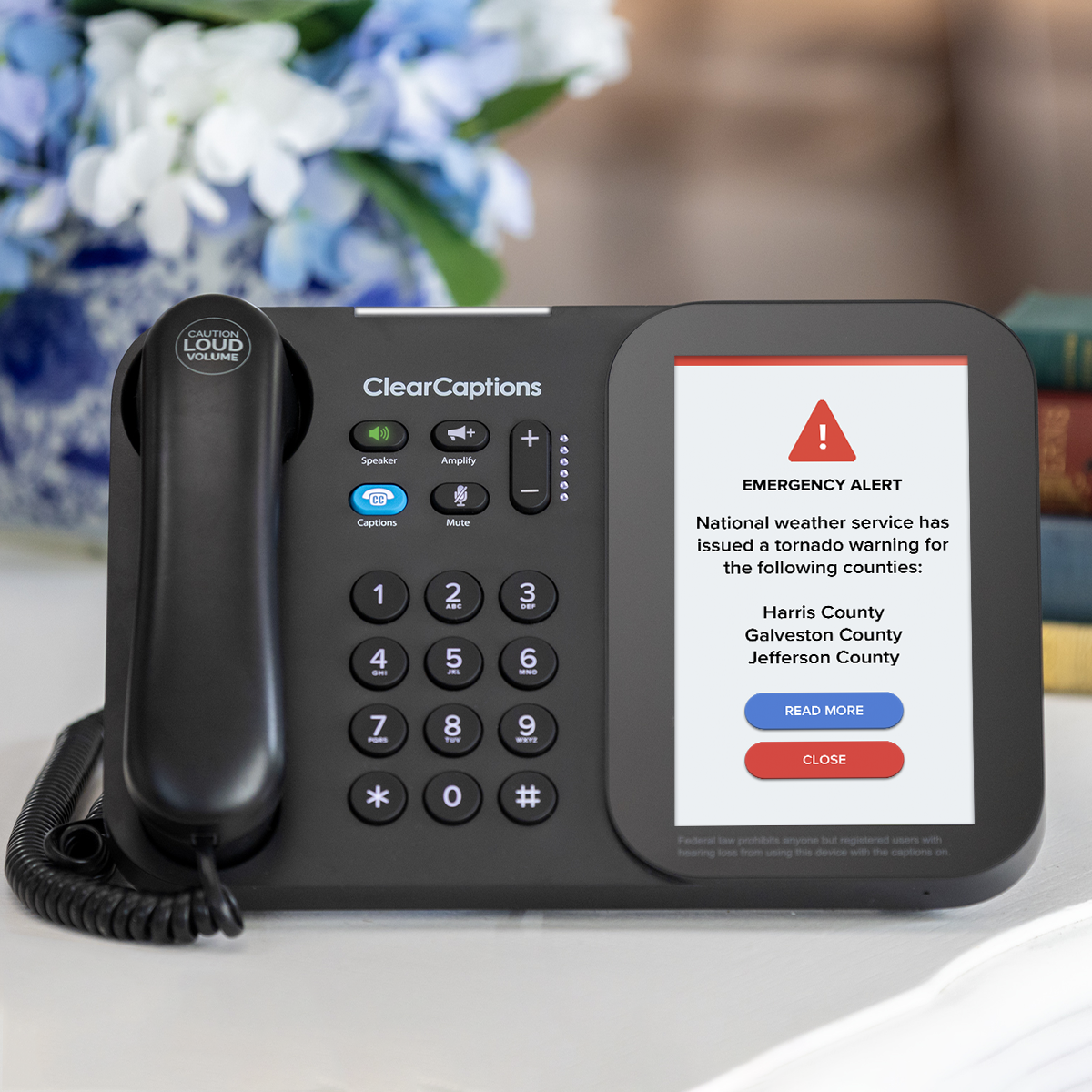
Staying connected through captioned calls. For a lot of people, the most frustrating part of hearing loss is not background noise or the television. It is phone calls. Following a conversation when you cannot see the person’s face or catch every word can feel exhausting. The ClearCaptions Phone was designed for exactly this situation. It shows captions of what the other person is saying right on the screen as you talk, so you can read along and never miss the important parts of a conversation with family or your doctor’s office.
If you have hearing loss that makes phone calls difficult, live in the United States or one of its territories, have home internet access, and communicate in English, you qualify for a ClearCaptions Phone at no cost to you.
Regular check-ins on your hearing. If you have a thyroid condition, consider asking your doctor about adding a routine hearing check-up to your care plan. Catching changes early gives you more choices. For a broader look at protecting your hearing as you get older, our guide on maintaining your hearing health covers practical steps worth knowing about.
Protecting the hearing you have. If your hearing has already been affected, it is worth being a little more careful about the things that can cause additional damage, like very loud environments or certain medications. Your doctor can help you understand what to watch for.
Frequently Asked Questions
Can thyroid problems cause hearing loss?
Yes, they can. Both an underactive thyroid (hypothyroidism) and an overactive thyroid (hyperthyroidism) have been linked to hearing changes, including muffled hearing, ringing in the ears, and difficulty following conversations.
Is thyroid-related hearing loss reversible?
Sometimes. When hearing changes are caused by fluid buildup or swelling from hypothyroidism, getting thyroid levels back to normal through medication can lead to some improvement. When the hearing change involves the inner ear itself, full reversal is less likely, though proper thyroid management can help prevent further decline. The key in either case is not waiting. The sooner hearing changes are addressed, the better the chances of a good outcome.
What type of hearing loss is associated with hypothyroidism?
The most common type is a gradual loss of clarity, often affecting higher-pitched sounds in both ears. Ringing or buzzing in the ears is also commonly reported. In some cases, fluid in the middle ear can cause a more muffled, plugged-up feeling. An audiologist can do a simple hearing test to identify what kind of hearing change you are experiencing.
How can I manage daily communication with thyroid-related hearing loss?
There are several things that can help. Hearing aids are the most common recommendation for ongoing hearing loss, and today’s devices are far more comfortable and capable than older models. For phone calls, a captioned phone like the ClearCaptions Phone lets you read what callers are saying on a large screen as you talk, which takes the guesswork out of every conversation. In person, simple strategies like asking people to face you when they speak or choosing quieter settings for important conversations can also make a real difference. You do not have to choose between your thyroid health and staying connected.