Summer Safety for Seniors: How to Stay Safe in the Heat
Key Takeaways
- As we age, it becomes harder for the body to cool itself down, which means heat can affect older adults more than it did in earlier years.
- Drink water throughout the day even when you do not feel thirsty. Thirst becomes a less reliable signal as we get older, and staying ahead of dehydration matters more in summer.
- Plan outdoor time before 10 a.m. or after 4 p.m., wear loose light-colored clothing, and keep blinds closed during the hottest part of the day to help your home stay cooler.
- Watch for heavy sweating, dizziness, unusual tiredness, or nausea. These are signs your body needs help cooling down.
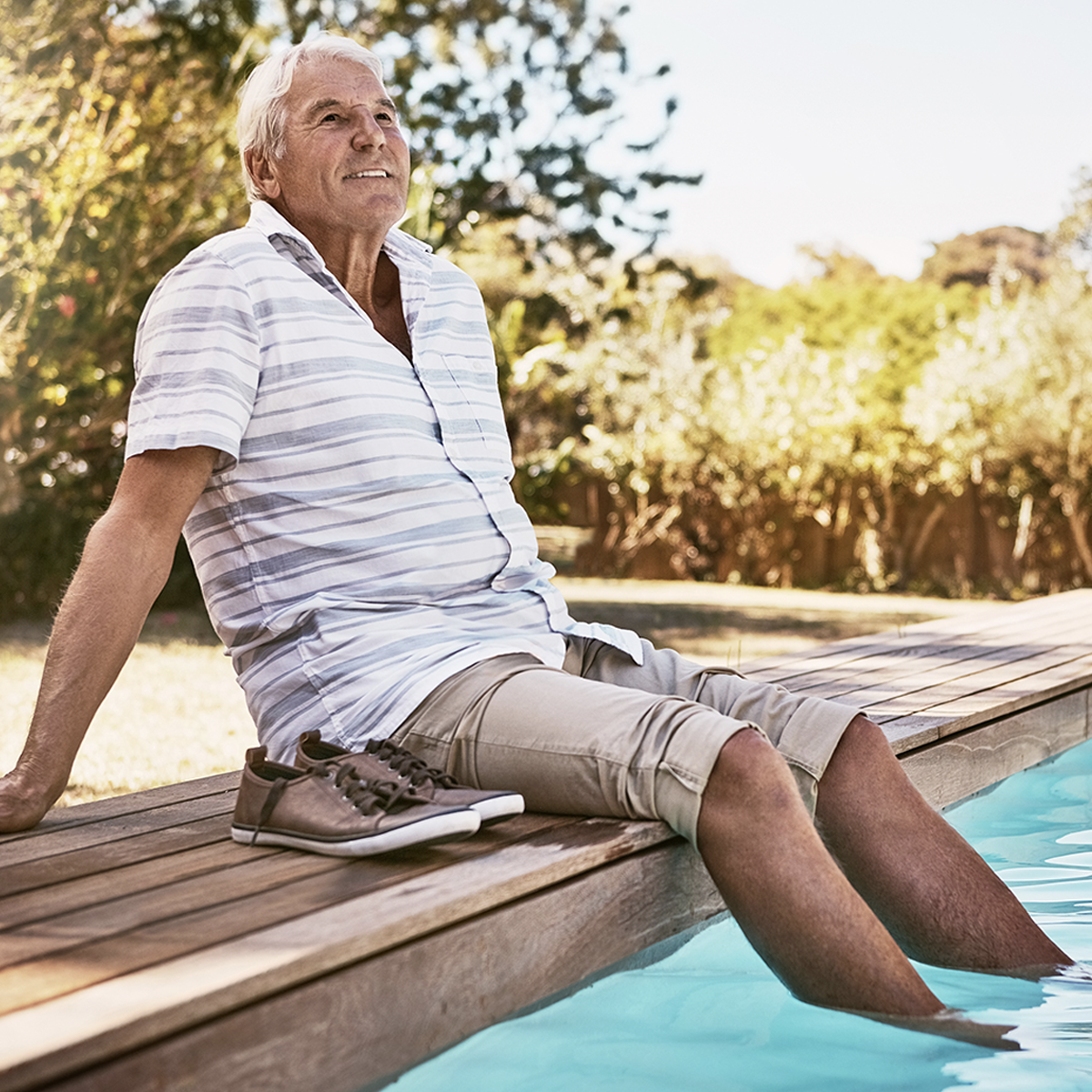
Summer is a wonderful time of year. Like many people, you will likely find yourself outside enjoying the sun more frequently than in the winter months. However, for older adults, heat can be harder on the body. It’s important to know the signs and symptoms of overheating and how to stay safe as temperatures rise.
This guide covers what makes summer heat more challenging as we age, how to stay cool and hydrated, and what signs to pay attention to so you can address them early.
Why Summer Safety Matters for Seniors
Heat affects everyone, but it tends to affect older adults more than younger people. As we age, the body becomes less reliable at cooling itself down. Sweating, which is one of the body’s main ways of keeping cool, may not happen as easily. Circulation can slow, and many medications commonly prescribed for older adults can also affect how the body responds to heat.
The Centers for Disease Control and Prevention (CDC) notes that people aged 65 and older are among those most prone to heat-related health problems, which is simply a reason to be a little more thoughtful on hot days rather than a reason to worry.
Paying a little more attention to how your body feels during hot weather and taking a few simple steps to stay ahead of the heat makes a real difference.
Common Summer Health Risks for Older Adults
When your body gets too warm and can’t cool itself down fast enough, you might start to experience symptoms of overheating. These symptoms can include:
- Muscle cramps
- Mild dizziness
- Feeling weak
- Nausea
- Fatigue
If you’re experiencing any of these symptoms, move indoors or somewhere cool, drink water, and rest. This is typically all it takes to cool down and feel better. If these recovery steps aren’t working, or you are experiencing more severe symptoms, this might be a sign of heat exhaustion or heat stroke. Be honest with yourself and don’t ignore your symptoms, as they may require medical attention.
Summer Heat Safety Tips for Seniors
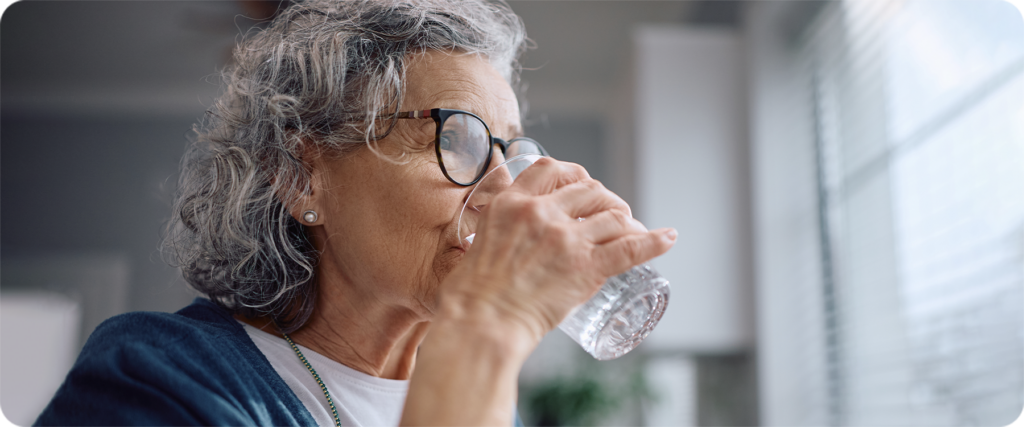
The CDC recommends staying in an air-conditioned indoor location as much as possible on very hot days, drinking plenty of fluids even if you do not feel thirsty, scheduling outdoor activities carefully, and wearing loose, lightweight, light-colored clothing.
Here’s how to incorporate these tips in your daily life:
Plan outdoor time around the temperature. The hottest part of the day is typically between 10 a.m. and 4 p.m. Early morning or evening is a much more comfortable window for walks, gardening, or time on the porch.
Keep your home cool. Close blinds and curtains during the day to block out direct sun. If your home does not have air conditioning and temperatures are climbing, your local senior center, library, or shopping mall can all serve as a comfortable spot to spend the hottest hours.
Dress for the heat. Lightweight, loose-fitting, light-colored clothing in breathable fabrics like cotton lets your body stay cooler. Darker colors absorb more sun.
Limit heat-producing appliances during the day. Holding off on using the oven or dryer until the evening can help keep your home from warming up during the hottest hours.
Stay in touch with someone you trust. Let a family member, friend, or neighbor know how you are doing on particularly hot days. A quick phone call or check-in goes both ways and makes everyone feel better.
How seniors can stay cool in hot weather
Beyond the basics, a few simple habits can help bring your body temperature down on the hottest days.
Cool showers or baths offer quick relief when you are feeling the heat. A damp washcloth on the back of the neck or wrists works well in a pinch too.
Keep meals light. Your body generates some of its own heat during digestion, especially with larger, heavier meals. Lighter foods like salads, fruit, and cool proteins feel easier during a heat wave.
Use fans alongside other cooling methods. Fans help move air around, which can feel refreshing, but they work best when paired with other strategies like cool showers or time in air-conditioned spaces.
Hydration Tips for Seniors During Summer
Did you know that thirst becomes a less reliable signal as we age? By the time you feel thirsty, your body may already need more fluids than you realize.
The National Institute on Aging recommends drinking plenty of liquids throughout the day, such as water, fruit or vegetable juices, or drinks with electrolytes, while limiting alcohol and caffeinated beverages, which can work against hydration.
A few habits that make it easier to stay on top of fluids:
- Keep a glass of water somewhere visible as a gentle reminder to sip throughout the day.
- Try flavored water or herbal iced tea if plain water feels unappealing.
- Eat water-rich foods like watermelon, cucumber, and strawberries.
- If you take medications that affect how your body handles fluids, ask your doctor what amount of water makes sense for you during hot weather.
Outdoor Safety Tips for Seniors and Caregivers
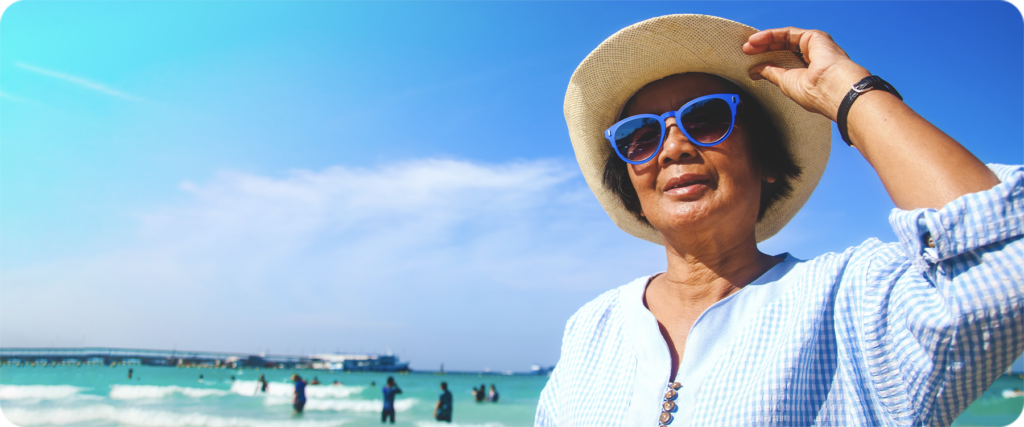
The long days of summer bring more opportunities to get outside, and a few easy precautions can help you stay outside and active for longer.
Wear sunscreen. Apply SPF 30 or higher before heading out and reapply every two hours, or more often if you are active.
Wear a hat. A wide-brimmed hat shades your face, neck, and shoulders, which reduces how much sun your body absorbs directly.
Bring water with you. Carry a water bottle whenever you plan to be outside for more than a few minutes, especially if you will not have easy access to a store or fountain.
Seek out shade. Plan outdoor time around shaded areas and know where you can sit out of the sun if you need a rest.
Let someone know your plans. A quick word to a family member or neighbor before a longer outing is simply a good summer habit.
Signs of Heat Exhaustion and Heat Stroke
Heat exhaustion and heat stroke can come on quickly for seniors, so it’s important to recognize the signs and symptoms so you can get help and recover.
Signs that your body may be overheating include:
- Heavy sweating
- Cool, pale, or clammy skin
- Feeling unusually weak or tired
- Dizziness or lightheadedness
- Nausea or an upset stomach
- Headache
If you notice these warning signs, move to a cooler spot, apply a cool damp cloth, and drink water. Resting somewhere comfortable usually helps things improve. If you are not feeling better within a short while, or if symptoms are getting worse rather than better, contact your doctor or call for help.
Signs that need immediate medical attention include:
- A very high body temperature
- Hot, dry, or flushed skin
- Rapid pulse
- Confusion or difficulty thinking clearly
If someone shows these signs, call 911 right away and try to cool them down while you wait for help to arrive.
How Caregivers Can Help Seniors Stay Safe in Summer
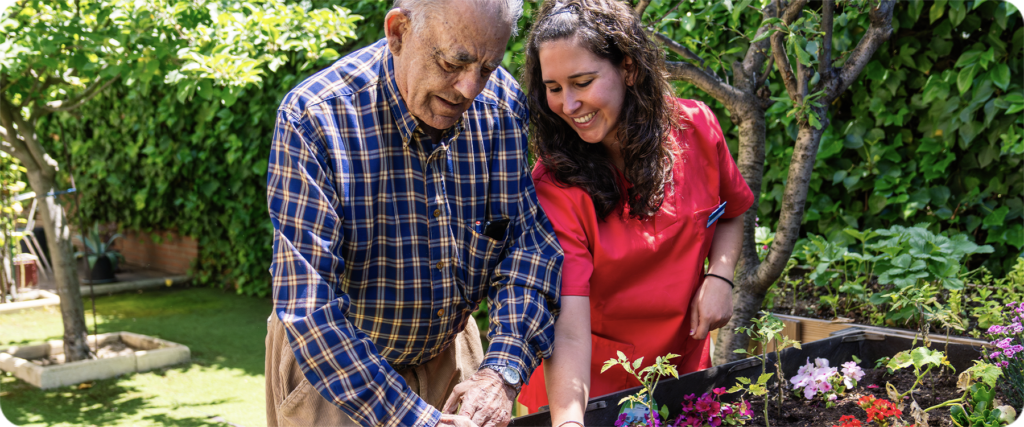
If you are supporting an older adult, warm weather is a good time to be a little more attentive. Here are the most practical things you can do:
Check in more often during stretches of heat. A brief phone call or visit can catch discomfort early. Ask how they are feeling, whether they have been drinking water, and whether their home feels comfortable.
Confirm the air conditioning is working before you need it. A unit that has not been serviced in a while may not cool as well as you expect. Getting that checked in spring is a lot easier than troubleshooting it on a hot afternoon in July.
Help them plan around the heat. Suggest morning walks instead of afternoon ones. Offer to pick up groceries so they can avoid being out during the hottest part of the day.
Keep the refrigerator stocked with easy, hydrating options. Water, juice, fresh fruit, and light snacks make it easier for seniors to stay hydrated throughout the day without much effort.
Be aware of their medications. Some medications can affect the body’s ability to stay cool in hot weather. Knowing which ones your loved one takes helps you understand whether they may need a little extra attention on very hot days. When in doubt, a conversation with their doctor is always a reasonable step.
Frequently Asked Questions
What are the most important summer safety tips for seniors?
Staying hydrated, timing outdoor activities to avoid the peak heat of the day, keeping your home cool, and dressing in light, breathable clothing are the foundations of summer heat safety for seniors. Knowing the early signs that your body is getting too warm helps you take action before things become more uncomfortable.
How can seniors stay cool during hot weather?
Cool showers, a damp washcloth on the wrists and neck, light clothing, and time in air-conditioned spaces all help. Closing blinds during the day and keeping meals light also make a difference. If your home gets very warm, your local library, senior center, or shopping mall can be a comfortable place to spend the midday hours.
What are the signs of heat exhaustion in seniors?
Watch for heavy sweating, pale or clammy skin, dizziness, unusual tiredness, headache, and nausea. These are signals that your body needs help cooling down. Move to a cool place, rest, apply cool damp cloths, and drink water. If you are not feeling better within a reasonable amount of time, reach out for medical help.
How can caregivers help seniors stay safe in summer?
Checking in more frequently during hot weather, confirming their home is staying cool, helping with errands during the hottest parts of the day, and knowing which medications they take that might affect heat tolerance are all meaningful steps. A brief phone call or visit during a stretch of heat can make a real difference for a senior living on their own.